Iran Denies Talks with US to Extend Interim Ceasefire Deal
Tehran Rejects Reports of US Ceasefire Extension Discussions
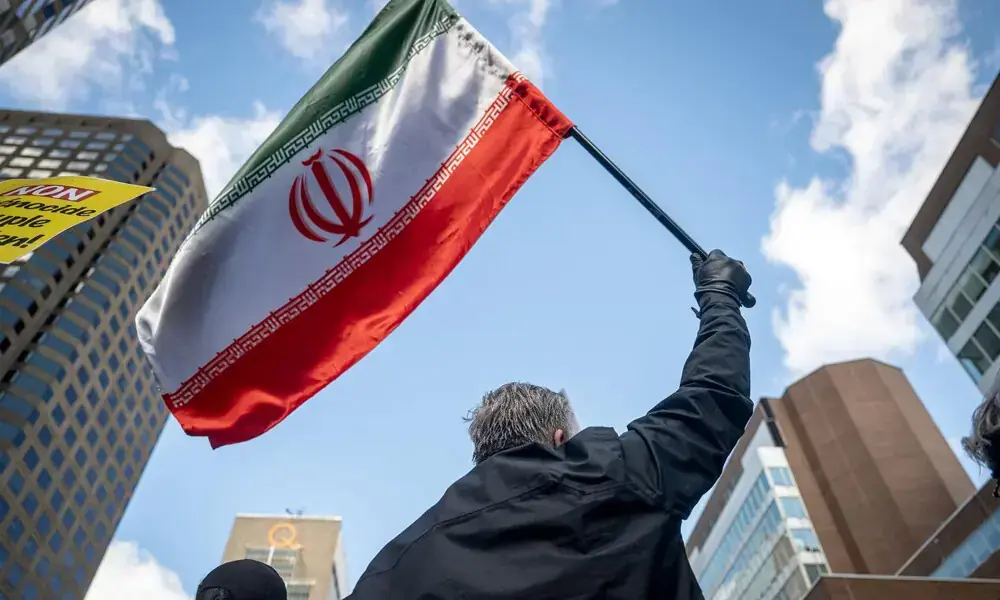
CEASEFIRE TALKS DENIED
Illustration concept: A diplomatic press room backdrop featuring stylized, side-by-side silhouette outlines of Washington D.C. and Tehran landmarks under dark, dramatic lighting.
AI summary
Tehran has dismissed reports claiming it is negotiating a ceasefire extension with Washington, asserting that the original pact never legally went into effect. The denial contradicts earlier media reports suggesting Pakistan had successfully brokered an extension to the June interim agreement.
Why this matters
The denial highlights the deep volatility and fragility of diplomatic attempts to ease tensions between the United States and Iran. With both nations disputing whether a truce ever officially began, regional stability remains highly precarious, complicated by third-party mediation efforts.
Key takeaways
- A senior Iranian official denied engaging in talks with the US to extend a ceasefire.
- Iran maintains the June interim deal was violated by the US within 48 hours and never truly took effect.
- Reports from Turkish media citing Pakistani sources had previously claimed an extension was agreed upon.
- The June pact called for a permanent end to military actions, but US President Trump pronounced it over on July 7.
Tehran has rejected claims that it is in discussions with Washington to prolong an interim ceasefire, maintaining that the original agreement never officially commenced. The clarification came in response to regional reports claiming both powers had agreed to extend a temporary pause in conflict.
A senior Iranian official informed Reuters on Wednesday that Tehran sees no baseline for extending any deal. The source noted that from Iran's perspective, there was no starting date for the arrangement and therefore no period that could be extended.
The official's statements directly addressed earlier reports from Turkey's Anadolu news agency, which cited Pakistani government sources asserting that Washington and Tehran had agreed to prolong a 60-day ceasefire following diplomatic intervention by Pakistan.
The original interim agreement signed in June called for an immediate and permanent halt to military operations across all fronts. However, the truce unraveled almost immediately. US President Donald Trump stated on July 7 that the agreement was over, and Iran's foreign ministry formally declared the deal suspended a week afterwards.
Iranian officials maintain that the United States violated the terms of the accord within 48 hours of its execution before abandoning it completely a few days later, leaving current diplomatic channels effectively stalled.
Frequently asked questions
- Did the US and Iran agree to extend their ceasefire?
- No, a senior Iranian official denied any discussions regarding an extension, stating the original agreement never officially began.
- What did earlier reports claim about the US-Iran deal?
- Turkish news agency Anadolu, citing Pakistani sources, reported that both nations had agreed to extend a 60-day ceasefire under their June interim agreement.
- When did the original interim deal collapse?
- US President Donald Trump stated the deal was over on July 7, and Iran's foreign ministry declared it suspended one week later.
Source & transparency
- By:
- The Reviser Desk
- Source:
- Business Recorder
- Original publication:
- Aug 12, 2026, 12:49 PM
- The Reviser publication:
- Aug 12, 2026, 12:49 PM
- Updated:
- Aug 12, 2026, 1:00 PM
This report was independently written by The Reviser editorial desk from verified source material. It is not original on-the-ground reporting by The Reviser.
Related stories
US IRAN CEASEFIRE EXTENDED
US and Iran Extend Ceasefire via Pakistani Mediation
AI summaryThe United States and Iran have reportedly agreed to prolong their ceasefire agreement prior to the end of a 60-day timeframe established under the Islamabad Memorandum of Understanding. The diplomatic breakthrough follows intense mediation efforts by Islamabad, including direct messaging from Pakistan's civilian and military leadership to Tehran.

LUXON WINS CONFIDENCE VOTE
NZ Prime Minister Christopher Luxon Wins Party Confidence Vote
AI summaryNew Zealand Prime Minister Christopher Luxon has survived a second internal vote of confidence from his party. The leadership test arrives just 12 weeks before the country's upcoming general election.

TRUMP PLANE SWAP EXPLAINED
Trump Plane Swap Highlights Tensions With Iran, Reports BBC
AI summaryDonald Trump's recent aircraft swap underscores the ongoing tension surrounding his complex history with Iran. According to analysis by BBC World journalist Anthony Zurcher, the move reflects deep personal and political stakes in relations with Tehran.
CHARGES DROPPED IN SYDNEY
Sydney Police Drop Assault Charges Against Ahmed al Ahmed
AI summaryAustralian authorities have withdrawn assault charges previously filed against Ahmed al Ahmed following an alleged family dispute in Sydney. The decision resolves legal proceedings that began in June after an incident involving his father.