Thai Baht Strengthens Against US Dollar in Early Trading
Thai Baht Gains Ground Against US Dollar at Start of Week
THAI BAHT RISES VS DOLLAR
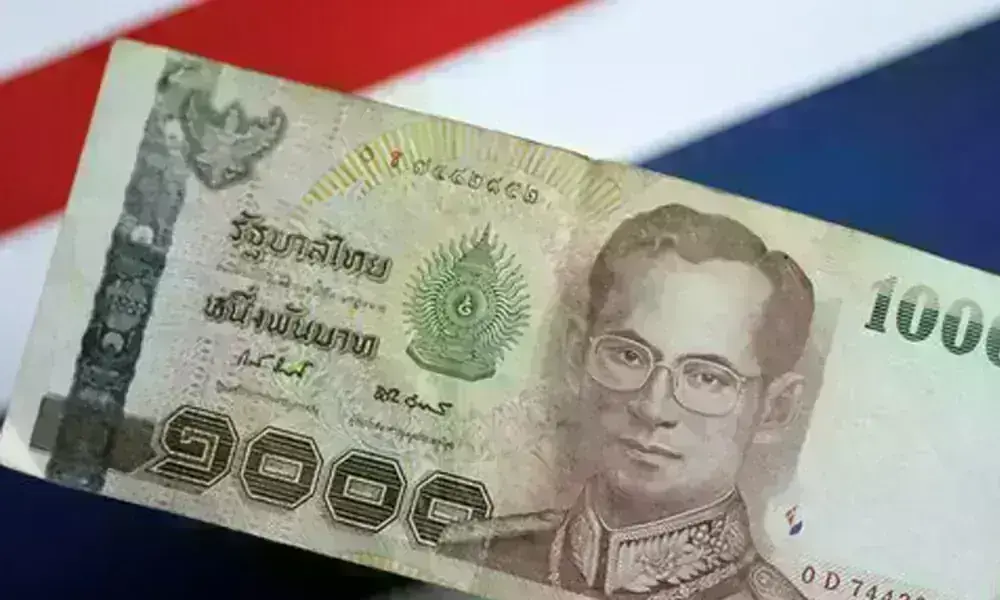
Illustration concept: A close-up photograph of modern Thai baht banknotes placed alongside US dollar bills on a polished wooden desk with financial stock charts displayed softly in the background blur.
AI summary
The Thai baht appreciated slightly against the US dollar on Monday morning, hovering near 32.99 per dollar. Financial market data showed the currency trading in a narrow range after closing at 33.03 in the previous session.
Why this matters
Fluctuations in the Thai baht's exchange rate against the greenback reflect shifting market dynamics in Southeast Asian currency markets. Importers, exporters, and foreign investors closely monitor these movements for indications of regional economic momentum and currency stability.
Key takeaways
- The Thai baht strengthened by 0.12% against the US dollar early Monday.
- The currency traded in a tight band between 32.990 and 33.030 per dollar.
- LSEG market data recorded the previous session's close at 33.03 per dollar.
Asian currency markets opened the week with the Thai baht gaining ground against the US dollar during early Monday trading. Data tracked by LSEG indicates that the currency edged higher as trading commenced in Asia.
By 0156 GMT, the baht stood at 32.99 per dollar, reflecting a 0.12% increase compared to its previous close. Early morning trading saw the exchange rate fluctuate between a high of 32.990 and a low of 33.030 against the greenback.
The modest uptick follows the prior session's close of 33.03 per dollar, according to market reports from Business Recorder. The slight strengthening highlights ongoing adjustments across foreign exchange markets as traders react to shifts in dollar valuation.
Frequently asked questions
- What was the exchange rate of the Thai baht against the US dollar on Monday?
- At 0156 GMT on Monday, the Thai baht was trading at 32.99 against the US dollar, representing a 0.12% increase.
- What range did the Thai baht trade in during early Monday hours?
- According to financial market data, the baht traded between 32.990 and 33.030 against the US dollar.
- Where did the Thai baht close in the previous trading session?
- Data from LSEG showed that the currency ended the prior session at 33.03 per US dollar.
Source & transparency
- By:
- The Reviser Desk
- Source:
- Business Recorder
- Original publication:
- Aug 10, 2026, 6:40 AM
- The Reviser publication:
- Aug 10, 2026, 6:40 AM
- Updated:
- Aug 10, 2026, 7:02 AM
This report was independently written by The Reviser editorial desk from verified source material. It is not original on-the-ground reporting by The Reviser.
Related stories
DOLLAR NEAR TWO MONTH LOW
US Dollar Struggles Near Two-Month Low Ahead of Inflation Data
AI summaryThe US dollar remained near a two-month trough against major currencies following weak employment data that reduced expectations for a September Federal Reserve interest rate hike. Investors are now turning their focus to upcoming US inflation reports to gauge the central bank's next monetary policy moves.

IRON ORE STRIKE VS CHINA
Iron Ore Prices Hold Flat Amid BHP Strike and Weak China Data
AI summaryIron ore trading remained largely rangebound on Monday as market participants weighed competing factors in supply and demand. Supply disruptions caused by a historic worker strike at BHP's Port Hedland in Western Australia were countered by softer-than-expected producer price inflation figures out of China.

PALM OIL FUTURES RISE
Malaysian Palm Oil Futures Advance on Stronger Overseas Oils
AI summaryMalaysian palm oil futures drifted upward on Monday morning, supported by gains in competing vegetable oil markets in Chicago and Dalian. Investors remained cautious ahead of official monthly supply and demand figures from the Malaysian Palm Oil Board.
INDIAN BONDS EYE INFLATION DATA
Indian Bond Market Awaits Local and US Inflation Data
AI summaryIndian sovereign bonds are expected to start the week on a firm note ahead of crucial inflation releases from both India and the United States. Softening US Treasury yields following weak non-farm payroll data have fueled expectations of easier global monetary policy.