Strait of Hormuz Shipping Halts After New Maritime Attacks
Hormuz Transit Collapses Following Attacks on UAE Oil Tankers
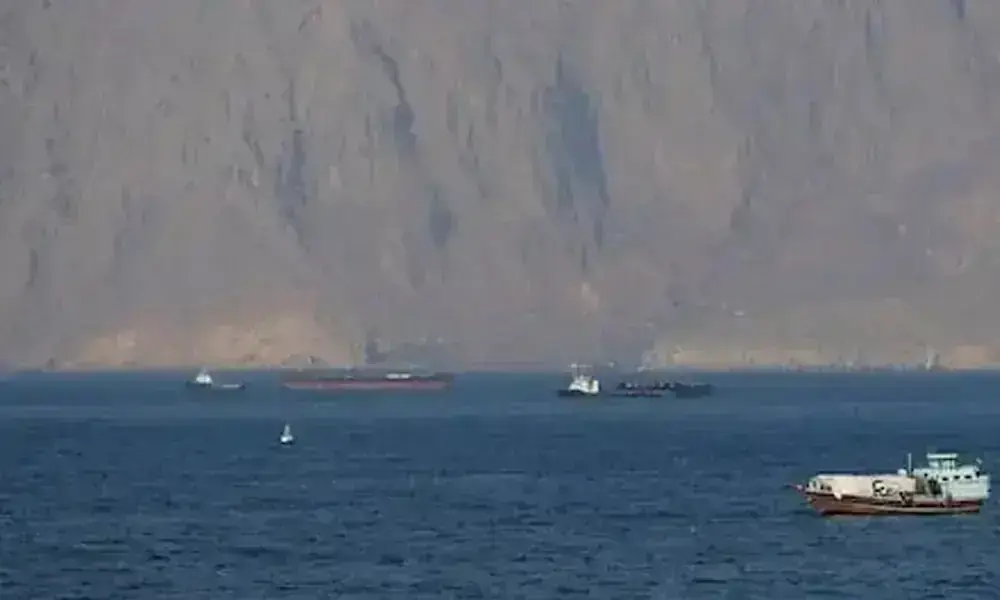
HORMUZ SHIPPING AT STANDSTILL
Illustration concept: A dramatic wide-angle photo of an oil tanker navigating a narrow strait at sunset, with naval patrol vessels visible in the distance under a tense sky.
AI summary
Maritime transit through the Strait of Hormuz has come to a near-halt after two state-owned Emirati oil vessels were attacked in the critical shipping lane. The incidents follow a breakdown in ceasefire negotiations between Washington and Tehran, raising fresh concerns over global energy supply routes.
Why this matters
The Strait of Hormuz is a vital maritime choke point responsible for carrying a major portion of the world's daily petroleum supply. Continued instability and vessel strikes risk driving up global energy prices and severely disrupting international trade routes. The escalation also underscores the fragile security environment in the Gulf following the collapse of peace negotiations.
Key takeaways
- Two Abu Dhabi National Oil Company vessels were attacked in the Strait of Hormuz on Thursday evening.
- The UAE blamed Iran for the strikes, while Iranian officials did not immediately issue a response.
- Commercial vessel movement through the strategic waterway has dropped well below typical August averages.
- The United States warned it may maintain a naval blockade against Iran indefinitely as conflict talks stalled.
Maritime movement through the Strait of Hormuz has slowed drastically after fresh security incidents and escalating rhetoric between Washington and Tehran disrupted key shipping lanes in the Gulf.
According to reports published by Business Recorder, two commercial vessels belonging to the state-owned Abu Dhabi National Oil Company were targeted while navigating the strait on Thursday evening. The United Arab Emirates official news agency, WAM, stated that government authorities blamed Iran for the strikes, though Iranian officials offered no immediate response to the allegations.
The latest offensive follows the breakdown of a ceasefire established earlier in June. A senior Iranian official noted on Wednesday that international discussions aimed at securing a lasting resolution to the conflict had failed to yield progress. Consequently, Iranian forces resumed targeting ships accused of navigating the strategic corridor without local authorization.
In response to the volatile maritime security conditions, the United States signaled it could sustain a long-term naval blockade of Iran while intensifying economic sanctions. Although transit figures temporarily rose to nine vessels on Thursday—up from five the previous day—overall traffic through the narrow waterway remains significantly below its historic August averages.
Frequently asked questions
- What triggered the latest shipping slowdown in the Strait of Hormuz?
- The sudden drop in traffic followed drone or missile attacks on two Emirati oil tankers and heightened military tensions between Iran and the United States.
- Who was targeted in the recent maritime strikes?
- Two commercial ships operated by the Abu Dhabi National Oil Company (ADNOC) were attacked while transiting the waterway on Thursday evening.
- What is the status of peace talks between Iran and the US?
- Diplomatic negotiations aimed at extending a June ceasefire agreement have stalled, leading to a resumption of hostility in the region.
Source & transparency
- By:
- The Reviser Desk
- Source:
- Business Recorder
- Original publication:
- Aug 14, 2026, 11:08 AM
- The Reviser publication:
- Aug 14, 2026, 11:08 AM
- Updated:
- Aug 14, 2026, 11:16 AM
This report was independently written by The Reviser editorial desk from verified source material. It is not original on-the-ground reporting by The Reviser.
Related stories

US BORROWING COSTS SPIKE
US 30-Year Bond Yields Hit Highest Level Since 2001
AI summaryYields on U.S. 30-year Treasury bonds have climbed to their highest levels since 2001 following a recent debt sale. The escalation in borrowing costs recently pushed Washington to coordinate with Tokyo on currency intervention to stop Japan from liquidating Treasury holdings.

PALM OIL STAYS STABLE
Malaysian Palm Oil Flat as Supply Rise Offsets El Niño Risk
AI summaryMalaysian palm oil futures held largely steady during Friday trading, balancing pressure from growing domestic stockpiles against concerns over El Niño weather disruptions and firmer crude oil markets. The benchmark October contract gained 0.06% by midday, placing it on track for a second straight weekly increase.

THAI BAHT SLIPS LOWER
Thai Baht Drops to 33.20 Against US Dollar in Early Trading
AI summaryThailand's currency depreciated by 0.17% against the US dollar in early Friday trading, touching 33.20 per dollar. The decline follows the previous session's close of 33.1425, with early market activity hovering between 33.165 and 33.250.

OIL PARES LOSSES AFTER STRIKE
Oil Pares Losses Following Reported Attack on Saudi Aramco Plant
AI summaryGlobal oil benchmarks trimmed early losses on Thursday after reports indicated Yemen's Houthis targeted a Saudi Aramco facility in Jazan with drones. The news renewed supply disruption concerns in a tight market, pulling Brent and West Texas Intermediate crude back from drops of over 3 percent.