SDPI Debate Calls for Cultural Shift to Fix Governance
Experts at SDPI Debate Highlight Need for Cultural Shift to Overhaul Governance
FIXING PAKISTAN'S GOVERNANCE GAP
Illustration concept: A modern conference setting in Islamabad featuring policy experts engaged in a serious discussion about public administration reform, wide shot, realistic lighting
AI summary
A national debate hosted by the Sustainable Development Policy Institute emphasized that shifting political culture and institutional mindset is essential for meaningful governance reform in Pakistan. Participants noted that administrative restructuring alone cannot fix public service delivery without deeper behavioral change and fiscal sustainability.
Why this matters
Pakistan's public sector frequently undergoes administrative reorganization, yet service delivery often remains inefficient. By focusing on institutional mindset and political culture rather than simple bureaucratic shuffling, policy experts are outlining systemic changes necessary to ensure government institutions better serve citizens.
Key takeaways
- Institutional behavior and political culture must change to achieve effective governance in Pakistan.
- Administrative restructuring alone cannot overcome service delivery failures without behavioral shifts.
- SDPI debate participants analyzed proposals ranging from creating new provinces to empowering current tiers.
- Future reforms must balance constitutional requirements, fiscal capacity, public demand, and local administrative needs.
Meaningful reform in Pakistan's public administration requires a fundamental shift in political culture and institutional behavior rather than superficial structural changes, policy experts concluded during a national discussion in Islamabad.
The debate, organized by the Sustainable Development Policy Institute (SDPI), focused on evaluating practical frameworks to enhance governance and elevate public service delivery nationwide. Speakers cautioned that administrative reorganizations routinely fail to resolve governance shortfalls when the underlying political mindsets remain unaddressed.
During the session, participants debated the ideal scale and hierarchy for effective administration. Some speakers recommended establishing smaller administrative units or creating new provinces, while others advocated for granting greater authority to existing governance tiers. A majority suggested assessing these approaches concurrently rather than viewing them as conflicting choices.
According to coverage by Business Recorder, participants also underscored the necessity of robust administrative and political devolution. Experts agreed that any future governance reforms must be carefully measured against fiscal sustainability, public demand, constitutional provisions, administrative capacity, and direct improvements to service delivery.
Frequently asked questions
- Who organized the national debate on Pakistani governance?
- The discussion was hosted by the Sustainable Development Policy Institute (SDPI) in Islamabad.
- What was the core message from the SDPI discussion?
- Participants stressed that altering political culture and institutional behavior is far more vital for improving governance than simple administrative restructuring.
- What criteria were recommended for planning governance reforms?
- Experts emphasized assessing reforms through constitutional mandates, public expectations, fiscal sustainability, administrative readiness, and impact on service delivery.
Source & transparency
- By:
- The Reviser Desk
- Source:
- Business Recorder
- Original publication:
- Aug 14, 2026, 2:38 AM
- The Reviser publication:
- Aug 14, 2026, 2:38 AM
- Updated:
- Aug 14, 2026, 3:02 AM
This report was independently written by The Reviser editorial desk from verified source material. It is not original on-the-ground reporting by The Reviser.
Related stories
NEW PROVINCES DEBATE PAKISTAN
Pakistani Leaders Push for New Provinces and Devolution
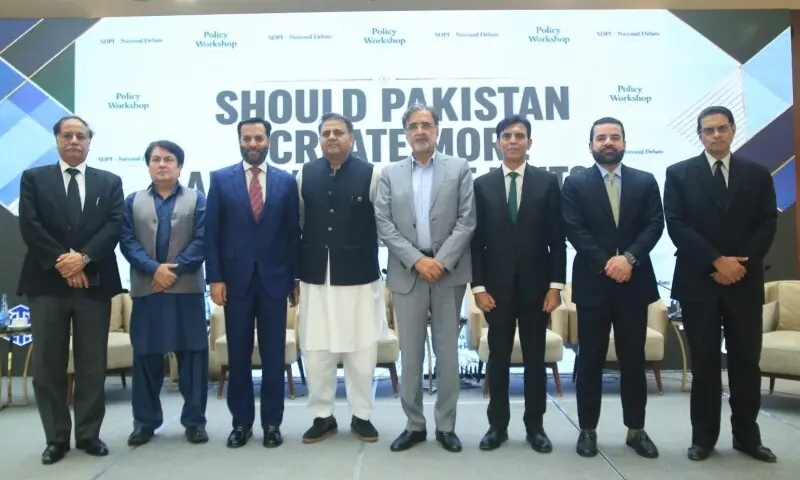
AI summaryPolitical leaders, technocrats, and civil society representatives gathered in Islamabad to advocate for establishing new provinces and strengthening local governance across Pakistan. Organized by the Sustainable Development Policy Institute, the cross-party discussion highlighted fiscal devolution and administrative restructuring as crucial steps to improve public service delivery.
21,000 HAJJ SLOTS SHORTFALL
Pakistan to Adjust 21,000 Shortfall Hajj Quota Slots Next Year
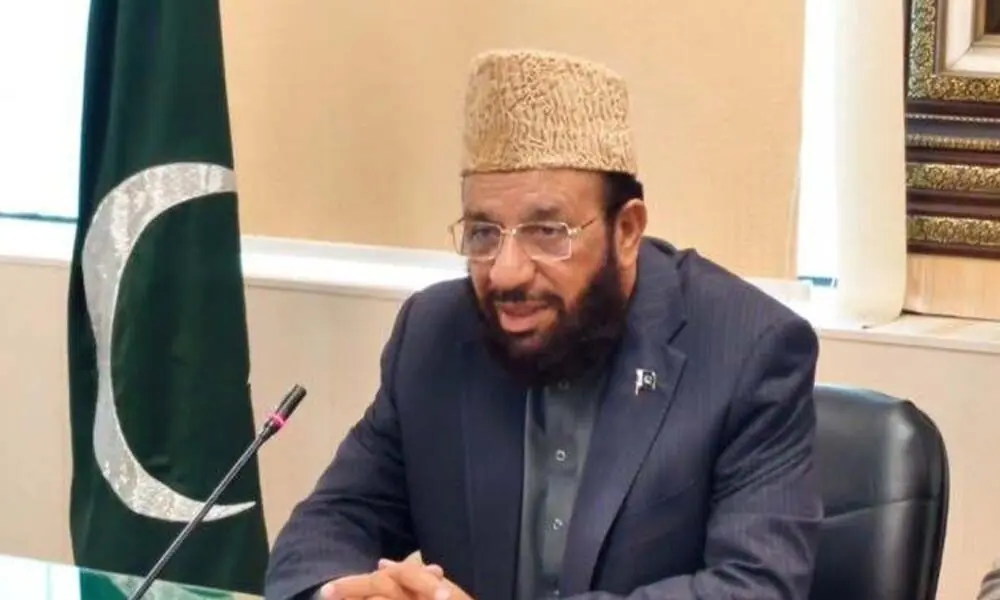
AI summaryThe Ministry for Religious Affairs and Interfaith Harmony informed a Senate panel that over 21,000 Hajj quota slots experienced a shortfall for the 2026 season. Officials assured lawmakers that the deficit will be adjusted next year while an expert committee awaits prime ministerial approval to review overall management.

PAK-INDIA PEACE & SAARC REVIVAL
SAFMA and PREM Call for Pakistan-India Talks and SAARC Revival
AI summaryA joint seminar in Lahore hosted by SAFMA and PREM called on Pakistan and India to re-engage in diplomatic dialogue amid evolving global power shifts. SAFMA Secretary General Imtiaz Alam also emphasized the urgent need to reactivate the SAARC bloc to secure regional stability and economic growth.
DEFENDING PAKISTAN'S WATER RIGHTS
Shehbaz Sharif Vows to Defend Water Rights on Independence Day
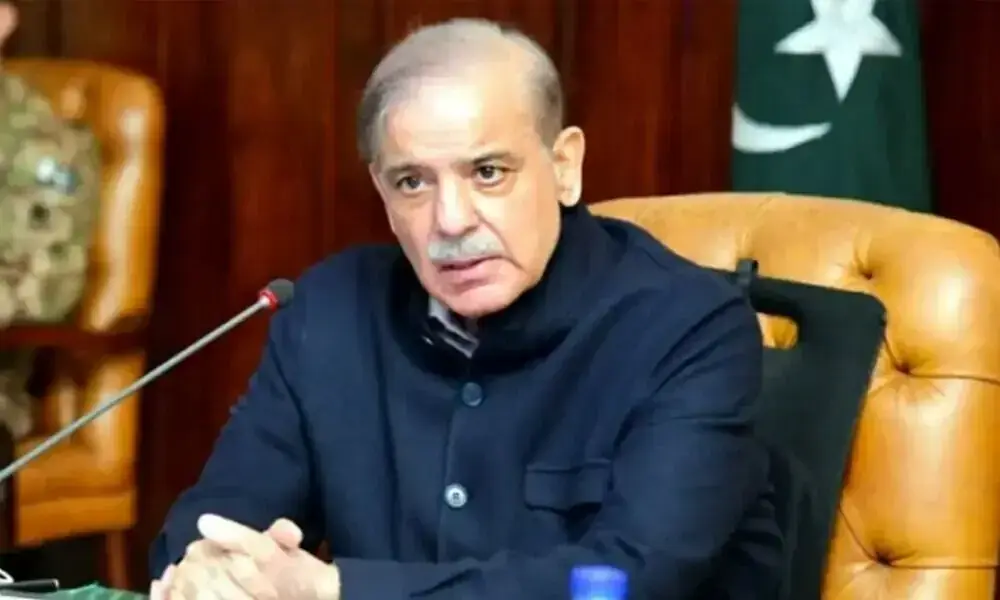
AI summaryPrime Minister Shehbaz Sharif reaffirmed Pakistan's determination to safeguard its national sovereignty and fundamental water rights during his address on the eve of the nation's 79th Independence Day. The prime minister also paid homage to the country's founding leaders and praised the military for its bravery and commitment during Marka-e-Haq.