Romania Nuclear Plant Halts Production Over Low Danube River
Heatwave Forces Shutdown of Romania's Only Nuclear Power Station
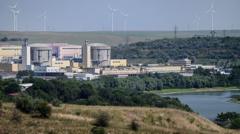
ROMANIA NUCLEAR PLANT SHUTDOWN
Illustration concept: Wide shot of a nuclear power station situated along a shallow, drying riverbank under a harsh, sunlit summer sky, high detail realistic photography.
AI summary
Severe heatwaves have forced Romania to temporarily close the Cernavodă nuclear power facility due to plummeting water levels in the Danube River. The plant, which supplies one-fifth of the nation's electricity, is anticipated to remain offline for at least 10 days.
Why this matters
The emergency shutdown highlights the growing vulnerability of European energy infrastructure to climate-induced weather extremes. Because Cernavodă supplies a fifth of Romania's power grid, prolonged disruption could force reliance on fossil fuel alternatives or electricity imports during peak summer demand.
Key takeaways
- Romania has suspended operations at its Cernavodă nuclear plant due to low water levels in the Danube River.
- The facility accounts for approximately 20 percent of Romania's overall electricity output.
- Officials do not expect the power plant to restart within the next 10 days.
- Extreme temperatures and diminished river cooling flows prompted the safety procedure.
A severe heatwave has forced Romania to completely suspend operations at its sole nuclear power installation, raising immediate concerns over regional energy stability. Extreme summer temperatures have caused water levels in the Danube River to drop drastically, restricting the critical coolant flow required to run the station safely.
According to reports from BBC Science, the Cernavodă nuclear facility is not expected to resume operations for at least 10 days while hydrological conditions remain compromised. The prolonged pause leaves grid managers working to balance alternative power sources against high summer cooling demand.
The installation plays a pivotal role in the nation’s power matrix, generating roughly 20 percent of Romania's total electricity output. Operating nuclear reactors relies on consistent water intake from neighboring natural bodies like the Danube to manage thermal output and ensure routine system safety.
As intense heat continues across Southeastern Europe, receding river levels are increasingly posing risks to heavy industrial and utility operations. Authorities will continue monitoring river conditions to determine when water volumes recover sufficiently to permit a safe system restart.
Frequently asked questions
- Why was the Cernavodă nuclear plant shut down?
- High temperatures caused water levels in the Danube River to drop significantly, reducing the water supply needed to safely cool the station's reactors.
- How much electricity does Cernavodă provide to Romania?
- The plant generates approximately 20 percent of Romania's total national electricity supply.
- When is the Cernavodă plant expected to reopen?
- Reports indicate that the nuclear facility is expected to remain offline for at least 10 days until river levels stabilize.
Source & transparency
- By:
- The Reviser Desk
- Source:
- BBC Science
- Original publication:
- Aug 13, 2026, 4:05 PM
- The Reviser publication:
- Aug 13, 2026, 4:05 PM
- Updated:
- Aug 13, 2026, 4:23 PM
This report was independently written by The Reviser editorial desk from verified source material. It is not original on-the-ground reporting by The Reviser.
Related stories
NUCLEAR PLANT SHUT DOWN
Romania Shuts Down Sole Nuclear Plant as Danube Levels Drop
AI summaryReduced water flow along the Danube River has forced the complete shutdown of Romania's only nuclear power plant. Authorities attempted to avoid a total halt at the facility, which ordinarily supplies roughly 20 percent of the nation's electricity.

38C EXTREME HEAT ALERT
UK Heatwave: Temperatures to Reach 38C Amid Amber Warning
AI summaryAccording to BBC Science, an amber extreme heat warning is currently active as temperatures are forecast to surge to 38C on Thursday. The incoming heat spike is expected to challenge established weather records across impacted regions.

KILKEEL RIVER POLLUTION IMPACT
Pollution Impacts 5km Stretch of Kilkeel River in Mournes
AI summaryAn environmental contamination event has affected a five-kilometre stretch of the Kilkeel River in the Mournes area. Officials from the Department of Environment confirmed the scale of the incident, which resulted in extensive destruction of local fish populations.

OHIO STORMS TURN FATAL
Severe Storms Hit Ohio Leaving One Dead and Flooding Roads
AI summarySevere weather in Ohio has caused extreme flooding, flipped a vehicle, and resulted in at least one reported death. Authorities are advising residents to prepare for another round of heavy storms expected in the coming days.