Pakistan Partners Gulf Nations for Strategic Oil Storage Plan
Pakistan Teams Up With Saudi Arabia, Kuwait, and Qatar for Oil Storage

PAKISTAN GULF OIL STORAGE PLAN
Illustration concept: An editorial photography style image showing massive industrial oil storage tanks along a coastline at dusk, with subtle flags of Pakistan and Gulf nations in the background, sharp focus, cinematic lighting.
AI summary
Pakistan is developing a strategic oil storage initiative in partnership with Saudi Arabia, Kuwait, and Qatar to bolster national energy security. Under the proposed arrangement, Gulf states will build bonded storage facilities on Pakistani territory at their own expense while giving Islamabad emergency access to fuel reserves.
Why this matters
Pakistan currently operates without strategic petroleum reserves, leaving its economy highly vulnerable to international supply chain disruptions and geopolitical conflicts around the Strait of Hormuz. Securing guaranteed emergency access to crude and refined petroleum stored domestically significantly mitigates the risk of sudden fuel shortages during regional crises.
Key takeaways
- Pakistan is partnering with Saudi Arabia, Kuwait, and Qatar to set up a bonded oil storage scheme.
- Gulf nations will build and manage the facilities on secure Pakistani land at their own expense.
- The stored oil will be exported globally, but Pakistan retains first rights to purchase reserves during geopolitical crises.
- The scheme addresses Pakistan's lack of strategic petroleum reserves amidst supply risks around the Strait of Hormuz.
In a bid to safeguard its economy against global energy shocks, Pakistan is finalizing plans to establish a strategic oil storage arrangement with Saudi Arabia, Kuwait, and Qatar. Petroleum Minister Ali Pervaiz Malik unveiled the initiative during a press conference in Lahore, explaining that the project aims to address the country's severe vulnerability to international supply disruptions.
Under the proposed bonded storage framework, the three Gulf nations will construct and maintain fuel storage infrastructure within secure Pakistani territory entirely at their own expense. The participating countries will utilize these facilities as regional hubs to store crude oil and refined products, from which they can export energy supplies to global markets.
Crucially, the agreement grants Pakistan priority rights to draw from these reserves during emergencies. Minister Malik emphasized that if a regional conflict disrupts regular supply lines, Pakistan will have the contractual option to purchase stored oil directly to fulfill its domestic fuel requirements.
The announcement comes as Pakistan seeks to overcome a longstanding deficit in strategic petroleum reserves. Middle Eastern geopolitical friction, including tensions affecting maritime traffic through the Strait of Hormuz, has routinely exposed the South Asian nation to severe energy supply risks.
Efforts to expand domestic storage capacity for crude oil and refined products have been under discussion since early May. According to details shared during the press briefing, the commercial framework of the partnership is designed to offer foreign partners logistics flexibility while simultaneously enhancing Pakistan's strategic energy resilience.
Frequently asked questions
- Which countries are participating in Pakistan's oil storage initiative?
- Saudi Arabia, Kuwait, and Qatar are partnering with Pakistan on the bonded oil storage scheme.
- How will the oil storage project be funded?
- The participating Gulf nations will establish and maintain the storage infrastructure on Pakistani territory at their own cost.
- How does this scheme enhance Pakistan's energy security?
- Pakistan lacks strategic petroleum reserves. Under this arrangement, Pakistan secures contractual rights to purchase stored oil locally if external conflicts disrupt traditional energy supply routes.
Source & transparency
- By:
- The Reviser Desk
- Source:
- Dawn Business
- Original publication:
- Aug 9, 2026, 2:02 PM
- The Reviser publication:
- Aug 9, 2026, 2:02 PM
- Updated:
- Aug 9, 2026, 3:31 PM
This report was independently written by The Reviser editorial desk from verified source material. It is not original on-the-ground reporting by The Reviser.
Related stories
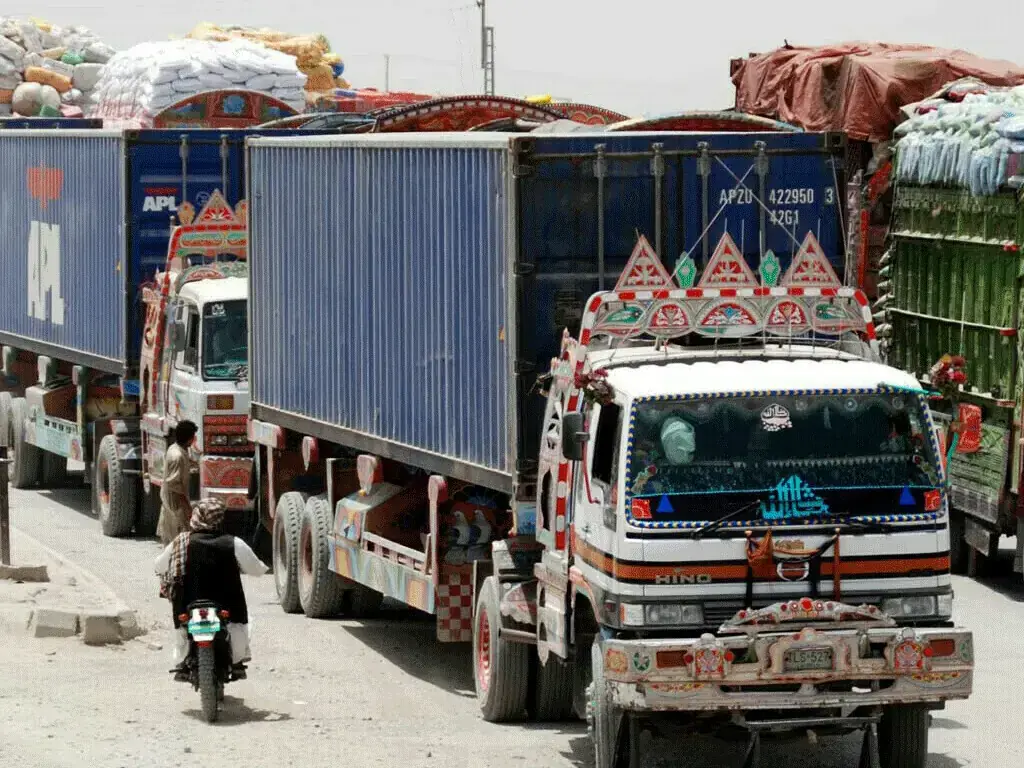
CARGO STRIKE HITS INDUSTRY
Transporters' Strike Threatens Pakistani Industry
AI summaryA nationwide strike by goods transporters has caused deep concern among Pakistani business leaders, who warn of widespread industrial disruptions. Industrialists caution that prolonged supply chain delays will paralyze factory operations and endanger critical export commitments.
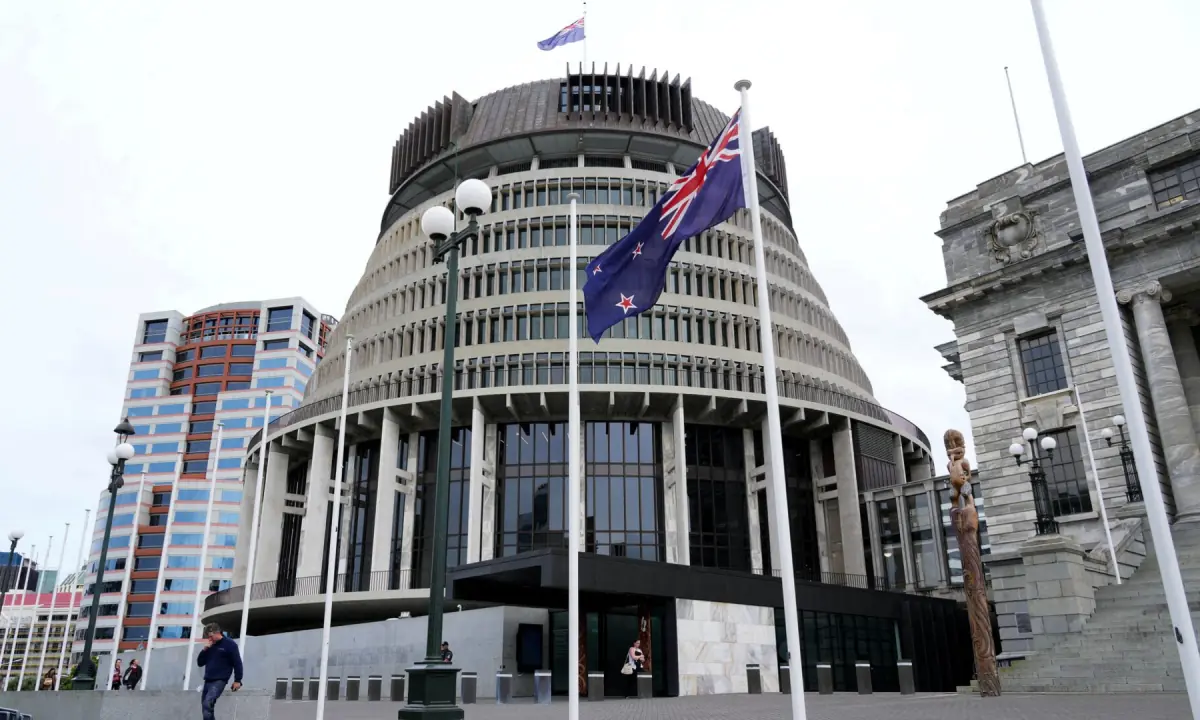
PAKISTAN NEW ZEALAND TRADE
Pakistan, New Zealand Seal Trade and Education Pact
AI summaryPakistan and New Zealand have agreed to deepen their economic footprint through enhanced partnerships in sustainable agriculture, education, and technology. Following high-level meetings in Wellington, both nations formalized a new academic framework while targeting broader commercial access.
ARAMCO FIRE EXTINGUISHED NO INJURIES
Saudi Aramco Jizan Plant Fire Extinguished Safely
AI summaryA fire that broke out early Sunday at a Saudi Aramco facility in Jizan has been fully extinguished. Saudi Arabia's Energy Ministry reported that no casualties or injuries resulted from the incident.

HBFCL SALE REBOOTED
KPMG Consortium to Guide HBFCL Privatisation Drive
AI summaryPakistan has initiated a fresh attempt to sell House Building Finance Company Limited (HBFCL) by engaging a KPMG-led consortium as financial advisers. The advisory group will conduct due diligence, value assets, and structure the transaction after a previous sale attempt fell through due to low bids.