Pakistan Cotton Crisis: PCCC Paralyzed by Staff Shortage
Bureaucratic Inertia and Staff Shortages Cripple Pakistan's Cotton Sector
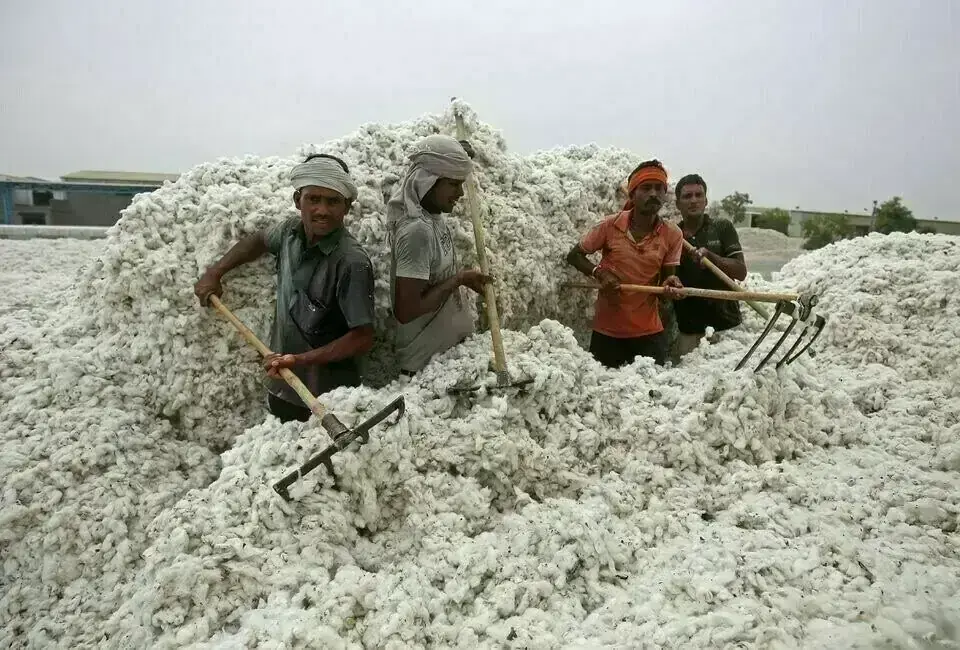
COTTON SECTOR IN CRISIS
Illustration concept: A wide editorial photo showing a vast, dried cotton field in Pakistan under a hot haze, with a solitary farmer looking over barren ground, symbolizing agricultural policy paralysis.
AI summary
Pakistan's cotton sector is suffering from administrative neglect and a lack of transparency that has crippled core institutions. The Pakistan Central Cotton Committee is currently operating with only 26 percent of its staff, alongside mounting financial pressure from over Rs2 billion in uncollected industry dues.
Key takeaways
- The Pakistan Central Cotton Committee (PCCC) is suffering an acute shortage, with 564 out of 752 positions lying vacant.
- Promotions and fresh recruitment at the research body have been frozen for approximately 15 years, leaving top officer posts empty for a decade.
- More than Rs2 billion in dues owed by the textile sector remain unrecovered due to weak government enforcement mechanisms.
- Lack of transparency and policy drift are severely impacting Pakistan's broader agricultural performance and cotton yield.
Pakistan's cotton economy is sinking deeper into turmoil, weighed down by administrative inertia, systemic opacity, and institutional neglect. Industry observers point out that government machinery has repeatedly failed to provide clear direction or maintain basic operational transparency, leaving key agricultural stakeholders in the dark regarding critical decision-making processes.
At the center of this systemic breakdown is the Pakistan Central Cotton Committee (PCCC), an entity tasked with driving research and development in the sector but now virtually paralyzed. Confidential details revealed by an official source indicate that the agency is running on a skeleton crew, with a staggering 75 percent of its workforce missing. Out of 752 total sanctioned positions, a mere 26 percent—around 188 posts—are actively filled, leaving 564 roles completely vacant.
The leadership vacuum at the research body extends to its highest administrative tiers. Five top Grade-20 officer seats have remained unoccupied for over a decade, while general promotions and fresh hiring drives have been frozen for nearly 15 years. This prolonged recruitment ban has severely drained the organization of technical expertise, halting crucial scientific research at a time when domestic growers face mounting agronomic challenges.
Compounding the acute personnel deficit is an escalating financial crunch that threatens basic operations and employee paychecks. The organization has experienced severe disruptions in disbursing staff salaries and pensions, leaving workers in financial distress. Meanwhile, the administrative body overseeing the sector has proven unable to enforce fiscal compliance.
Efforts to stabilize the institution remain hampered by weak enforcement from the Ministry of National Food Security and Research. The ministry has failed to establish an efficient recovery mechanism to collect more than Rs2 billion in outstanding statutory dues tied up in the textile sector, further blocking the funding necessary to revive national cotton production.
Frequently asked questions
- What is the primary cause of the operational crisis at the PCCC?
- The crisis is driven by severe understaffing, a 15-year freeze on recruitment and promotions, vacant executive posts, and unrecovered financial dues.
- How many positions are currently vacant at the Pakistan Central Cotton Committee?
- Out of 752 total sanctioned posts, 564 positions (roughly 74 percent) remain vacant, leaving only 26 percent of the workforce active.
- How much money does the textile industry owe the cotton committee?
- Over Rs2 billion in outstanding dues owed by the textile sector remain stuck due to weak recovery mechanisms by the ministry.
Source & transparency
- By:
- Tony
- Source:
- Business Recorder
- The Reviser publication:
- Aug 8, 2026, 8:31 AM
- Updated:
- Aug 8, 2026, 9:10 AM
This report was independently written by The Reviser editorial desk from verified source material. It is not original on-the-ground reporting by The Reviser.
Related articles

GOLD JUMPS RS2,200 PER TOLA
Pakistan Gold Rates Surge as Global Market Gains Momentum
AI summaryDomestic gold prices extended their upward trajectory on Saturday, pushed higher by rising international bullion valuations. Meanwhile, local silver prices bucked the trend and experienced a moderate retreat.
PAKISTAN NEW ZEALAND TRADE
Pakistan, New Zealand Seal Trade and Education Pact
AI summaryPakistan and New Zealand have agreed to deepen their economic footprint through enhanced partnerships in sustainable agriculture, education, and technology. Following high-level meetings in Wellington, both nations formalized a new academic framework while targeting broader commercial access.
TANKER HIT IN HORMUZ
UAE Accuses Iran of Tanker Strike in Strait of Hormuz
AI summaryEmirati authorities reported that a state-owned oil tanker was hit by an Iranian missile in the Strait of Hormuz, marking the latest aggression in a vital maritime trade corridor. Meanwhile, Iranian officials stated that discussions with Oman regarding maritime control are entering their final stages, though an immediate reopening remains unlikely.