Gilgit-Baltistan Gold Mining Threatens Local Rivers
Unchecked Placer Gold Extraction Damages River Systems in Gilgit-Baltistan
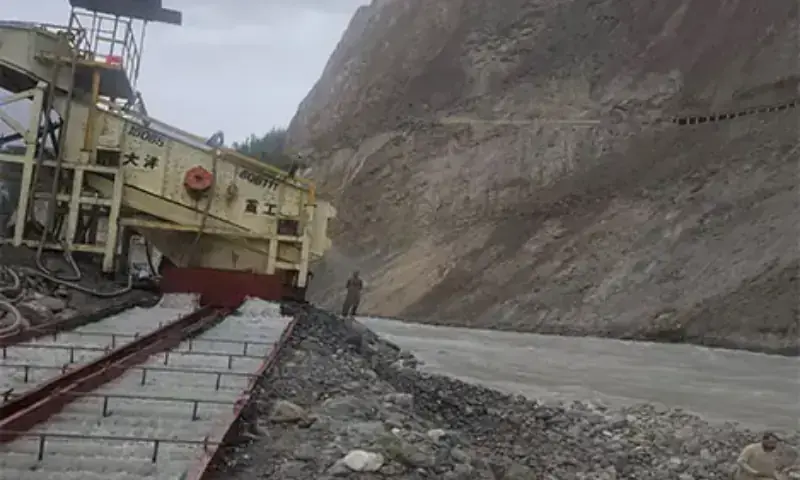
GOLD MINING THREATENS RIVERS
Illustration concept: A wide dramatic shot of a fast-flowing river in the mountainous landscape of Gilgit-Baltistan with gravel banks and mountains in the background, realistic journalism style.
AI summary
Informal placer gold extraction along riverbeds in Gilgit-Baltistan is posing severe ecological risks to northern water channels and aquatic habitats. The lack of strict environmental oversight has enabled destructive mining practices to expand across remote valleys.
Why this matters
Gilgit-Baltistan serves as a vital water catchment zone for the entire Indus basin, making its aquatic health critical to regional ecology and downstream populations. Unchecked resource extraction threatens delicate ecosystems, local fisheries, and water purity while depriving the regional government of potential tax revenue.
Key takeaways
- Informal gold panning along Gilgit-Baltistan rivers is causing significant habitat destruction and water pollution.
- Modern placer extraction relies on motorized pumps and unsanctioned chemicals, disturbing riverbed ecosystems.
- Enforcement challenges in remote mountainous terrain have hindered administrative efforts to curb illegal operations.
- Experts are urging the government to establish clear regulatory frameworks to protect freshwater resources and capture lost tax revenue.
Environmental balances in northern Pakistan face growing pressure as informal gold panners intensify operations along major river channels in Gilgit-Baltistan. The heavy churning of riverbeds and sediment disruption are altering natural water flows, destroying fish breeding grounds, and degrading freshwater habitats that local communities rely upon for drinking and agriculture.
Placer gold extraction involves sifting through stream gravels and alluvial deposits to isolate trace gold particles carried down from the surrounding mountains. While traditional operators historically used basic wooden pans, modern informal miners increasingly deploy diesel-driven suction pumps and motorized machinery. In some instances, toxic chemical processing methods are utilized, raising severe concerns about heavy metal runoff entering main water supplies.
According to reports from Dawn Pakistan, the absence of a robust enforcement mechanism and clear regulatory oversight has allowed these unregulated operations to spread along the Indus, Gilgit, and Hunza river systems. Administrative authorities face steep logistical obstacles in monitoring remote, high-altitude stretches, leaving vast natural corridors vulnerable to persistent environmental degradation.
Beyond ecological degradation, the informal nature of the trade deprives the regional government of official revenue that could be generated through formal licensing and regulated mining permits. Environmental experts and local civic organizations have called for immediate government interventions, including strict monitoring, environmental impact assessments, and designated legal zones for small-scale mineral extraction.
Frequently asked questions
- What is placer gold mining?
- Placer gold mining is the process of extracting gold particles from alluvial deposits in stream beds, gravels, and river sands where minerals have accumulated through natural erosion.
- Why is placer gold mining in Gilgit-Baltistan dangerous?
- Unregulated extraction disrupts riverbeds, increases water turbidity, destroys aquatic species breeding grounds, and introduces toxic pollutants into key freshwater resources.
- Which rivers in Gilgit-Baltistan are affected?
- Mining activities are primarily reported along major watercourses and tributaries including the Indus, Gilgit, and Hunza rivers.
Source & transparency
- By:
- The Reviser Desk
- Source:
- Dawn Pakistan
- Original publication:
- Aug 9, 2026, 3:25 AM
- The Reviser publication:
- Aug 9, 2026, 3:25 AM
- Updated:
- Aug 9, 2026, 10:01 PM
This report was independently written by The Reviser editorial desk from verified source material. It is not original on-the-ground reporting by The Reviser.
Related stories
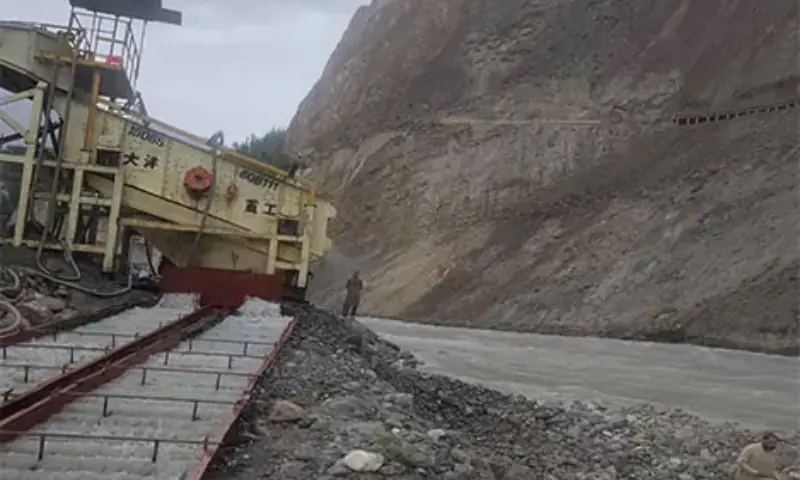
GOLD MINING THREATENS DAMS
Unregulated GB Gold Mining Threatens Dams, Infrastructure
AI summaryAuthorities in Gilgit-Baltistan have warned that expanding placer gold mining operations pose severe threats to regional infrastructure, including the Diamer-Bhasha Dam. Primary concerns focus on riverbed instability, machinery oil leaks, and the discharge of untreated wastewater into local waterways.
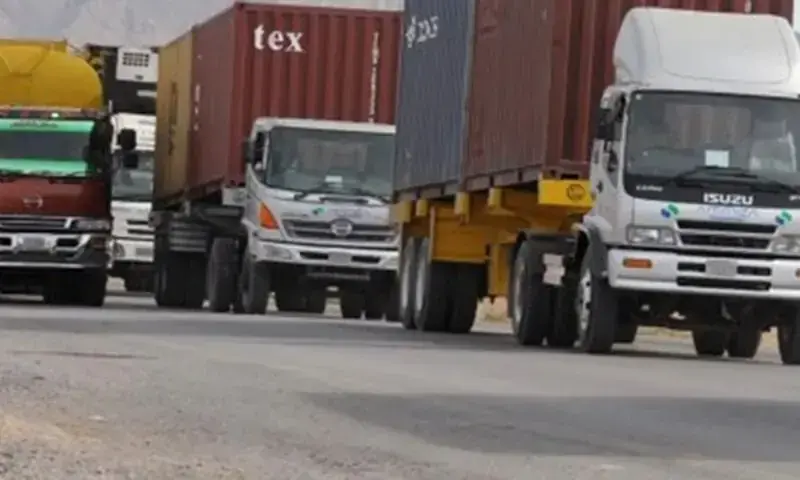
TAX HIKE CHALLENGED
IHC Challenges Goods Transport Withholding Tax Hike
AI summaryThe Islamabad High Court has requested replies from the federal government and revenue authorities regarding a petition against raising withholding tax on goods transport from 6% to 7%. The suit, filed on behalf of logistics firms, contends that providing preferential tax treatment exclusively to oil tanker operators is unconstitutionally discriminatory.

78 HEROES RECEIVE CIVIL AWARDS
Gallantry Committee Approves National Honors for 78 Citizens
AI summaryA specialized government panel chaired by Interior Minister Mohsin Naqvi has sanctioned civil gallantry honors for 78 individuals. The list includes fallen personnel and surviving ghazis recognized for outstanding courage and devotion to the nation.

AUTOPSY REVEALS GUNSHOT TORTURE
Mir Raza Ali Autopsy: Second Post-Mortem Points to Murder
AI summaryA second post-mortem examination on the exhumed body of Mir Raza Ali has revealed torture marks and a rear gunshot wound, according to local news reports. The preliminary findings lend strong support to claims that the Karachi youth was murdered rather than dying by suicide.