Gaza Cancer Patients Suffer Higher Mortality Amid Travel Curbs
Gaza Cancer Patients Face Rising Death Rates as Travel Restrictions Tighten
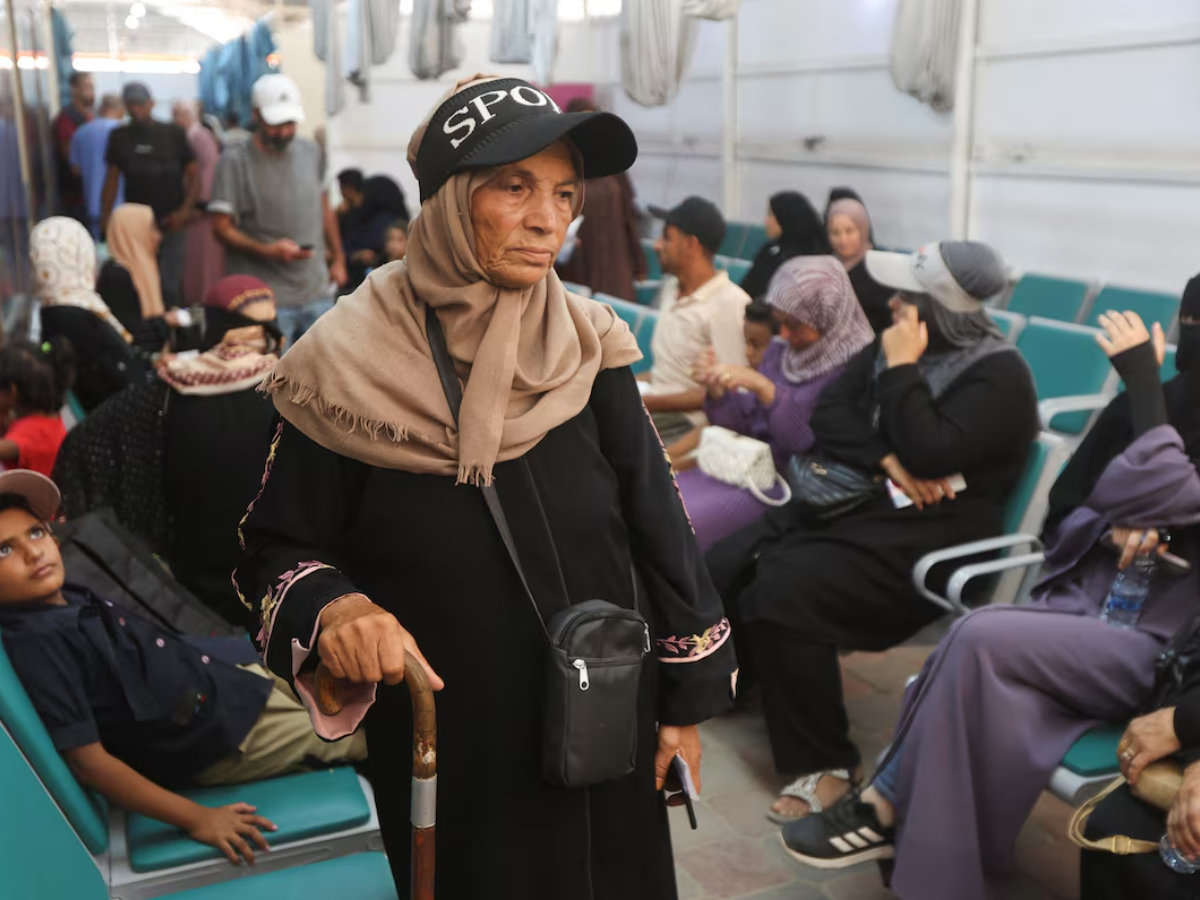
GAZA CANCER CARE DENIED
Illustration concept: A poignant photojournalistic image showing an empty hospital room in Gaza with a shadowed window looking toward a distant border wall, symbolizing medical hardship and movement restrictions. Soft muted lighting, realistic editorial style.
AI summary
Severe restrictions on movement imposed by Israeli authorities, alongside widespread economic hardship, are driving up mortality rates among cancer patients in Gaza. Medical travel outside the enclave remains prohibitively expensive for most Palestinians, while those with financial means still encounter stringent permit delays and denials.
Why this matters
The convergence of financial paralysis and stringent border controls leaves critical healthcare effectively out of reach for terminally ill patients in Gaza. Delaying or denying specialized oncology treatment directly worsens survival outcomes for patients who cannot receive adequate care within the blockaded territory. This situation highlights the severe human toll of movement restrictions on vulnerable populations requiring urgent medical intervention.
Key takeaways
- Gaza cancer patients are suffering higher death rates due to tight Israeli travel restrictions and movement controls.
- Extreme economic hardship leaves almost no Palestinians capable of financing travel for medical care outside the enclave.
- Patients who manage to afford travel still face heavy permit restrictions, delays, and denials from Israeli authorities.
- The combination of financial obstacles and movement barriers severely compromises timely oncology treatment.
Reports from Express Tribune World indicate that cancer patients in Gaza are experiencing an increasing death rate, primarily driven by strict travel limits imposed by Israeli authorities and severe financial constraints. Specialized oncology care is often unavailable within the enclave, leaving overseas or out-of-region care as the only viable option for many individuals facing life-threatening conditions.
However, the vast majority of Palestinian patients cannot afford the substantial costs required to travel abroad for medical treatment. Economic distress in the region has severely limited the ability of families to fund necessary travel, accommodation, and medical expenses in external facilities.
Even for the few patients who possess sufficient funds to seek treatment outside Gaza, significant obstacles remain. Travelers face rigorous screening processes and stringent travel permits mandated by Israeli border enforcement, leading to frequent delays or outright rejections.
Healthcare delays in oncology are known to significantly diminish survival chances, turning bureaucratic and logistical barriers into life-threatening hurdles. As restrictions persist and economic pressures deepen, the mortality rate among Gaza's cancer patients continues to escalate.
Frequently asked questions
- Why are mortality rates among Gaza cancer patients increasing?
- Rising death rates are attributed to severe Israeli travel restrictions alongside widespread economic hardship that prevents patients from accessing specialized oncology treatment outside Gaza.
- Can Palestinian patients afford travel for medical care?
- According to reports, virtually no Palestinians in Gaza have the financial resources required to cover travel and medical expenses for treatment abroad.
- What obstacles do financially able patients face?
- Even patients who can afford medical travel encounter heavy Israeli permit restrictions, long delays, and potential travel denials at border checkpoints.
Source & transparency
- By:
- The Reviser Desk
- Source:
- Express Tribune World
- Original publication:
- Aug 13, 2026, 6:09 AM
- The Reviser publication:
- Aug 13, 2026, 6:09 AM
- Updated:
- Aug 13, 2026, 12:51 PM
This report was independently written by The Reviser editorial desk from verified source material. It is not original on-the-ground reporting by The Reviser.
Related stories
WEST BANK SIEGE STANDOFF
West Bank Standoff: Settlers Surround Palestinian Homes
AI summaryTwo Palestinian families in a West Bank village remain surrounded by roughly a dozen Israeli settlers after security personnel reportedly pulled back from the location. The siege, which began on Sunday, continues as local observers monitor the standoff.
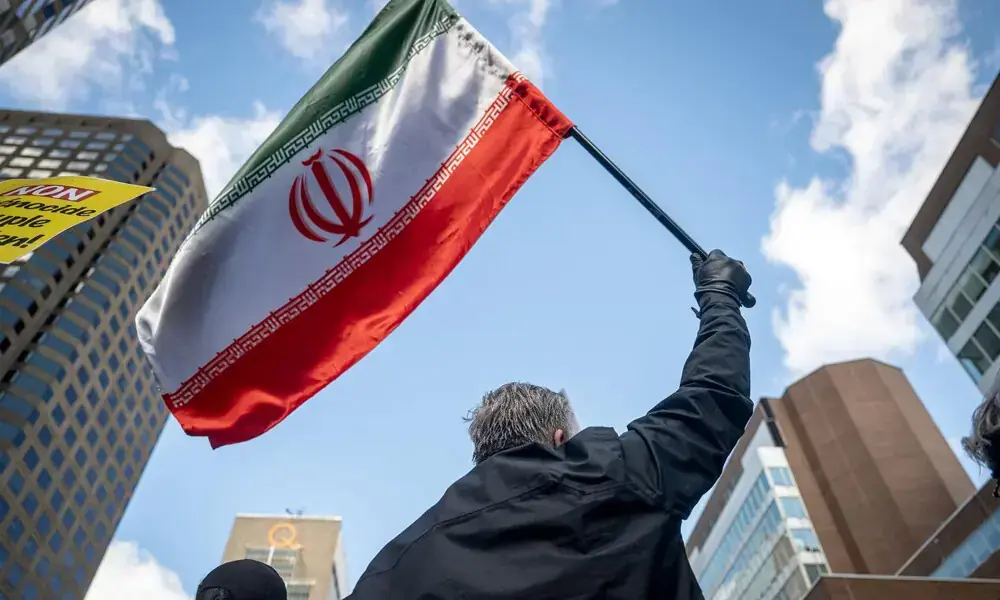
CEASEFIRE TALKS DENIED
Iran Denies Talks with US to Extend Interim Ceasefire Deal
AI summaryTehran has dismissed reports claiming it is negotiating a ceasefire extension with Washington, asserting that the original pact never legally went into effect. The denial contradicts earlier media reports suggesting Pakistan had successfully brokered an extension to the June interim agreement.

PUTIN CANNOT CONQUER UKRAINE
Dmitry Muratov Tells BBC Putin Cannot Conquer Ukraine
AI summaryNobel Peace Prize laureate Dmitry Muratov stated in a BBC interview that Russian President Vladimir Putin can no longer claim victory in Ukraine. Muratov asserted that while Moscow retains the capacity to destroy Ukraine, it remains incapable of conquering the nation.
NUCLEAR PLANT SHUT DOWN
Romania Shuts Down Sole Nuclear Plant as Danube Levels Drop
AI summaryReduced water flow along the Danube River has forced the complete shutdown of Romania's only nuclear power plant. Authorities attempted to avoid a total halt at the facility, which ordinarily supplies roughly 20 percent of the nation's electricity.