Europe Drought Disrupts Trade and Energy Networks
Shrinking European Waterways Threaten Continental Economic Growth
EUROPEAN RIVERS DRY UP
Illustration concept: A dramatic aerial photograph of a dried-up European river bed with cargo barges stranded near shallow waters under a blazing sun.
AI summary
Unprecedented drought conditions across Europe are severely lowering water levels in critical transport channels like the Rhine and Danube. Consequently, disruptions to freight transit and power generation are creating severe risks for regional supply chains and economic stability.
Key takeaways
- Historic dry weather is causing a severe drop in water levels across major European rivers like the Rhine and Danube.
- Low river depths have disrupted cargo freight operations, forcing extreme bed-clearing measures to maintain navigation.
- Energy generation and industrial cooling rely heavily on these rivers, compounding regional market vulnerabilities.
- Supply chain slowdowns risk stalling economic output and elevating costs across the continent.
Major waterways across the European continent are drying up under relentless heat, forcing authorities to resort to extreme engineering measures to keep trade moving. Shallow waters along key trade arteries are halting barges and throwing regional commerce into disarray.
The plummeting water depths along crucial channels like the Rhine and the Danube have crippled freight shipping. To prevent complete gridlock along essential commercial paths, crews have even begun blasting rock formations from riverbeds to allow deeper-draft commercial vessels to pass.
Beyond cargo transportation, the historic lack of rainfall is severely impacting energy generation. Power plants that rely on river cooling systems face operational cutbacks, compounding existing energy instability across European markets.
Industry analysts warn that these environmental pressures could spark widespread supply chain disruptions. Delayed shipments of vital industrial components, fuel, and agricultural goods threaten to trigger cost spikes for producers and consumers alike.
As dry conditions persist, European policymakers and business leaders face growing anxiety over long-term economic growth. Without significant rainfall, the ongoing transport and energy bottlenecks risk dragging down broader continental output.
Frequently asked questions
- Which European rivers are most impacted by the current drought?
- Major commercial waterways including the Rhine and the Danube are facing dangerously low water levels.
- How is the dry weather affecting Europe's economy?
- The drop in river levels slows down freight transport, hinders energy production, and risks broader supply chain bottlenecks.
- What measures are being taken to keep shipping lanes open?
- Authorities and engineering teams are taking drastic steps, such as blasting riverbeds, to deepen channels for heavy commercial vessels.
Source & transparency
- By:
- The Reviser Desk
- Source:
- CNBC Markets
- The Reviser publication:
- Aug 5, 2026, 7:15 AM
- Updated:
- Aug 8, 2026, 8:20 AM
This report was independently written by The Reviser editorial desk from verified source material. It is not original on-the-ground reporting by The Reviser.
Related stories

BITCOIN RIGS SHUT DOWN
Capital Bitcoin Mining Rigs Shut Down Over Power Shortages
AI summaryThe Energy Ministry has introduced a year-round ban on Bitcoin mining in the nation's capital city to address persistent electricity capacity shortages. The decision targets energy-heavy crypto facilities that have placed significant strain on regional power grids.

INDIANA FLOODS FIVE DEAD AID
Indiana Floods Leave Five Dead as Federal Government Promises Aid
AI summaryAt least five people have died in Indiana following a week of continuous heavy rainfall that caused severe flooding across the state. Indiana's state governor confirmed that the U.S. federal government has pledged emergency assistance to aid ongoing recovery efforts.
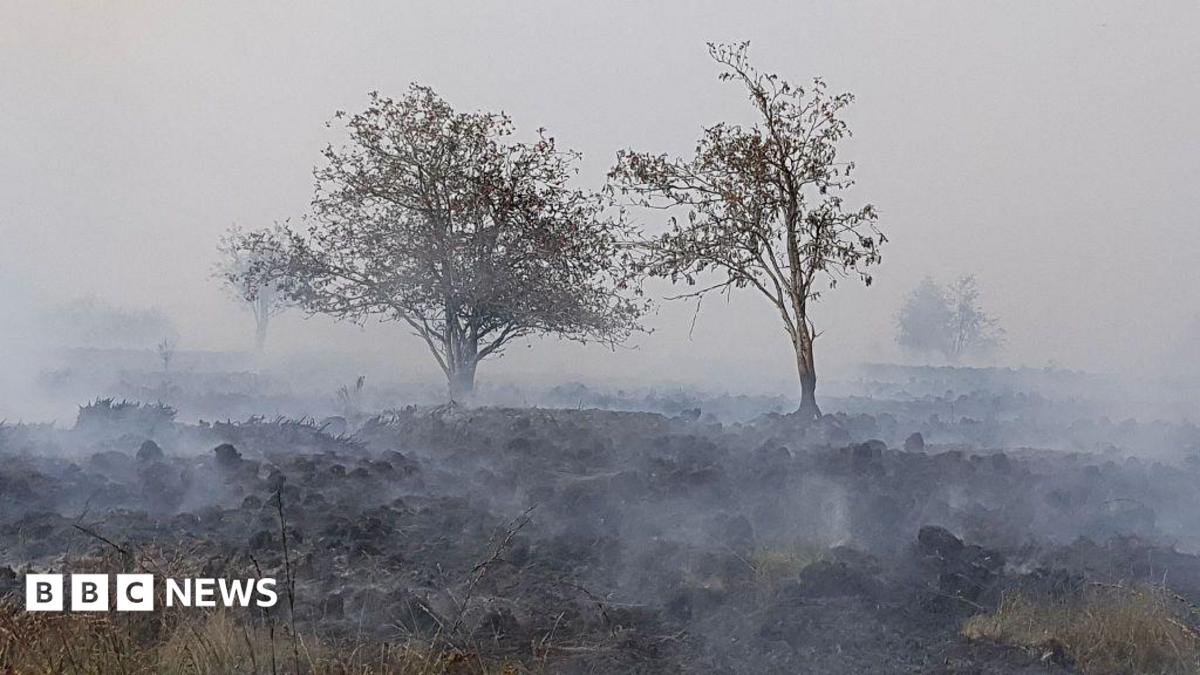
BELGIUM PARK FIRE RAGES
Belgian Nature Reserve Hit by Worst Wildfire in Recent History
AI summaryEmergency crews in Belgium are currently combating a major wildfire spreading through a key nature reserve. According to BBC Science, the incident represents the most severe parkland fire the country has faced in recent years.

HURRICANE LALA HAWAII THREAT
Hawaii Prepares for Hurricane Lala in Potential 34-Year First
AI summaryHawaii is on alert for a potential direct hurricane impact, which would mark the state's first such event in 34 years. Category 1 Hurricane Lala could bring extreme downpours to the Big Island under severe forecast scenarios.