Capital Bitcoin Mining Rigs Shut Down Over Power Shortages
Energy Ministry Imposes Year-Round Ban on Capital Bitcoin Mining
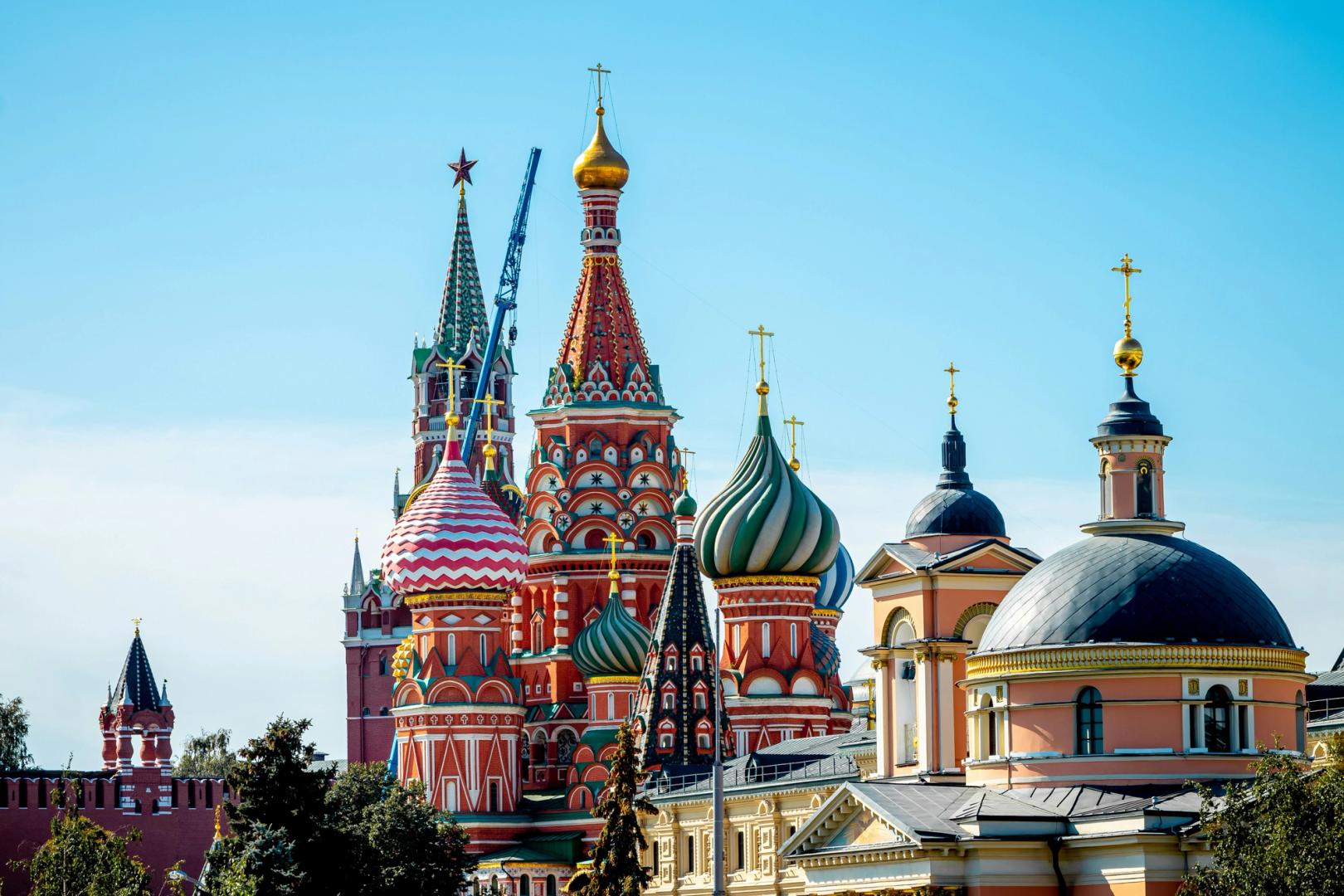
BITCOIN RIGS SHUT DOWN
Illustration concept: A sleek server room with dark turned-off Bitcoin mining rigs next to a glowing electrical grid symbol.
AI summary
The Energy Ministry has introduced a year-round ban on Bitcoin mining in the nation's capital city to address persistent electricity capacity shortages. The decision targets energy-heavy crypto facilities that have placed significant strain on regional power grids.
Why this matters
As the world's second-largest hub for Bitcoin mining, regulatory shifts in this nation directly impact global network hash rates. The move underscores growing environmental and infrastructure challenges facing major crypto-mining hubs.
Key takeaways
- Energy Ministry enacted a year-round ban on capital city Bitcoin mining.
- Action aims to mitigate power shortages caused by energy-intensive mining facilities.
- Nation involved is the world's second-largest Bitcoin mining power.
- Measure prioritizes regional grid stability over crypto operational demands.
In a major move to protect regional electrical infrastructure, the Energy Ministry has enacted a comprehensive, year-round ban on Bitcoin mining operations in the nation's capital city. According to CoinDesk, the regulatory decision was made to mitigate persistent power capacity shortages that have repeatedly threatened the stability of the local energy grid.
The nation involved stands as the world's second-largest hub for Bitcoin mining power globally, making any regulatory shift internationally significant. However, the massive concentration of energy-intensive crypto facilities in and around the capital city has placed an unsustainable burden on local transformers, transmission lines, and power distribution systems during periods of high electrical demand.
Rather than relying on short-term or seasonal curtailment orders, officials determined that a permanent restriction was necessary to ensure grid reliability. By shutting down high-powered computer rigs in the capital, the Energy Ministry aims to free up vital megawatt capacity, ensuring that essential public utilities, homes, and traditional businesses maintain uninterrupted power access.
The year-round restriction highlights an increasing global friction between cryptocurrency infrastructure and municipal resource management. As mining hardware becomes more sophisticated and power-demanding, governments operating key mining hubs are increasingly forced to prioritize baseline energy grid security over the continued expansion of energy-hungry crypto data centers in urban environments.
Future enforcement actions will focus on monitoring capital energy consumption to ensure full compliance with the newly enacted mining prohibitions.
Frequently asked questions
- Why did the Energy Ministry ban Bitcoin mining in the capital?
- The ministry enacted the year-round restriction to curb severe grid strain and mitigate ongoing power capacity shortages caused by energy-intensive mining facilities.
- How significant is this country in global Bitcoin mining?
- According to CoinDesk, the country ranks as the world's second-largest jurisdiction for Bitcoin mining power.
Source & transparency
- By:
- The Reviser Desk
- Source:
- CoinDesk
- Original publication:
- Aug 15, 2026, 3:21 PM
- The Reviser publication:
- Aug 15, 2026, 3:21 PM
- Updated:
- Aug 15, 2026, 3:31 PM
This report was independently written by The Reviser editorial desk from verified source material. It is not original on-the-ground reporting by The Reviser.
Related stories

$11.2B CRYPTO FUNDING SHIFT
Regulated Crypto Firms Draw $11.2 Billion in H1 2026 Funding
AI summaryInstitutional investors allocated $11.2 billion to regulated crypto companies in the first half of 2026. The findings, analyzed by Dubai-based lawyer Irina Heaver, highlight significant investments from BlackRock, Goldman Sachs, and Persian Gulf sovereign funds.
TRUMP BACKED CHARTER APPROVED
OCC Grants Conditional Charter Approval to World Liberty Trust
AI summaryU.S. federal banking regulators have granted preliminary conditional approval for World Liberty Trust Co. to pursue a national charter. The decision allows the Trump-backed enterprise to move forward with organizational setup while meeting regulatory benchmarks.

UBS BOOSTS BITCOIN ETF STAKE
UBS Expands Bitcoin Exposure With 12% Rise in IBIT Shares
AI summarySwiss banking giant UBS increased its direct position in the iShares Bitcoin Trust to 407,890 shares during the quarter, marking a 12 percent growth. Meanwhile, the financial institution cut its put option exposure by roughly 53 percent down to 143,300 underlying shares.
CRYPTO WEEK IN REVIEW
US Crypto Bill Survives as Mastercard Pursues $1.8B Deal
AI summaryLawmakers in Washington narrowly maintained progress on major cryptocurrency legislation aimed at establishing regulatory boundaries. Meanwhile, Wall Street expanded digital asset operations amid news of Mastercard's $1.8 billion deal and a massive bitcoin security scare.