Escaping the Extractive Resource Trap Through Green Growth
Breaking the Resource Curse: How South-South Green Alliances Offer Developing Nations a Path Forward
BREAKING THE RESOURCE TRAP
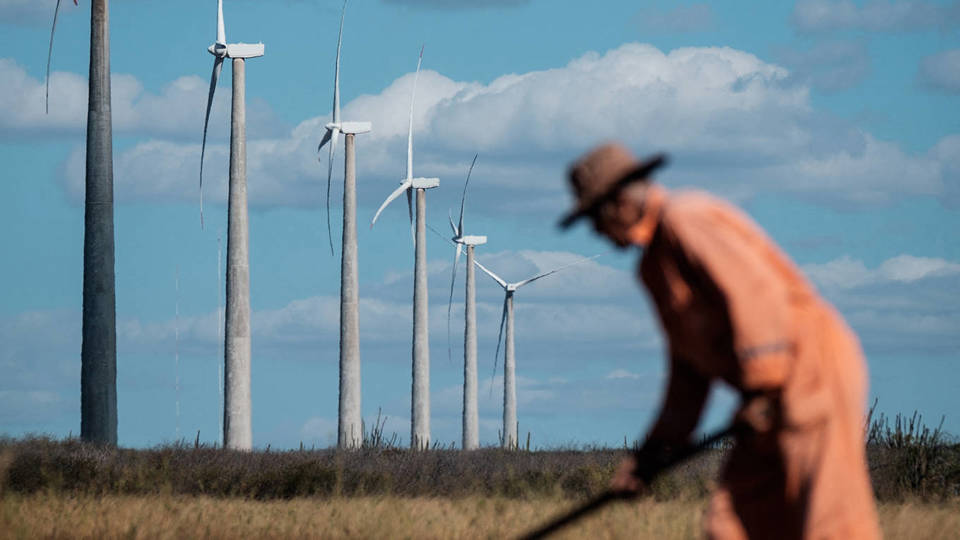
Illustration concept: A high-quality conceptual image representing sustainable green energy and economic transformation in a developing country, featuring wind turbines and solar panels integrated into a modern industrial landscape under a bright, clean sky.
CSS / PCS revision
Key points, takeaways and exam-style Q&A formatted as a printable one-file study pack.
AI summary
Decades of primary resource extraction have left many developing nations trapped in economic vulnerability, wealth concentration, and industrial stagnation. To achieve sustainable prosperity, emerging economies must leverage South-South cooperation to construct resilient green industries.
Why this matters
For developing countries long plagued by the resource curse, transitioning toward green industrialization offers a structural escape from commodity export dependence and balance-of-payments crises. Fostering trade, capital flows, and technology sharing among Global South nations builds economic autonomy independent of traditional Western financial models. This strategic realignment is vital for establishing long-term macroeconomic stability while addressing urgent global climate objectives.
Key takeaways
- Primary resource export reliance exacerbates wealth inequality, structural debt vulnerabilities, and industrial de-skilling across developing nations.
- South-South cooperation provides a strategic pathway for emerging economies to build domestic value addition in renewable technology and green manufacturing.
- Immediate fiscal distress and heavy foreign debt obligations remain major structural barriers preventing low-income countries from funding green industrialisation.
- For Pakistan, integrating mineral and renewable resource development into regional green supply chains is vital for long-term macroeconomic resilience.
For resource-rich developing nations, primary commodity exploitation has historically functioned as a double-edged sword. Decades of prioritizing raw mineral and energy exports have entrenched economic dependency, concentrated income among narrow domestic elites, and crowded out broader productive sectors—a classic manifestation of the resource curse. According to an analytical perspective published by Project Syndicate, continuing down this traditional extractive path limits broad-based economic prosperity and leaves emerging markets highly vulnerable to global commodity price shocks.
Advocates of green industrial restructuring argue that the Global South must break free from serving merely as suppliers of raw materials to industrialised economies. By fostering targeted South-South cooperation, developing countries can pool financial resources, share technical expertise, and build regional value chains focused on clean technologies. Developing local manufacturing capabilities for solar hardware, energy storage, and climate-resilient infrastructure allows resource-rich nations to capture higher domestic value while accelerating the global energy transition.
However, significant structural hurdles complicate this proposed paradigm shift. Skeptics and economic realists point out that transitioning away from established extractive revenues requires substantial upfront capital, sophisticated technological infrastructure, and long-term regulatory commitment that many low-income nations lack. Moreover, heavy foreign debt burdens and immediate fiscal demands frequently force governments to prioritize quick revenues from raw material extraction over long-term, capital-intensive green development projects.
For Pakistan and the wider South Asian region, this structural dilemma is particularly acute amid ongoing macroeconomic pressures and severe climate vulnerability. Pakistan's strategic resource reserves and significant renewable potential offer a foundation for sustainable industrialization, but realizing this potential requires moving beyond basic raw-material exports. Aligning national industrial policy with regional green energy corridors and clean technology partnerships could help reduce reliance on expensive fossil fuel imports and stabilize foreign exchange reserves.
Ultimately, overcoming the extractive trap demands active state policy paired with robust multilateral alliances across the Global South. By shifting from passive exporters of unrefined resources to active producers within the green economy, developing nations can establish equitable growth models that protect against external shocks while serving long-term environmental and economic interests.
Frequently asked questions
- What is the 'resource trap' affecting developing nations?
- The resource trap, often called the resource curse, occurs when a nation's economy becomes heavily dependent on primary raw material exports, leading to currency volatility, wealth concentration, weak institutional governance, and the decay of domestic manufacturing sectors.
- How can South-South cooperation support green industrialisation?
- South-South cooperation allows developing countries to trade green energy components, exchange technical knowledge, and form regional value chains without relying exclusively on traditional, condition-heavy financial frameworks from developed nations.
- What are the economic implications of this transition for Pakistan?
- For Pakistan, adopting green industrial policies offers a path toward economic diversification, reducing high energy import costs, leveraging mineral wealth for local manufacturing, and building climate-resilient infrastructure.
Source & transparency
- By:
- The Reviser Desk
- Source:
- Project Syndicate
- Original publication:
- Aug 10, 2026, 11:03 AM
- The Reviser publication:
- Aug 10, 2026, 11:03 AM
- Updated:
- Aug 10, 2026, 2:31 PM
This report was independently written by The Reviser editorial desk from verified source material. It is not original on-the-ground reporting by The Reviser.
Related stories
US DEBT CRISIS IMPACT
US Fiscal Crisis: Impact on Global Economy and Pakistan
AI summaryWashington Post Opinions highlights that while time remains to avert a U.S. fiscal catastrophe, mounting national debt poses systemic risks to the global economy. Addressing this structural deficit requires immediate legislative compromise and long-term fiscal discipline.
AMERICA'S ENDURING AFGHAN DEBT
US Moral Obligations to Afghan Women Years After Withdrawal
AI summaryFollowing its withdrawal from Afghanistan, the United States faces ongoing questions regarding its ethical and strategic obligations toward Afghan women. According to commentary from NYT Opinion, Washington's long-term commitment to human rights in the region remains an unfinished mandate with broader implications for South Asian stability.
GLOBAL ECONOMY SHIFTING FAST
Navigating Deglobalization and the Global Economic Transition
AI summaryAn analysis published by Project Syndicate suggests the global economy has entered a state of continuous, unguided structural shift marked by the erosion of multilateral governance and shared macroeconomic goals. This realignment forces policymakers and market participants globally to navigate an era defined by economic nationalism and fragmented supply chains.

ANATOMY OF STATE FAILURE
Anatomy of Political Revolutions and State Fragility
AI summaryHistorical analysis indicates that political revolutions stem from deep structural failures, including severe economic inequality and reliance on state coercion over political negotiation. While long-term systemic conditions make upheavals foreseeable in hindsight, the exact catalyst that triggers an uprising remains inherently unpredictable.