Navigating Deglobalization and the Global Economic Transition
The End of Unfettered Globalization: Navigating a Fractured World Economy
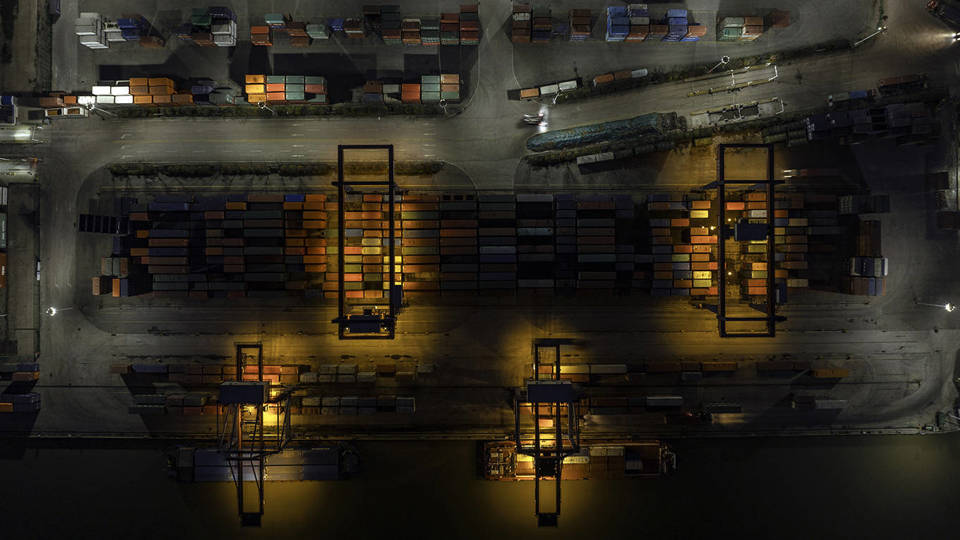
GLOBAL ECONOMY SHIFTING FAST
Illustration concept: A conceptual cinematic illustration of a stylized global trade map splitting along glowing geopolitical fault lines, with cargo ships and digital currency streams navigating uncertain routes between fragmented economic continents, dark dramatic lighting, modern financial editorial art style.
CSS / PCS revision
Key points, takeaways and exam-style Q&A formatted as a printable one-file study pack.
AI summary
An analysis published by Project Syndicate suggests the global economy has entered a state of continuous, unguided structural shift marked by the erosion of multilateral governance and shared macroeconomic goals. This realignment forces policymakers and market participants globally to navigate an era defined by economic nationalism and fragmented supply chains.
Why this matters
The systemic breakdown of traditional trade frameworks directly impacts global capital flows, import costs, and development trajectories for emerging markets. Developing economies, particularly those reliant on external financing, must rebuild economic resilience against unilateral statecraft and geopolitical frictions. Understanding this structural paradigm is vital for strategic planning across international relations and macroeconomics.
Key takeaways
- The global economy is transitioning from multilateral rules-based trade to a fragmented landscape dominated by geoeconomic statecraft and strategic protectionism.
- Arguments favoring economic nationalism emphasize national security and supply chain resilience, whereas critics highlight rising inflation and capital inefficiency.
- Developing economies face severe exposure to capital flight, higher borrowing costs, and geopolitical pressures as major powers prioritize domestic industrial policy.
- Policy adaptation requires developing nations like Pakistan to build domestic fiscal buffers, diversify trade partnerships, and manage heightened macroeconomic risks.
According to an analytical commentary published by Project Syndicate, the international economic architecture built on open trade, rules-based multilateralism, and shared monetary consensus has largely collapsed. Decades of market integration are giving way to an era dominated by industrial policy, trade restrictions, and geoeconomic fragmentation. Rather than a temporary disruption, global markets are settling into a prolonged state of structural uncertainty without a clear institutional anchor.
Proponents of this dynamic assert that aggressive economic statecraft and supply chain re-shoring are vital responses to national security risks and climate challenges. Advocates argue that unchecked globalization exposed critical vulnerabilities, such as over-reliance on foreign manufacturing for essential goods and energy supplies. From this perspective, government intervention through targeted tariffs, subsidies, and strategic controls restores sovereign resilience and protects domestic labor markets against systemic external shocks.
Conversely, critics contend that abandoning multilateral frameworks undermines collective prosperity and inflates global consumer costs. Dismantling established trade rules fosters protectionism, retaliatory tariffs, and widespread policy volatility that disincentivizes long-term corporate investment. Economists caution that a fragmented international trading system diminishes capital efficiency, deepens debt crises across global south nations, and weakens global cooperation on shared challenges like climate mitigation and poverty reduction.
For developing countries like Pakistan and its regional neighbors, this persistent volatility presents severe economic and diplomatic hurdles. Emerging markets heavily dependent on international debt restructuring, foreign direct investment, and imported fuels face heightened vulnerability as capital shifts toward protected Western markets. Furthermore, navigating intensified rivalry among major trading blocs forces regional economies into delicate strategic balancing acts, straining foreign exchange reserves and complicating structural adjustment programs supported by global financial institutions.
In conclusion, the retreat from traditional economic integration requires a fundamental reset in fiscal, monetary, and diplomatic policymaking. Success in this fragmented era will depend on building domestic shock absorbers, diversifying export destinations, and pursuing pragmatic bilateral partnerships. For developing nations, adapting to a directionless economic landscape is no longer merely a strategic advantage, but an existential policy imperative.
Frequently asked questions
- What defines the current shift away from traditional globalization?
- According to Project Syndicate, the shift is characterized by the breakdown of multilateral rules, increased economic statecraft, national protectionism, and fragmented international trade networks.
- How does geoeconomic fragmentation impact developing economies?
- Developing nations face increased volatility in capital flows, higher debt servicing costs, potential supply chain disruptions, and pressure to align with competing major power economic blocs.
- Why are nations turning toward economic statecraft and subsidies?
- Governments increasingly prioritize national security, domestic job creation, supply chain sovereignty, and industrial policy over strict adherence to open international trade agreements.
Source & transparency
- By:
- The Reviser Desk
- Source:
- Project Syndicate
- Original publication:
- Aug 10, 2026, 2:07 PM
- The Reviser publication:
- Aug 10, 2026, 2:07 PM
- Updated:
- Aug 10, 2026, 3:34 PM
This report was independently written by The Reviser editorial desk from verified source material. It is not original on-the-ground reporting by The Reviser.
Related stories
KREMLIN POWER STRATEGY EXPLAINED
Putin's Domestic Security Tactics and Regime Power Mechanics
AI summaryAn analysis published by Project Syndicate suggests that Russian President Vladimir Putin employs historical repression tactics primarily to safeguard regime continuity rather than promote an overarching ideology. The commentary highlights how internal security mechanisms dictate both domestic governance and broader international posture.

MEDIA FATIGUE & CULTURAL SATURATION
Analyzing Media Saturation and Cultural Hype in Discourse
AI summaryRecent commentary published by NYT Opinion highlights growing public exhaustion with hyper-focused media cycles surrounding major cinematic projects like Christopher Nolan's adaptation of The Odyssey. This phenomenon underscores broader trends in cultural saturation, audience fatigue, and the pervasive influence of Western soft power in global public discourse.

RESEARCH TO PRACTICE GAP
US Health Policy Shift Hinders Research to Clinical Practice
AI summaryReports from NYT Opinion highlight concerns over the dismantling of federal agencies responsible for integrating medical research into clinical practice. This policy shift underscores the structural challenge of translating scientific innovation into equitable public health outcomes.
US DEBT CRISIS IMPACT
US Fiscal Crisis: Impact on Global Economy and Pakistan
AI summaryWashington Post Opinions highlights that while time remains to avert a U.S. fiscal catastrophe, mounting national debt poses systemic risks to the global economy. Addressing this structural deficit requires immediate legislative compromise and long-term fiscal discipline.