Bank of England Tests Digital Pound and Stablecoin Settlements
Bank of England Launches Digital Pound and Stablecoin Trade Finance Pilot

BOE TESTS DIGITAL POUND
Illustration concept: A futuristic financial concept illustrating a digital British pound coin linking via glowing network threads to digital stablecoin tokens over a global trade map, professional photography, cinematic lighting, modern corporate style.
AI summary
The Bank of England's Digital Pound Lab is initiating trials to assess trade-finance interoperability between private stablecoins and central bank digital currencies. In the pilot scenario, importers settle obligations using a potential digital pound while exporters receive funds via stablecoins.
Why this matters
Cross-border payments traditionally suffer from high transaction costs, long settlement times, and operational friction across multiple banking jurisdictions. Integrating sovereign digital currencies with private stablecoins could transform global trade finance by facilitating faster and cheaper international settlements. Demonstrating interoperability between these two digital asset types will be critical for central banks evaluating future financial architecture.
Key takeaways
- The Bank of England is testing cross-border payment interoperability through its Digital Pound Lab.
- Trials involve importers settling transactions with a potential digital pound and exporters receiving stablecoins.
- The experiment focuses on resolving frictions and improving efficiency in international trade finance.
- The initiative highlights growing central bank interest in hybrid digital currency frameworks.
The Bank of England is embarking on new experimental trials to evaluate how central bank digital currencies and private digital assets can function together in international trade. According to reports from CoinDesk, the central bank's dedicated innovation unit is examining cross-border financial workflows.
At the center of this research is the Digital Pound Lab, an initiative spearheading tests focused on trade-finance interoperability. The project aims to bridge the gap between traditional banking infrastructure and emerging digital asset ecosystems.
Under the experimental framework being tested, cross-border commercial transactions will utilize two distinct digital payment mediums. Importers involved in the trials would settle their payments using a potential digital pound, while exporting entities would receive settlement in private stablecoins.
By testing these dual-currency mechanisms, researchers hope to determine whether mixed digital asset arrangements can streamline international settlement processes, reduce friction, and enhance transactional speed for global trade participants.
Frequently asked questions
- What is the Bank of England testing in its new trials?
- The Bank of England's Digital Pound Lab is testing trade-finance interoperability to see how digital central bank currencies and private stablecoins can work together in cross-border commerce.
- How does the payment pilot function for importers and exporters?
- In the experimental model, importing entities settle trade payments using a prospective digital pound, whereas exporting parties receive their payouts in stablecoins.
- What is the primary goal of the Digital Pound Lab's initiative?
- The project aims to evaluate whether integrating stablecoins and digital sovereign currencies can reduce transaction friction, speed up settlements, and improve global trade finance infrastructure.
Source & transparency
- By:
- The Reviser Desk
- Source:
- CoinDesk
- Original publication:
- Aug 12, 2026, 10:17 AM
- The Reviser publication:
- Aug 12, 2026, 10:17 AM
- Updated:
- Aug 12, 2026, 10:32 AM
This report was independently written by The Reviser editorial desk from verified source material. It is not original on-the-ground reporting by The Reviser.
Related stories
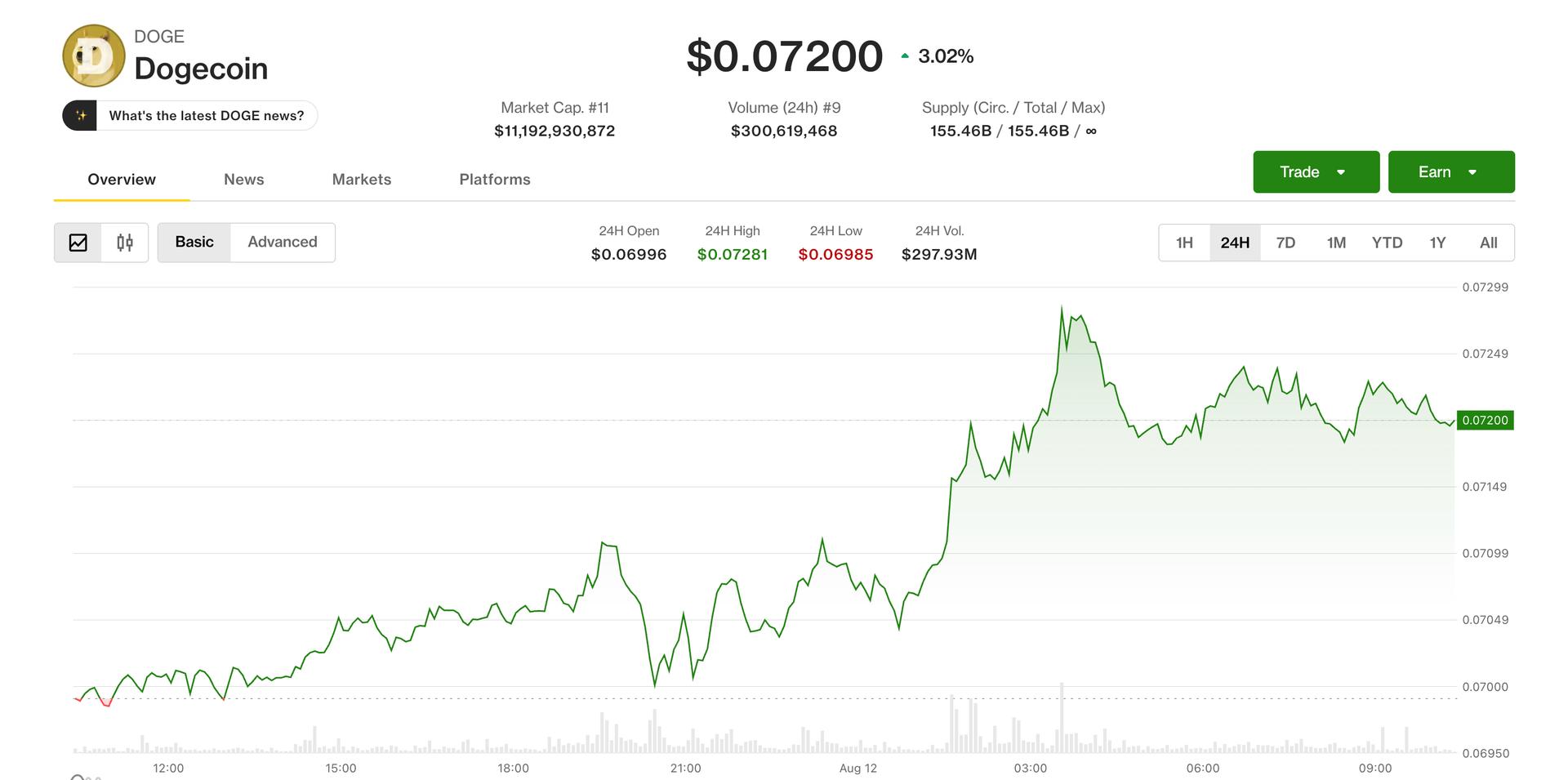
DOGE & BNB RALLY
Dogecoin and BNB Gain as Bitcoin Falls Near $63,700
AI summaryDogecoin and BNB paced gains across major digital assets, rising nearly 3% and 2% respectively. Meanwhile, Bitcoin dropped close to $63,700, standing out as the only top cryptocurrency to log losses on both daily and weekly timeframes.

RUSSIA RESTRICTS CRYPTO TRADING
Russia to Limit Retail Crypto Trading to BTC, ETH, USDT
AI summaryRussia is preparing new restrictions on retail cryptocurrency trading, confining non-qualified investors to a select list of digital assets including Bitcoin, Ether, and USDT. Under the proposed measures, retail traders will also be subject to an annual spending limit per financial intermediary, while accredited investors remain exempt.
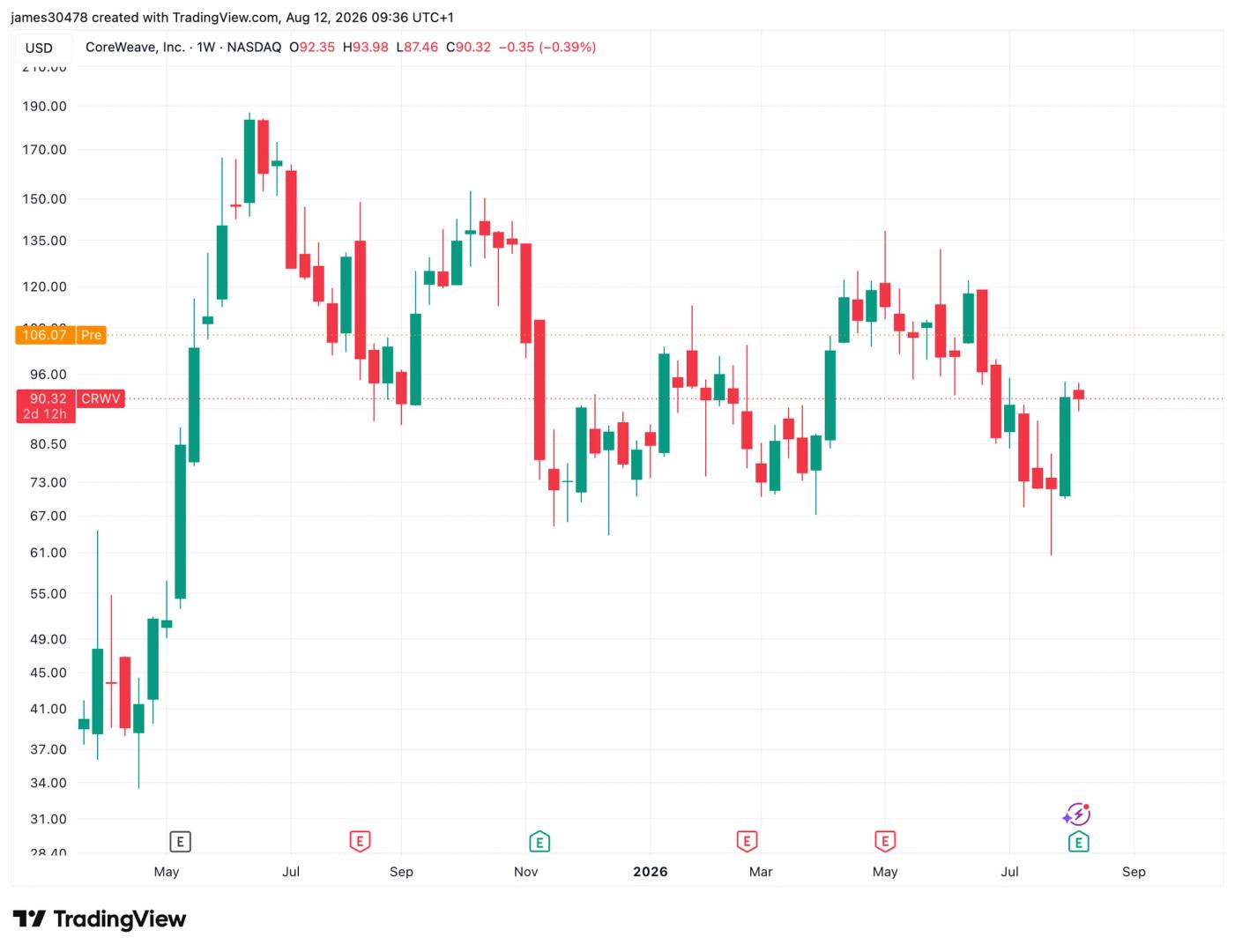
COREWEAVE SURGES ON AI DEMAND
CoreWeave Jumps 16% as AI Demand Outpaces Crypto Focus
AI summaryCoreWeave saw its stock rise by 16% after posting quarterly revenues of $2.58 billion, driven by expanding artificial intelligence demand. The rally also lifted related digital infrastructure firms like IREN and CIFR as capital rotates toward AI computing.

DEMOCRATS SHAPE CRYPTO LAWS
Democrat Lawmakers Prepare to Influence Future Crypto Policy
AI summaryPotential revisions to United States cryptocurrency legislation could place prominent Democratic lawmakers in influential drafting roles. According to CoinDesk reports, these key figures generally view the digital asset sector with skepticism and caution.