Zambia Halts Presidential Vote Count Following Unrest
Zambia Suspends Presidential Vote Count After Assaults on Election Workers
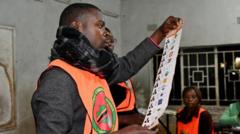
ZAMBIA VOTE COUNT HALTED
Illustration concept: A clear documentary photograph of a locked ballot box inside a quiet voting station in Lusaka, Zambia, with election staff standing in the background.
AI summary
Zambia's electoral commission has suspended the counting of presidential election votes across the country. The decision follows targeted violence against election workers and the theft of completed voting papers.
Why this matters
Interrupting national vote tabulation during a presidential contest raises immediate concerns regarding democratic transparency and political stability. The disruption could delay official results and heighten tensions among competing political factions and electors awaiting certified outcomes.
Key takeaways
- Zambian election officials suspended the national presidential vote count following safety threats.
- The electoral commission reported physical assaults against personnel stationed at polling booths.
- Authorities confirmed that violence led to the theft of marked ballot papers.
- Counting operations remain on hold as authorities evaluate security conditions.
Electoral officials in Zambia have paused the aggregation of presidential election results across the nation after physical disruptions disrupted the voting process.
According to reports from BBC World, the country's electoral commission made the decision to stop counting operations in response to widespread security concerns affecting election workers on the ground.
The electoral authorities confirmed that violent episodes had directly targeted poll workers, adding that the security breaches "resulted in the theft of marked ballot papers" from polling sites.
The temporary suspension comes as election authorities attempt to assess the extent of compromised voting stations and ensure the safety of administrative personnel involved in the national tally.
Frequently asked questions
- Why was the vote count stopped in Zambia?
- The electoral commission halted the tabulation after violent incidents targeted polling staff and led to the theft of marked ballot papers.
- What did the electoral commission say about the voting materials?
- Official statements confirmed that the violence resulted in the theft of marked ballot papers from election sites.
- Who reported this development?
- The event was reported by BBC World based on official statements from Zambia's electoral commission.
Source & transparency
- By:
- The Reviser Desk
- Source:
- BBC World
- Original publication:
- Aug 14, 2026, 11:37 AM
- The Reviser publication:
- Aug 14, 2026, 11:37 AM
- Updated:
- Aug 14, 2026, 11:45 AM
This report was independently written by The Reviser editorial desk from verified source material. It is not original on-the-ground reporting by The Reviser.
Related stories
BINFACE AT CLACTON COUNT
Count Binface Interviewed in Clacton Election Tally
AI summaryAl Jazeera correspondent Jonah Hull spoke with candidate Count Binface during the vote count in Clacton. The interview took place alongside the parliamentary contest where politician Nigel Farage claimed victory.

SERBIA AT CROSSROADS
Serbia Protests Expand One Year After Deadly Station Collapse
AI summaryPublic demonstrations in Serbia that began following a fatal railway canopy collapse have evolved into a broad national social movement. The tragedy, which claimed 16 lives, triggered sustained public anger and demands for systemic accountability.

MATISSE ART RECOVERED
Stolen Artwork by Henri Matisse Recovered in Brazil
AI summaryAn artwork by French master Henri Matisse that had previously been reported stolen has been discovered in Brazil. The recovery represents a notable success in the tracking and retrieval of missing fine art pieces globally.

WHY CEASEFIRES FAIL AGAIN
Why Truces Collapse: Examining Ceasefires in Gaza, Lebanon, Ukraine
AI summaryAn examination by Al Jazeera highlights the fragile nature of global ceasefires, focusing on failed truces across Gaza, Lebanon, Iran, and Ukraine. The analysis explores why these temporary halts in fighting consistently collapse instead of leading to permanent diplomatic solutions.