UK Farmers Adopt Beaver Dams and Tough Crops Against Drought
British Agricultural Sector Turns to Nature and Innovation to Combat Drought
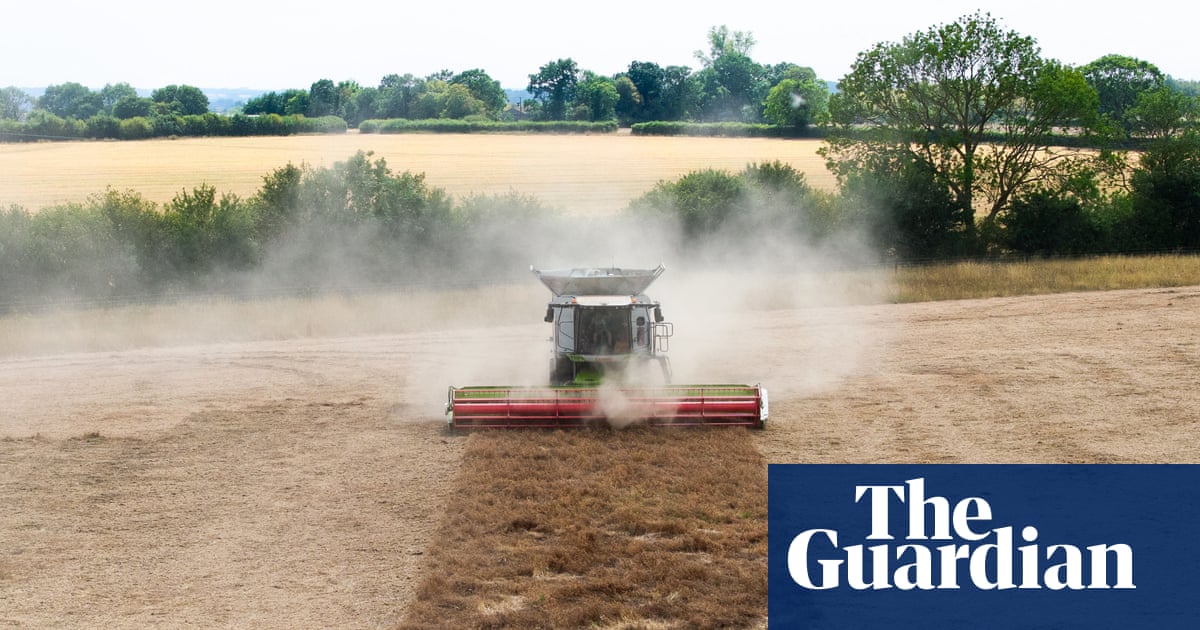
FARMERS FIGHT UK DROUGHT
Illustration concept: A realistic wide photo of a modern British farm featuring water retention ponds, drought-resistant crops, and agricultural infrastructure under a bright sky.
AI summary
British farmers are adopting unconventional strategies to safeguard livestock and crops against severe weather events. Tactics range from planting heat-tolerant crop varieties to constructing water collection tanks and utilizing natural beaver dams.
Why this matters
Rising global temperatures and erratic precipitation patterns directly threaten traditional food supply chains across the United Kingdom. By pairing natural ecological processes with modern storage infrastructure, agricultural businesses are attempting to build long-term climate resilience.
Key takeaways
- British agriculture is facing increased disruption from recurring heatwaves and below-average rainfall.
- Farmers are investing in water storage infrastructure, including collection tanks and storage ponds.
- Agricultural producers are shifting toward drought-resistant crop strains suited to higher temperatures.
- Natural landscape solutions, such as beaver dams, are being utilized to mitigate both drought and flooding risks.
Agricultural producers across Britain are revamping their operational strategies as unusual weather conditions disrupt conventional farming practices. A succession of intense heatwaves and prolonged spells of low precipitation have placed heavy strain on crops traditionally cultivated in the United Kingdom's mild climate.
To safeguard yields and protect livestock, farmers are increasingly turning to a combination of technological and ecological adaptations. These include the installation of dedicated water collection tanks and storage ponds designed to capture rainfall during wet periods for use during extreme dry spells.
Alongside physical infrastructure, agriculturalists are diversifying into crop varieties engineered or selected for greater heat and drought tolerance. Replacing sensitive traditional strains allows farms to maintain production despite shifting climate baseline conditions.
In addition to engineered solutions, natural flood and drought management methods are gaining traction. Some land managers are leveraging the natural hydrology created by beaver dams to retain moisture in soil systems and moderate stream flows during periods of rainfall fluctuation.
According to reports from Guardian Business, these multifaceted interventions are designed to build long-term resilience against both water scarcity and sudden flooding events across the UK food sector.
Frequently asked questions
- Why are British farmers changing their traditional methods?
- A series of heatwaves and lower rainfall levels have created severe challenges for crops suited to the UK's traditional climate, forcing producers to adapt.
- What tools are being used to retain water on UK farms?
- Producers are deploying water collection tanks, retention ponds, and natural features like beaver dams to store moisture and manage water flow.
- How are crop choices changing in response to climate pressures?
- Farmers are increasingly planting drought-resistant crop varieties capable of surviving higher temperatures and dry spells.
Source & transparency
- By:
- The Reviser Desk
- Source:
- Guardian Business
- Original publication:
- Aug 14, 2026, 6:00 AM
- The Reviser publication:
- Aug 14, 2026, 6:00 AM
- Updated:
- Aug 14, 2026, 6:47 AM
This report was independently written by The Reviser editorial desk from verified source material. It is not original on-the-ground reporting by The Reviser.
Related stories

PALM OIL STAYS STABLE
Malaysian Palm Oil Flat as Supply Rise Offsets El Niño Risk
AI summaryMalaysian palm oil futures held largely steady during Friday trading, balancing pressure from growing domestic stockpiles against concerns over El Niño weather disruptions and firmer crude oil markets. The benchmark October contract gained 0.06% by midday, placing it on track for a second straight weekly increase.
WHEAT PRICES SURGE AGAIN
Chicago Wheat Futures Surge Amid Black Sea Supply Fears
AI summaryChicago wheat futures advanced on Friday, marking their sharpest weekly increase in a month due to ongoing conflict-driven supply disruptions in the Black Sea region. Corn and soybean prices also registered modest gains, though upcoming rain in the US Midwest capped further increases.

THAI BAHT SLIPS LOWER
Thai Baht Drops to 33.20 Against US Dollar in Early Trading
AI summaryThailand's currency depreciated by 0.17% against the US dollar in early Friday trading, touching 33.20 per dollar. The decline follows the previous session's close of 33.1425, with early market activity hovering between 33.165 and 33.250.

COPPER TARGETS CUT AFTER STORMS
Antofagasta Shares Fall on Lower Copper Production Forecast
AI summaryAntofagasta led losses on London's FTSE 100 after lowering its 2026 copper output forecast due to weather disruptions in Chile. Severe July storms temporarily halted operations at the Los Pelambres mine, requiring repairs to water systems and pipeline platforms.