Trump Signs Executive Orders Targeting Birthright Citizenship
US President Issues New Directives to Limit Birth Tourism and Citizenship
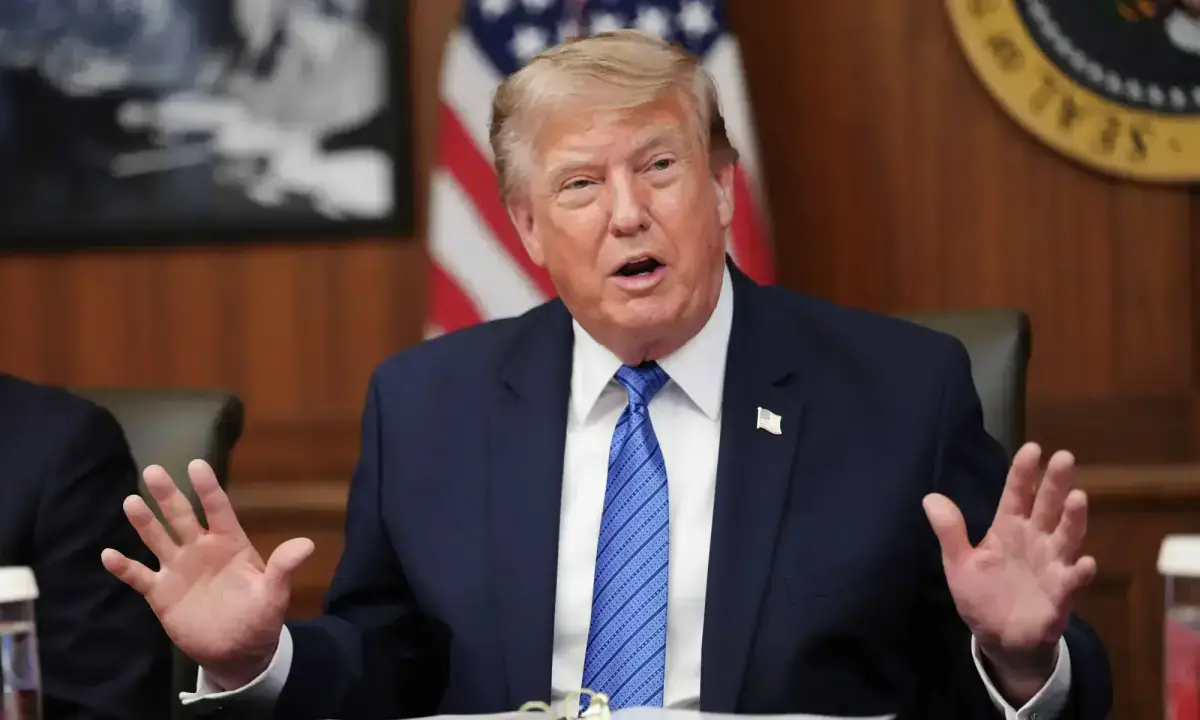
TRUMP REVISITS CITIZENSHIP RULES
Illustration concept: A formal view of the United States Capitol and Supreme Court buildings under a dramatic sky, symbolizing legal and presidential battles over federal immigration policy.
AI summary
US President Donald Trump issued two executive directives aimed at curbing birthright citizenship by specifically targeting foreign travel intended for childbirth on American soil. The move follows a prior Supreme Court ruling that struck down broader restrictions, though the administration contends these revised actions fall outside that legal prohibition.
Key takeaways
- President Donald Trump signed two executive orders aimed at curbing birthright citizenship.
- The new directives specifically target foreign travel intended for childbirth after earlier, broader restrictions were struck down by the Supreme Court.
- The White House elected to bypass Congress with executive actions that alter administrative policy rather than federal statute.
- Administration officials argue the refined policy falls outside the scope of the Supreme Court's June 30 ruling.
In a renewed attempt to dismantle long-standing immigration norms, United States President Donald Trump signed a pair of executive directives aimed at restricting birthright citizenship. The latest presidential action represents a more tailored effort to challenge constitutional guarantees following a major legal defeat at the Supreme Court earlier this summer.
The revised decrees focus heavily on curbing what the administration describes as travel by expectant non-citizens who enter the country primarily to secure automatic citizenship for their infants. Curtailing automatic citizenship rights has remained a cornerstone of the administration's broader platform to harden border policies and reduce overall foreign immigration.
Following the high court's decision on June 30 invalidating a prior, far-reaching presidential order on constitutional grounds, the White House initially pushed federal lawmakers to pass legislative remedies. However, with congressional action stalled, the executive branch moved independently on Thursday using policy orders, which lack the permanent force of federal legislation.
The previous legal challenge saw the justices rule against an expansive ban that would have impacted broad categories of undocumented residents and temporary visa holders. Federal officials now argue that the newly signed measures circumvent that ruling by narrowly redefining specific administrative rules governing foreign travelers.
Legal scholars and civil rights advocates expect the latest presidential directives to face rapid constitutional challenges in federal court. Critics maintain that any unilateral presidential action seeking to alter citizenship rights directly conflicts with constitutional protections, setting up another inevitable legal showdown.
Frequently asked questions
- What are Donald Trump's new executive orders regarding birthright citizenship?
- The newly signed directives aim to narrow birthright citizenship rules by targeting foreign nationals who travel to the US specifically to give birth.
- Why did the Supreme Court previously reject Trump's birthright citizenship order?
- The high court struck down an earlier executive decree as unconstitutional because it broadly targeted a wide range of temporary visa holders and undocumented immigrants.
- Do executive orders carry the same power as laws passed by Congress?
- No, executive orders establish policy directives within the executive branch but do not carry the formal statutory authority of laws enacted by the US Congress.
Source & transparency
- By:
- Mikle
- Source:
- Dawn World
- The Reviser publication:
- Aug 7, 2026, 9:14 AM
- Updated:
- Aug 8, 2026, 1:11 PM
This report was independently written by The Reviser editorial desk from verified source material. It is not original on-the-ground reporting by The Reviser.
Related articles
KURDISTAN REJECTS WAR INVOLVEMENT
Kurdish Iraq Seeks Neutrality Amid Regional Clashes
AI summaryKurdistan Regional Government Prime Minister Masrour Barzani stated that Iraqi Kurdistan intends to remain neutral in escalating Middle Eastern conflicts. Speaking to Al Jazeera, Barzani affirmed that no external pressure has been placed on the region to participate in hostilities concerning Iran, despite facing more than 1,000 attacks.

ASTRA DEVELOPMENT HALTED
OpenAI Halts Some Astra AI Work Over Cyber Risk Fears
AI summaryInternal development on OpenAI's next-generation model, Astra, has been partially suspended following fears it may possess advanced cyberattack capabilities. The precautionary measures were enacted under safety guidelines after concerns arose that the system could autonomously discover and exploit severe software vulnerabilities.
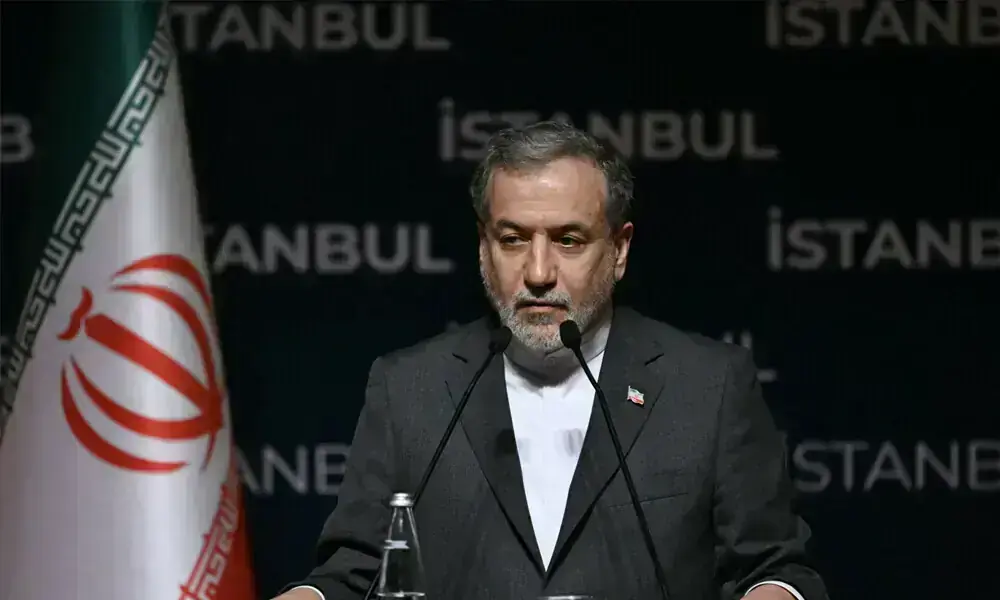
HORMUZ DEAL NEARLY CLOSED
Iran-Oman Strait of Hormuz Deal Nears But Reopening Delayed
AI summaryIran and Oman are closing in on an agreement regarding maritime routes through the Strait of Hormuz, though Tehran insists the waterway will remain restricted without US compensation. Meanwhile, fresh security incidents in the region highlight the lingering volatility threatening global energy supplies.
BLANCHE CONFIRMED AS US AG
Todd Blanche Confirmed as US Attorney General in Tight Vote
AI summaryThe United States Senate has narrowly confirmed Todd Blanche, Donald Trump's former defense lawyer, as the nation's top law enforcement official. The confirmation succeeded despite resistance from a small number of Republican senators.