Saudi, Pakistan, Turkiye Pact Shift Middle East Power
A New Regional Order: Saudi Arabia, Pakistan, and Türkiye Form Strategic Security Alignment
NEW MIDDLE EAST DEFENSE PACT
Illustration concept: A modern editorial graphic illustrating the national flags of Saudi Arabia, Pakistan, and Turkey softly illuminated over a high-tech topographic map of the Middle East, sophisticated international news style.
AI summary
An emerging defense collaboration among Saudi Arabia, Pakistan, and Türkiye signals a dramatic realignment in the Middle East's security framework. This strategic tripartite alliance highlights a broader shift toward localized defense mechanisms as reliance on traditional Western security guarantees wanes.
Key takeaways
- Saudi Arabia, Pakistan, and Türkiye are constructing a new tripartite defense alignment.
- The partnership marks a departure from historic reliance on Western security guarantees.
- The alliance combines Turkish military industry, Pakistani strategic depth, and Saudi financial resources.
- Regional capitals are prioritizing localized frameworks to secure trade and stability.
A diplomatic alignment involving Saudi Arabia, Pakistan, and Türkiye is signaling a substantial shift in the geopolitical landscape across the Middle East. As regional capitals re-evaluate their defense priorities, this tripartite security structure highlights a growing push toward self-reliance and strategic autonomy.
For decades, Western powers—most notably the United States—served as the primary guarantors of security in the Gulf and broader regional domains. However, shifting priorities in Washington have prompted key players to construct fresh bilateral and multilateral frameworks designed to address emergent threats independently.
By uniting defense capabilities, intelligence sharing, and military industrial cooperation, the emerging relationship among Riyadh, Islamabad, and Ankara seeks to fill strategic voids. Türkiye brings advanced defense manufacturing prowess, Pakistan contributes significant military personnel and strategic depth, while Saudi Arabia supplies critical financial backing and diplomatic weight.
This reconfiguration underlines a broader systemic transition toward a multi-polar environment in the broader Middle East. Rather than relying on traditional external security umbrellas, regional actors are increasingly forging localized pacts to safeguard strategic infrastructure and economic corridors.
Ultimately, the collaboration among these three nations highlights an evolving architecture where regional actors dictate defense dynamics, effectively ushering in an era defined by localized security management rather than external oversight.
Frequently asked questions
- Which countries are involved in this new strategic partnership?
- The emerging defense alignment brings together Saudi Arabia, Pakistan, and Türkiye into a cooperative security architecture.
- Why is this security pact considered significant for the region?
- It marks a move toward a localized security model in the Middle East, reducing reliance on long-standing Western defense guarantees.
- What strengths does each member bring to the arrangement?
- The alliance leverages Türkiye's defense technology, Pakistan's strategic defense capacity, and Saudi Arabia's financial and regional influence.
Source & transparency
- By:
- Mikle
- Source:
- Al Jazeera
- The Reviser publication:
- Aug 8, 2026, 11:34 AM
- Updated:
- Aug 8, 2026, 12:21 PM
This report was independently written by The Reviser editorial desk from verified source material. It is not original on-the-ground reporting by The Reviser.
Related articles
KURDISTAN REJECTS WAR INVOLVEMENT
Kurdish Iraq Seeks Neutrality Amid Regional Clashes
AI summaryKurdistan Regional Government Prime Minister Masrour Barzani stated that Iraqi Kurdistan intends to remain neutral in escalating Middle Eastern conflicts. Speaking to Al Jazeera, Barzani affirmed that no external pressure has been placed on the region to participate in hostilities concerning Iran, despite facing more than 1,000 attacks.

ASTRA DEVELOPMENT HALTED
OpenAI Halts Some Astra AI Work Over Cyber Risk Fears
AI summaryInternal development on OpenAI's next-generation model, Astra, has been partially suspended following fears it may possess advanced cyberattack capabilities. The precautionary measures were enacted under safety guidelines after concerns arose that the system could autonomously discover and exploit severe software vulnerabilities.
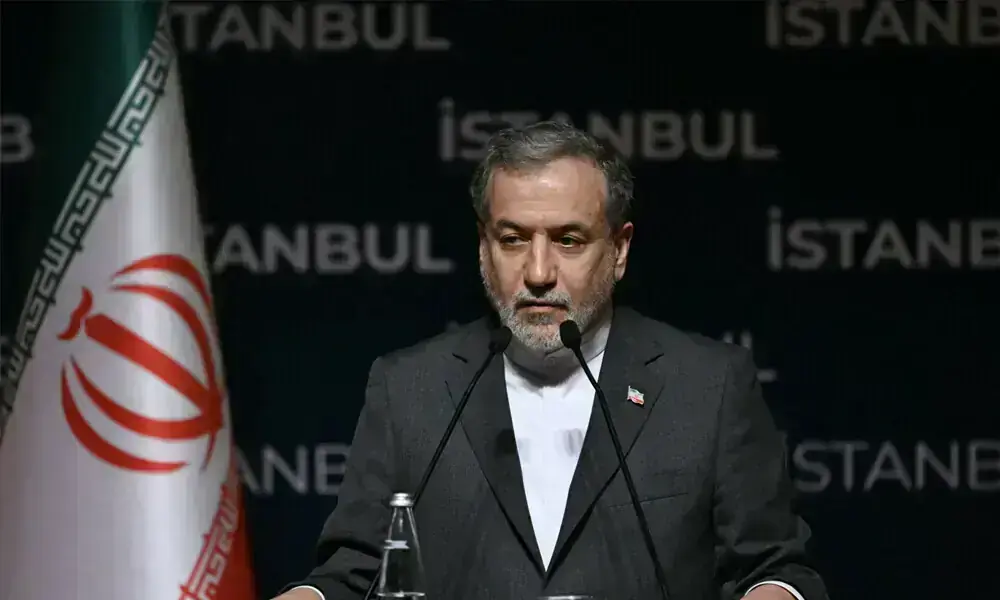
HORMUZ DEAL NEARLY CLOSED
Iran-Oman Strait of Hormuz Deal Nears But Reopening Delayed
AI summaryIran and Oman are closing in on an agreement regarding maritime routes through the Strait of Hormuz, though Tehran insists the waterway will remain restricted without US compensation. Meanwhile, fresh security incidents in the region highlight the lingering volatility threatening global energy supplies.
BLANCHE CONFIRMED AS US AG
Todd Blanche Confirmed as US Attorney General in Tight Vote
AI summaryThe United States Senate has narrowly confirmed Todd Blanche, Donald Trump's former defense lawyer, as the nation's top law enforcement official. The confirmation succeeded despite resistance from a small number of Republican senators.