Pakistan Fiscal Deficit Drops to 2.6 Percent in FY26
Pakistan Fiscal Deficit Shrinks to 2.6 Percent in FY26 as Petroleum Levy Hits Record Rs1.57 Trillion
DEFICIT DROPS TO 2.6 PERCENT
Illustration concept: A modern, professional news graphic showing Pakistan financial figures on abstract digital charts, featuring gold and dark blue tones with an overlay of a fuel pump nozzle and monetary graphs.
AI summary
Pakistan reported a fiscal deficit of 2.6 percent of GDP for FY26, marking its lowest level in over two decades alongside a historic primary surplus. High petroleum levy receipts and provincial surpluses drove the gains, even as civil government administrative expenses topped Rs1 trillion for the first time.
Why this matters
A lower fiscal deficit and record primary surplus signal improved fiscal discipline and macroeconomic stabilization for Pakistan. However, reliance on petroleum levies and rising state operational expenses highlight ongoing structural fiscal balance challenges.
Key takeaways
- Pakistan recorded a fiscal deficit of 2.6 percent of GDP in FY26, the lowest level since FY03.
- Petroleum levy receipts expanded by 29 percent to reach a record Rs1.567 trillion.
- Civil government running expenses rose 16 percent to surpass Rs1 trillion for the first time.
- The primary surplus touched an all-time high of 2.9 percent of GDP.
- Defense spending increased by 18 percent during the same fiscal year.
Pakistan's overall fiscal deficit narrowed to 2.6 percent of gross domestic product during the 2025-26 fiscal year, marking its lowest reading since FY03. Official data released by the Ministry of Finance indicates that substantial cash surpluses from provincial governments and declining debt-servicing costs played a pivotal role in curbing total federal borrowing requirements.
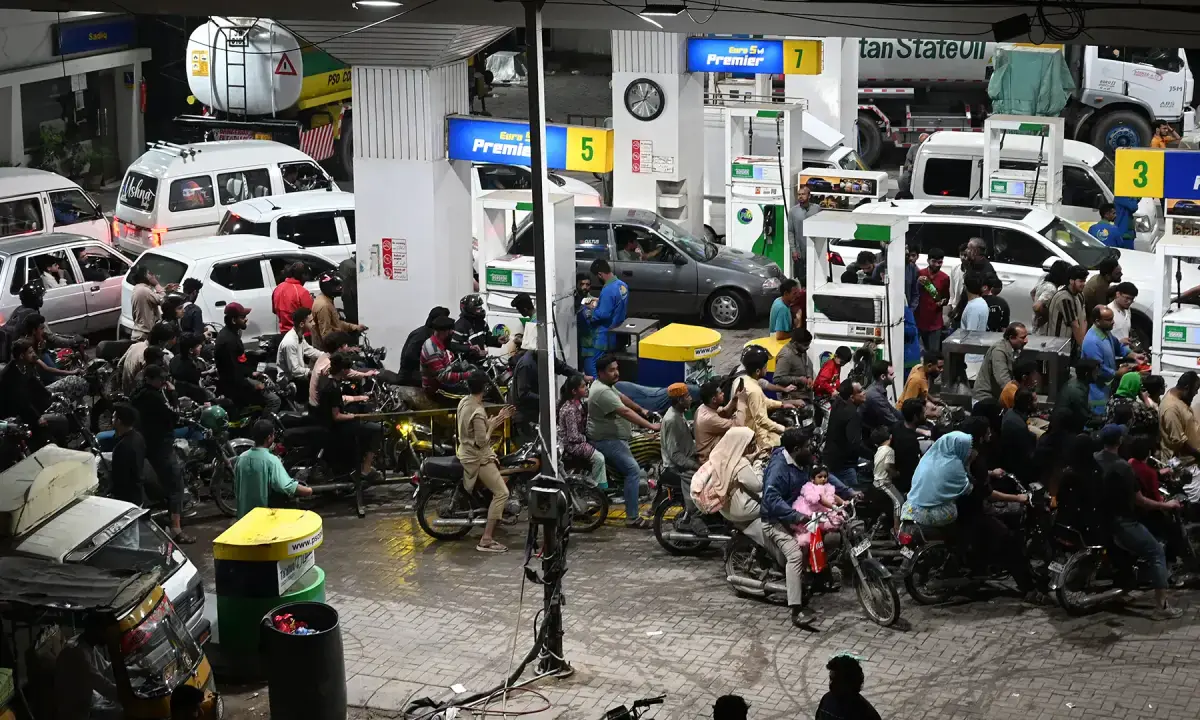
A primary driver behind the improved revenue numbers was a surge in petroleum levy collections, which climbed 29 percent year-on-year to hit an all-time high of Rs1.567 trillion. The substantial collection coincided with elevated retail fuel prices across the domestic market, providing significant fiscal support to the national exchequer.
National accounts also registered a historic primary surplus of 2.9 percent of GDP for the fiscal period. This fiscal consolidation occurred even as total administrative expenditure for running the civil government rose by 16 percent, breaching the Rs1 trillion mark for the first time despite ongoing austerity and restructuring efforts.
Meanwhile, defense spending recorded an 18 percent increase over the previous fiscal period, according to the official annual report on fiscal operations. Reports from Dawn Business highlight that strong provincial spending constraints and reduced net interest outlays ultimately helped absorb expenditure increases, keeping broader macroeconomic targets on track.
Frequently asked questions
- What was Pakistan's fiscal deficit in FY26?
- Pakistan recorded a fiscal deficit of 2.6 percent of GDP in FY26, marking its lowest ratio since FY03.
- How much revenue was collected through the petroleum levy?
- The petroleum levy generated a record Rs1.567 trillion in FY26, registering a 29 percent increase year-on-year.
- Did civil government expenditures decrease during FY26?
- No, civil government running costs rose by 16 percent, crossing the Rs1 trillion mark for the first time despite austerity measures.
Source & transparency
- By:
- The Reviser Desk
- Source:
- Dawn Business
- Original publication:
- Aug 14, 2026, 2:23 AM
- The Reviser publication:
- Aug 14, 2026, 2:23 AM
- Updated:
- Aug 14, 2026, 2:32 AM
This report was independently written by The Reviser editorial desk from verified source material. It is not original on-the-ground reporting by The Reviser.
Related stories
INFLATION RISES TO 9.29%
Pakistan Weekly Inflation Rises 9.29% as Food Costs Surge
AI summaryWeekly inflation in Pakistan increased by 9.29 percent year-on-year, primarily propelled by rising costs for wheat flour, edible oil, and fuel transport. Meanwhile, federal authorities have ordered a nationwide quality audit of loose food products following high failure rates in packaged food testing.

FX RESERVES TO HIT $21.1B
SBP Projects Pakistan FX Reserves to Reach $21.1 Billion by FY27
AI summaryThe State Bank of Pakistan expects central bank foreign exchange reserves to expand significantly, reaching $21.1 billion by the close of fiscal year 2027. This growth relies on anticipated increases in worker remittances, stronger export performance, and incoming official financial support, though global economic and climate risks remain.

REMITTANCES HIT $3.63B
Pakistan Worker Remittances Inflow Hits $3.63B in July 2026
AI summaryInflows from overseas Pakistani workers rose to $3.631 billion in July 2026, marking a 13% year-on-year expansion according to State Bank of Pakistan figures. The monthly growth follows a 9% increase in total worker remittances across fiscal year 2026, which reached $41.6 billion.
REDEFINING ECONOMIC GROWTH METRICS
Bank of Punjab CEO Urges Move Toward Welfare GDP
AI summaryBank of Punjab chief executive Zafar Masud has proposed replacing traditional headline GDP metrics with a comprehensive 'Welfare GDP' indicator. Speaking at an Islamabad think tank, he argued that standard growth figures fail to accurately reflect the lived financial reality of ordinary Pakistanis.