Karachi Minority March Demands End to Religious Bias
Activists Rally in Karachi to Demand Constitutional Protections for Minorities
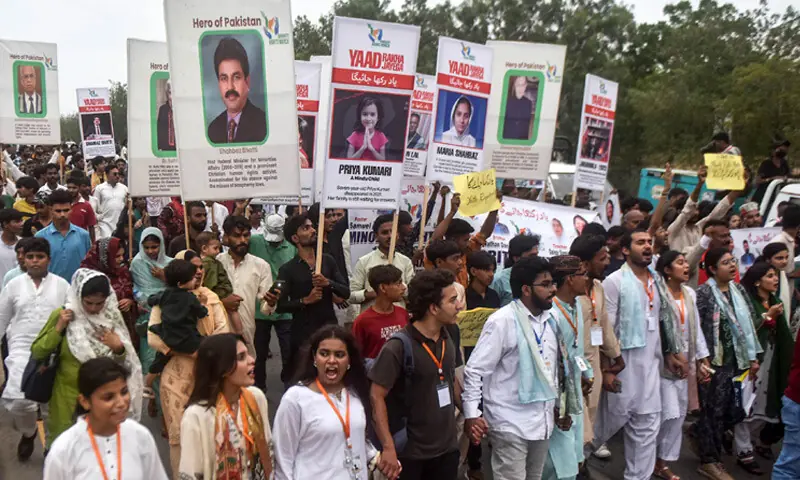
KARACHI MINORITY RIGHTS MARCH DEMANDS
Illustration concept: A peaceful public rally in Karachi featuring human rights activists holding banners advocating for religious freedom and minority rights, with the iconic Quaid-i-Azam mausoleum visible in the soft daylight background.
AI summary
Human rights activists gathered near Quaid-i-Azam’s mausoleum in Karachi for the annual Minority Rights March to demand constitutional safeguards for non-Muslim communities. Participants invoked Mohammad Ali Jinnah's historic 1947 address, highlighting ongoing issues such as forced conversions, worship place desecration, and blasphemy law abuse.
Why this matters
Despite constitutional guarantees of equality, non-Muslim citizens in Pakistan continue to face systemic prejudice, physical threats, and institutional neglect. The advocacy around National Minorities Day highlights the pressing necessity for legal enforcement against forced conversions and blasphemy law abuse to ensure fundamental human rights for all citizens.
Key takeaways
- Activists convened in Karachi for the Minority Rights March outside Jinnah's mausoleum.
- The demonstration coincided with National Minorities Day, commemorating Jinnah's August 11, 1947 speech.
- Speakers including Sheema Kermani highlighted that religious minorities still lack basic rights promised 79 years ago.
- Rights advocate Luke Victor cited threats including forced conversions, blasphemy law misuse, and worship place desecration.
Activists and citizens assembled in Karachi for the Minority Rights March, calling for an immediate end to religion-based discrimination and demanding robust state protection for vulnerable non-Muslim communities across the country. The demonstration took place outside the closed Bab-i-Tanzeem gate of Quaid-i-Azam Mohammad Ali Jinnah’s mausoleum.
According to reports from Dawn Pakistan, the annual gathering coincided with National Minorities Day, observed on August 11. The date marks the historic address delivered by Pakistan's founding leader to the Constituent Assembly in 1947, in which he outlined a vision of complete religious liberty, citizenship equality, and the institutional separation of faith from state governance.
Addressing the demonstration, humanitarian and classical dancer Sheema Kermani recited passages from Jinnah's foundational address. She pointed out that nearly eight decades after the state's creation, non-Muslim populations are still advocating for the basic rights and equal status originally promised to them at independence.
Minority rights advocate Luke Victor outlined the worsening security and social challenges confronting non-Muslim groups. He called attention to rising incidents of targeted violence, illegal occupation and desecration of places of worship, and widespread exclusion within academic institutions and formal employment markets.
Victor further condemned severe human rights violations against minority communities, including forced abductions, the coercive conversion and marriage of underage girls, and the habitual misuse of blasphemy statutes to resolve personal rivalries. Demonstrators urged lawmakers to implement effective statutory mechanisms to uphold equal rights and safeguard marginalized groups.
Frequently asked questions
- What was the purpose of the Minority Rights March in Karachi?
- The rally aimed to highlight systemic discrimination against non-Muslim communities and demand legal protection, social equality, and an end to religious persecution in Pakistan.
- Why is August 11 significant to Pakistan's minority communities?
- August 11 marks National Minorities Day, commemorating Quaid-i-Azam Mohammad Ali Jinnah's 1947 address to the Constituent Assembly where he promised religious freedom and equal citizenship to all.
- Which specific issues were raised by activists at the rally?
- Activists highlighted forced conversions of minor girls, misuse of blasphemy laws, desecration of places of worship, workplace bias, and targeted violence against minorities.
Source & transparency
- By:
- The Reviser Desk
- Source:
- Dawn Pakistan
- Original publication:
- Aug 12, 2026, 3:27 AM
- The Reviser publication:
- Aug 12, 2026, 3:27 AM
- Updated:
- Aug 12, 2026, 3:30 AM
This report was independently written by The Reviser editorial desk from verified source material. It is not original on-the-ground reporting by The Reviser.
Related stories
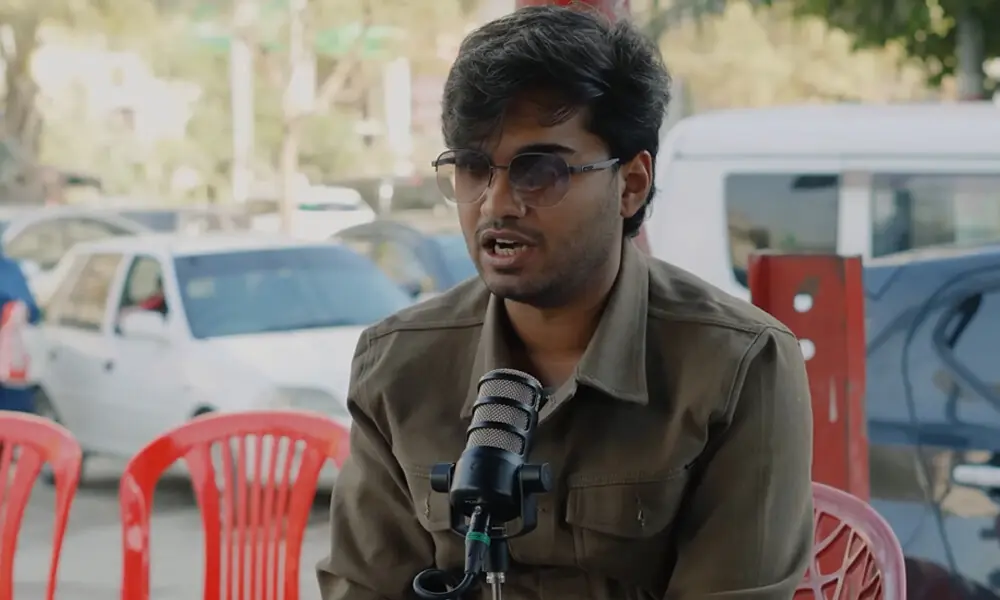
DNA TESTING BEGINS IN KARACHI
Forensic Lab Receives DNA in Mir Raza Murder Investigation
AI summaryForensic experts at the University of Karachi have begun analyzing six DNA samples linked to the murder investigation of Mir Raza Ali. The submission follows scrutiny over delays in transferring evidence collected during a recent exhumation to the laboratory.
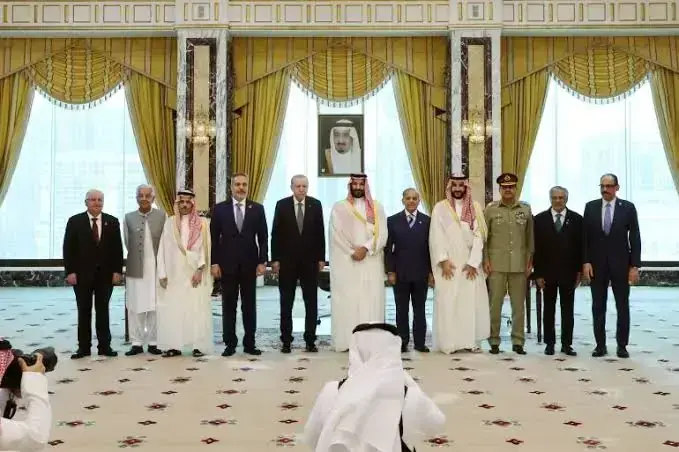
MAKKAH PACT CELEBRATED
Sindh Energy Department Marks Makkah Joint Defence Pact
AI summaryOfficials from the Sindh Energy Department gathered at the Sindh Transmission & Dispatch Company office in Karachi to celebrate the trilateral Makkah Joint Defence Pact. The event featured senior provincial leadership expressing commitment to regional security and diplomatic ties between Pakistan, Saudi Arabia, and Türkiye.

FREIGHT STRIKE CONTINUES IN PAKISTAN
Pakistan Goods Transporters Strike Continues as Talks Fail
AI summaryDiscussions between the federal government and the All Pakistan Goods Transport Itehad ended on Tuesday without resolving key grievances, including daily fuel price adjustments. Consequently, transporters confirmed that their nationwide wheel-jam strike will persist until all formal demands are addressed.
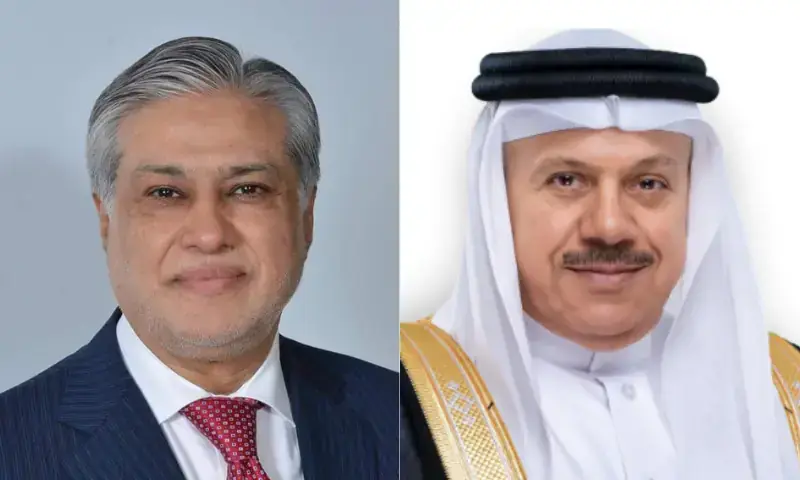
BAHRAIN HAILS MAKKAH PACT
Bahrain FM Praises Pakistan Over Trilateral Defense Pact
AI summaryBahrain Foreign Minister Dr Abdullatif bin Rashid Al Zayani congratulated Pakistani counterpart Ishaq Dar on the signing of the Makkah Joint Defence Agreement. During a telephone call, the Bahraini diplomat also expressed an intention to make an official visit to Pakistan in the near future.