Japan Defense Minister Visits Yasukuni Shrine, Drawing Protests
Japanese Minister Visits Controversial War Shrine on WWII Anniversary

JAPAN SHRINE VISIT SPARKS ANGER
Illustration concept: A respectful wide shot of the traditional wooden torii gate leading into Tokyo's Yasukuni Shrine under an overcast morning sky.
AI summary
Japanese Defence Minister Koizumi visited Tokyo's Yasukuni Shrine on the 81st anniversary of Japan's surrender in World War II. The visit drew swift condemnation from China and South Korea, which view the site as a symbol of past aggression.
Why this matters
The Yasukuni Shrine honors Japan's war dead alongside convicted war criminals, making official visits a recurrent trigger for regional diplomatic strain. Understanding these historical friction points is crucial for evaluating modern security cooperation and diplomatic relations across East Asia.
Key takeaways
- Japanese Defence Minister Koizumi visited Yasukuni Shrine on the 81st WWII surrender anniversary.
- The visit sparked immediate diplomatic backlash from neighboring China and South Korea.
- Yasukuni Shrine honors Japan's war dead, including individuals convicted of World War II war crimes.
- Historical grievances continue to complicate contemporary geopolitical ties across East Asia.
Japanese Defence Minister Koizumi visited the Yasukuni Shrine on the 81st anniversary of Japan’s surrender in World War II, sparking diplomatic backlash from neighboring countries, as reported by Al Jazeera. The visit to the memorial site in Tokyo took place during national commemorations marking the end of the conflict in 1945.
The Yasukuni Shrine remains a deeply controversial location because it honors Japan's war dead, including individuals convicted of war crimes by international tribunals following the Second World War. Consequently, official pilgrimages by high-ranking cabinet members routinely draw strong objections from East Asian nations that suffered under Japanese wartime expansion.
Following the visit, both China and South Korea expressed sharp disapproval over the defense minister's presence at the site. Officials in Beijing and Seoul consistently view visits to Yasukuni by prominent Japanese political figures as an insult to wartime victims and an indication of unaddressed historical grievances.
Proponents of shrine visits among Japanese conservatives contend that honors paid at the sanctuary are intended solely to pay respect to those who died in service of their country. They argue that such visits represent a traditional sovereign right of national remembrance rather than an endorsement of past militarism.
Nevertheless, Koizumi’s decision to attend the shrine on the exact date of Japan's World War II surrender underscores the fragile nature of diplomatic relations in the region. The incident serves as a clear reminder of how WWII legacy issues continue to impact modern East Asian geopolitics.
Frequently asked questions
- Why did Defence Minister Koizumi visit the Yasukuni Shrine?
- Koizumi visited the shrine on the 81st anniversary of Japan's surrender in World War II to pay respects to the country's war dead.
- Why are China and South Korea angered by visits to Yasukuni Shrine?
- Both nations view the shrine as a symbol of Japanese wartime aggression because it honors convicted World War II war criminals alongside other soldiers.
Source & transparency
- By:
- The Reviser Desk
- Source:
- Al Jazeera
- Original publication:
- Aug 15, 2026, 11:09 AM
- The Reviser publication:
- Aug 15, 2026, 11:09 AM
- Updated:
- Aug 15, 2026, 11:32 AM
This report was independently written by The Reviser editorial desk from verified source material. It is not original on-the-ground reporting by The Reviser.
Related stories

TAIWAN BLOCKADE THREATS EXAMINED
Taiwan Evaluates Blockade Threats Amid Iran, Ukraine Wars
AI summaryTaiwan's defense posture faces new scrutiny as ongoing global conflicts in Ukraine and Iran reveal evolving military strategies. Analysts and observers are examining whether China might adapt maritime blockade tactics similar to those demonstrated in recent regional crises.

GUN BUYBACK IN NSW
New South Wales Launches Gun Buyback Following Bondi Beach Attack
AI summaryAuthorities in New South Wales have announced a financial buyback program for firearm owners following a violent attack at Bondi Beach. The initiative aims to reduce the number of guns in circulation across the state by offering direct cash compensation.

TARIFF RELIEF FOR COLOMBIA
Colombia Requests US Tariff Relief Following $6.4B Earthquake
AI summaryColombia has formally requested that US President Donald Trump suspend recently renewed tariffs to assist the South American country during its disaster recovery efforts. The nation is currently coping with the aftermath of a severe earthquake that is expected to cost around $6.4 billion in reconstruction.
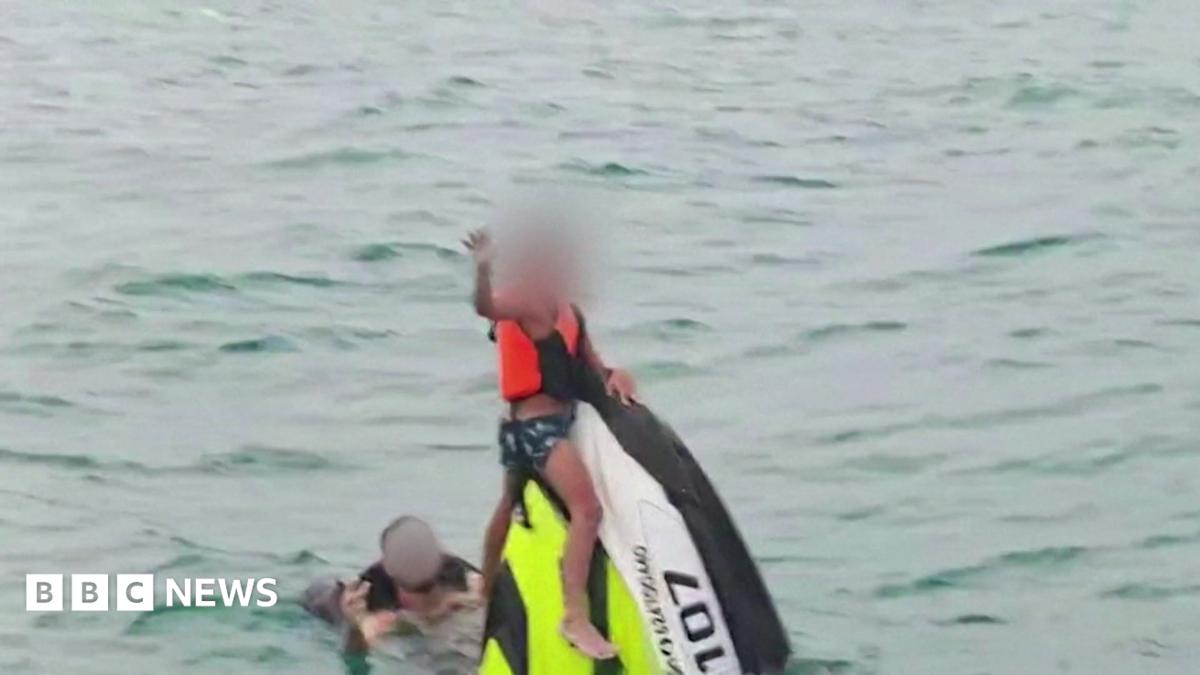
16 HOURS ADRIFT RESCUED
Father and Sons Rescued After 16 Hours Adrift Off Thai Coast
AI summaryA father and his two young sons were rescued after spending 16 hours stranded at sea off Koh Samui island in Thailand. The family was left adrift overnight when their jet ski capsized in coastal waters, according to BBC World.