Iran and Oman Reach Framework Deal on Strait of Hormuz
Tehran Signals Progress with Muscat on Vital Hormuz Waterway
HORMUZ DEAL IN PROGRESS
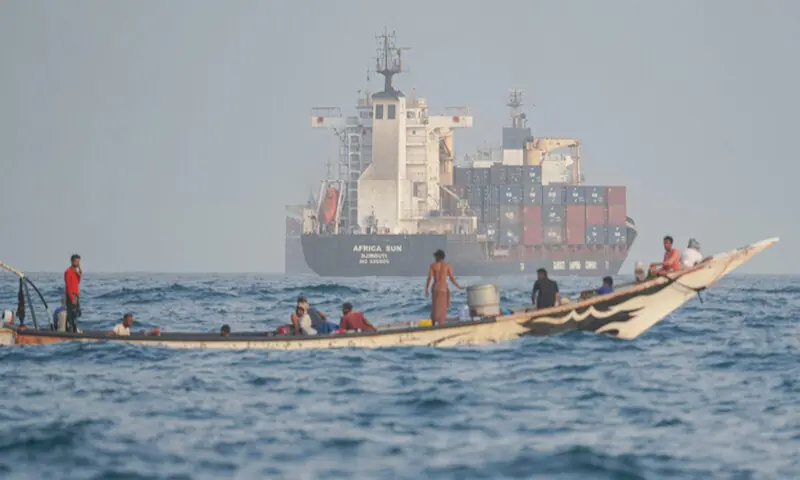
Illustration concept: A dramatic wide-angle shot of a large crude oil tanker navigating through a narrow sea strait at dusk, dramatic orange and grey sky, subtle silhouette of coastline in the distance, photorealistic news style.
AI summary
Iranian officials announced a preliminary framework of understanding with Oman regarding maritime arrangements in the Strait of Hormuz. The diplomatic movement comes as regional conflict severely hampers commercial shipping through the vital energy corridor.
Key takeaways
- Iran and Oman have established a general framework of understanding regarding the Strait of Hormuz.
- Final details of the bilateral agreement await high-level authorization in Tehran.
- Commercial shipping through the vital oil transit route has plummeted due to expanding regional hostilities.
- Regional energy firms, including Abu Dhabi's state oil producer, report operational strains from maritime attacks.
Tehran and Muscat have established a preliminary framework of understanding regarding maritime security and navigation through the Strait of Hormuz, according to Iranian legislative officials. The diplomatic progress emerges against a backdrop of escalating regional hostilities that have severely restricted international shipping traffic through the crucial energy passageway.
Hassan Ghashghavi, a spokesperson for the Iranian parliament's National Security Commission, confirmed that while the overarching parameters of the arrangement with Oman have been settled, fine details remain subject to high-level official approval before a final agreement is publicised. The proposed bilateral initiative aims to address operational protocol along the shared maritime border.
The development follows a dramatic slowdown in commercial tanker traffic traversing the narrow waterway, which ordinarily accounts for roughly twenty percent of the world's petroleum supply. Recent security incidents and direct military exchanges involving the United States, Israel, and Iran have sent maritime insurance rates soaring and prompted major shipping lines to reroute vessels away from the Persian Gulf.
The commercial fallout is reverberating across the Gulf region, with regional energy producers reporting operational disruptions due to maritime security risks. In Abu Dhabi, state oil executives acknowledged that recent strikes on merchant vessels in nearby waters have complicated logistics and export operations.
Despite active military hostilities across the broader region, Iranian diplomatic envoys stressed that negotiations must persist alongside armed conflict. Iranian foreign ministry officials reiterated that open diplomatic channels with neighboring Gulf states remain essential to managing maritime friction and preventing complete economic paralysis in the strategic choke point.
Frequently asked questions
- What is the newly reported agreement between Iran and Oman?
- It is a preliminary framework of understanding regarding operational arrangements and security in the Strait of Hormuz, with full details pending high-level approval.
- Why is the Strait of Hormuz critical to global trade?
- The narrow waterway serves as a vital shipping corridor responsible for transporting approximately one-fifth of global petroleum supplies.
- How have recent regional conflicts affected shipping in the area?
- Escalating military action and attacks on commercial vessels have reduced tanker traffic, raised freight and insurance costs, and disrupted operations for regional oil exporters.
Source & transparency
- By:
- Mikle
- Source:
- Dawn World
- The Reviser publication:
- Aug 8, 2026, 2:35 AM
- Updated:
- Aug 8, 2026, 1:01 PM
This report was independently written by The Reviser editorial desk from verified source material. It is not original on-the-ground reporting by The Reviser.
Related articles
KURDISTAN REJECTS WAR INVOLVEMENT
Kurdish Iraq Seeks Neutrality Amid Regional Clashes
AI summaryKurdistan Regional Government Prime Minister Masrour Barzani stated that Iraqi Kurdistan intends to remain neutral in escalating Middle Eastern conflicts. Speaking to Al Jazeera, Barzani affirmed that no external pressure has been placed on the region to participate in hostilities concerning Iran, despite facing more than 1,000 attacks.

ASTRA DEVELOPMENT HALTED
OpenAI Halts Some Astra AI Work Over Cyber Risk Fears
AI summaryInternal development on OpenAI's next-generation model, Astra, has been partially suspended following fears it may possess advanced cyberattack capabilities. The precautionary measures were enacted under safety guidelines after concerns arose that the system could autonomously discover and exploit severe software vulnerabilities.
HORMUZ DEAL NEARLY CLOSED
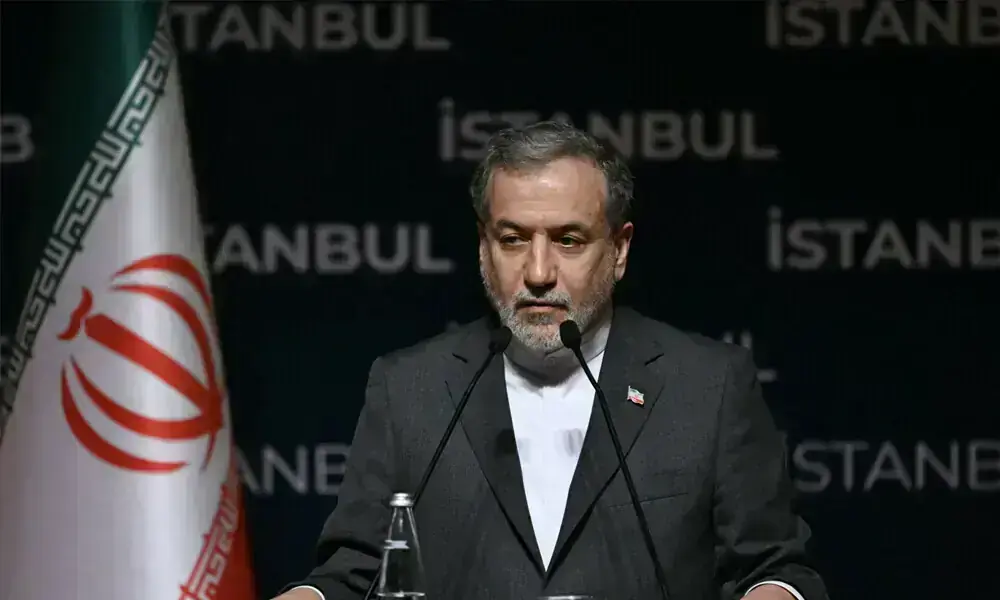
Iran-Oman Strait of Hormuz Deal Nears But Reopening Delayed
AI summaryIran and Oman are closing in on an agreement regarding maritime routes through the Strait of Hormuz, though Tehran insists the waterway will remain restricted without US compensation. Meanwhile, fresh security incidents in the region highlight the lingering volatility threatening global energy supplies.

BLANCHE CONFIRMED AS US AG
Todd Blanche Confirmed as US Attorney General in Tight Vote
AI summaryThe United States Senate has narrowly confirmed Todd Blanche, Donald Trump's former defense lawyer, as the nation's top law enforcement official. The confirmation succeeded despite resistance from a small number of Republican senators.