How Tokenization Solves Market Settlement Friction: LMAX
Capital Efficiency and Tokenization: LMAX Group Executive Highlights Settlement Friction

TRAPPED CAPITAL & TOKENIZATION
Illustration concept: A futuristic digital depiction of global financial plumbing, showing streams of glowing tokenized data flowing through high-speed glass conduits connecting stock tickers, trading desks, and digital currency vaults, cinematic lighting, photorealistic.
AI summary
LMAX Group executive Jenna Wright has highlighted that financial market breakdowns often stem from capital trapped in rigid settlement cycles rather than an absolute lack of liquidity. Writing in CoinDesk, Wright pointed to stablecoins and real-world asset tokenization as modern infrastructure capable of aligning capital velocity with rapid market repricing.
Why this matters
Sluggish settlement times create systemic vulnerabilities during high-volatility events, stranding capital when liquidity is needed most. As digital assets mature, traditional financial institutions are increasingly evaluating tokenization to streamline liquidity management across global markets. This transition could fundamentally alter how institutions mitigate counterparty risk and allocate capital during market stress.
Key takeaways
- Market failures often result from capital trapped in settlement cycles rather than liquidity shortages.
- Rapid asset repricing clashes with traditional multi-day clearing and settlement timelines.
- Stablecoins and tokenization provide near-instantaneous settlement capabilities for institutional capital.
- LMAX Group's Jenna Wright emphasizes digital assets as vital modern financial plumbing.
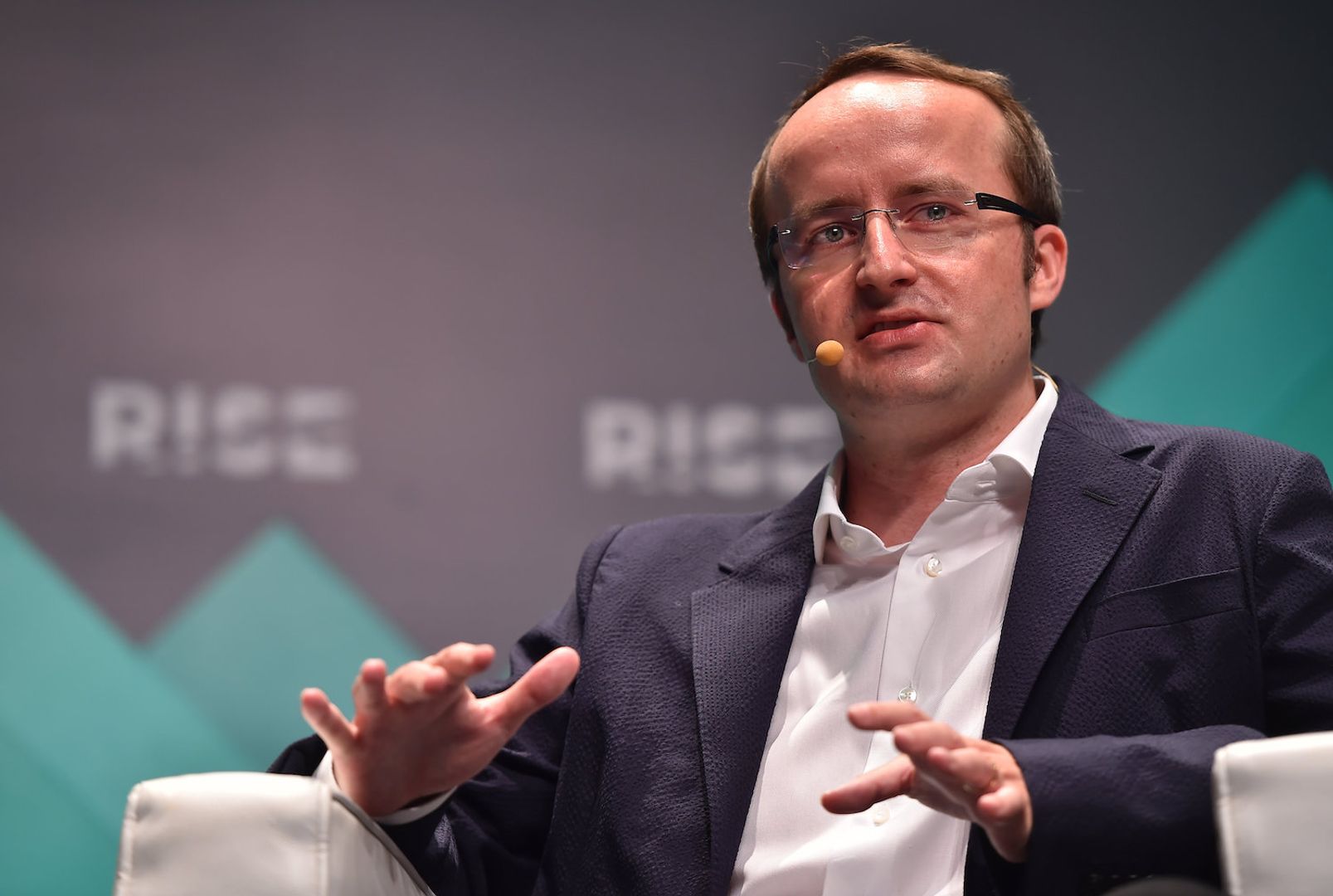
According to reports from CoinDesk, financial market volatility often exposes structural flaws in how capital moves across global trading venues. Jenna Wright, an executive at institutional exchange operator LMAX Group, highlighted that systemic disruptions frequently occur not due to a scarcity of capital, but because available liquidity becomes immobilized by legacy settlement frameworks.
During periods of intense market rebalancing, asset values can reprice in minutes, whereas traditional clearing and settlement protocols can take hours or days to finalize transactions. This operational mismatch leaves capital temporarily trapped in the wrong jurisdictions or asset classes, compounding liquidity strains for institutional market participants.
To resolve these operational bottlenecks, Wright pointed to blockchain-based instruments, specifically stablecoins and asset tokenization. Rather than serving purely as speculative instruments, these digital mechanisms are increasingly operating as foundational financial plumbing designed to facilitate near-instantaneous transfers.
By replacing sluggish transfer systems with tokenized infrastructure, capital velocity can match the speed at which financial risk is calculated and traded. As institutional adoption expands, tokenized real-world assets and fiat-backed stablecoins are expected to play a crucial role in modernizing global capital allocation and risk management strategies.
Frequently asked questions
- What causes liquidity bottlenecks during financial market stress?
- According to LMAX Group's Jenna Wright, market stress often traps capital in legacy settlement cycles, preventing money from moving quickly to where risk is repricing.
- How do stablecoins and tokenization improve market efficiency?
- Tokenization and stablecoins enable near-instant settlement, allowing institutional capital to move as rapidly as market risk shifts.
- What role does LMAX Group play in digital asset markets?
- LMAX Group is an institutional trading exchange operator whose leadership analyzes financial market structure, liquidity, and trading infrastructure.
Source & transparency
- By:
- The Reviser Desk
- Source:
- CoinDesk
- Original publication:
- Aug 12, 2026, 2:51 PM
- The Reviser publication:
- Aug 12, 2026, 2:51 PM
- Updated:
- Aug 12, 2026, 3:01 PM
This report was independently written by The Reviser editorial desk from verified source material. It is not original on-the-ground reporting by The Reviser.
Related stories
TOKENIZED STOCKS ON CRYPTO.COM
Crypto.com Launches Tokenized Equity Derivatives Market
AI summaryCrypto.com has introduced tokenized stock derivatives as digital asset platforms increasingly venture into traditional equity markets. According to CoinDesk, the newly launched products provide traders with price exposure to equities rather than actual share ownership.

MINERS SELL $1.78B BITCOIN
Public Bitcoin Miners Drive $1.78B in Market Selling Pressure
AI summaryPublicly traded bitcoin mining operations have generated $1.78 billion in selling pressure on the cryptocurrency market, according to reporting by CoinDesk. Industry analysts highlight these institutional miners as an overlooked source of marginal supply currently impacting price dynamics.
XRP FUTURES SPIKE HIGH
XRP Futures Activity Hits Highest Level Since October Ahead of CPI
AI summaryOpen interest in XRP futures contracts has climbed to its highest level since October ahead of the upcoming Consumer Price Index report. According to CoinDesk, the spike in derivative positions suggests traders are preparing for sharp price moves following the economic release.

DEMOCRATS SHAPE CRYPTO LAWS
Democrat Lawmakers Prepare to Influence Future Crypto Policy
AI summaryPotential revisions to United States cryptocurrency legislation could place prominent Democratic lawmakers in influential drafting roles. According to CoinDesk reports, these key figures generally view the digital asset sector with skepticism and caution.