How Israel's Occupation Drives Palestinian Resistance
Cycle of Violence: How Israel's Policy of Subjugation Feeds Ongoing Resistance
CYCLE OF RESISTANCE EXPLAINED
Illustration concept: A wide-angle conceptual image representing conflict and division in the Middle East, depicting a dramatic sky over a rugged border landscape with concrete barriers and olive trees under soft evening light, photojournalistic style.
AI summary
A recent analysis highlights how Israel's prolonged military control over Palestinian territories continuously fuels armed and political resistance. Analysts argue that by relying on military dominance rather than addressing root causes, the state remains trapped in a persistent cycle of conflict.
Key takeaways
- Continuous military control and territorial expansion fuel sustained Palestinian opposition.
- Tactical security measures fail to eliminate resistance without addressing core grievances.
- Enforced authority creates a self-reinforcing feedback loop of confrontation and escalation.
- Long-term regional stability remains unattainable without addressing self-determination.
Decades of military dominance and territorial expansion have increasingly locked the region into a self-perpetuating storm of conflict. According to an analytical perspective published by Al Jazeera, the ongoing Palestinian armed and political opposition to Israeli authority is a direct consequence of long-standing policies of control and disenfranchisement. Rather than neutralizing dissent, persistent security measures appear to generate the very pushback they aim to eradicate.
The mechanism behind this dynamic lies in the daily realities experienced by populations under occupation. Restricted movement, expanding settlement infrastructure, and periodic military actions deepen popular grievances across the occupied territories. Observers note that these conditions naturally foster an environment where various forms of resistance gain traction among successive generations.
For Israeli strategists, relying primarily on defense hardware and preemptive raids has historically served as a tactical containment strategy. However, critical assessments suggest this approach fails to break the overarching loop of confrontation. By treating the symptoms of unrest rather than addressing the core issues of political self-determination and civil rights, security policies inadvertently reinforce the momentum of opposing groups.
The resulting impasse leaves both sides constrained by a predictable pattern of escalation. As localized friction sparks broader confrontations, hardline policies are often redoubled in response, which in turn solidifies Palestinian resolve to contest the status quo. This structural feedback loop demonstrates the limitations of attempting to maintain long-term stability solely through enforced territorial authority.
Ultimately, regional specialists emphasize that durable security cannot be built on the foundation of indefinite control over an unconsenting populace. Until the fundamental drivers of disenfranchisement and territorial friction are confronted through substantive political avenues, the destructive cycle between state security apparatuses and grassroots resistance will likely persist.
Frequently asked questions
- What is the primary argument regarding Israel's occupation and resistance?
- The core thesis argues that prolonged military subjugation and territorial restriction naturally foster Palestinian resistance, creating a cycle of violence that military force alone cannot resolve.
- Why do analysts view security containment as ineffective long-term?
- Relying strictly on security operations addresses symptoms rather than root grievances, which often increases popular resentment and strengthens opposition movements over time.
- What approach do regional observers suggest to break the cycle?
- Experts suggest that breaking the cycle requires addressing political self-determination, human rights, and the core drivers of conflict rather than relying solely on military enforcement.
Source & transparency
- By:
- Mikle
- Source:
- Al Jazeera
- The Reviser publication:
- Aug 8, 2026, 10:40 AM
- Updated:
- Aug 8, 2026, 12:31 PM
This report was independently written by The Reviser editorial desk from verified source material. It is not original on-the-ground reporting by The Reviser.
Related articles
KURDISTAN REJECTS WAR INVOLVEMENT
Kurdish Iraq Seeks Neutrality Amid Regional Clashes
AI summaryKurdistan Regional Government Prime Minister Masrour Barzani stated that Iraqi Kurdistan intends to remain neutral in escalating Middle Eastern conflicts. Speaking to Al Jazeera, Barzani affirmed that no external pressure has been placed on the region to participate in hostilities concerning Iran, despite facing more than 1,000 attacks.

ASTRA DEVELOPMENT HALTED
OpenAI Halts Some Astra AI Work Over Cyber Risk Fears
AI summaryInternal development on OpenAI's next-generation model, Astra, has been partially suspended following fears it may possess advanced cyberattack capabilities. The precautionary measures were enacted under safety guidelines after concerns arose that the system could autonomously discover and exploit severe software vulnerabilities.
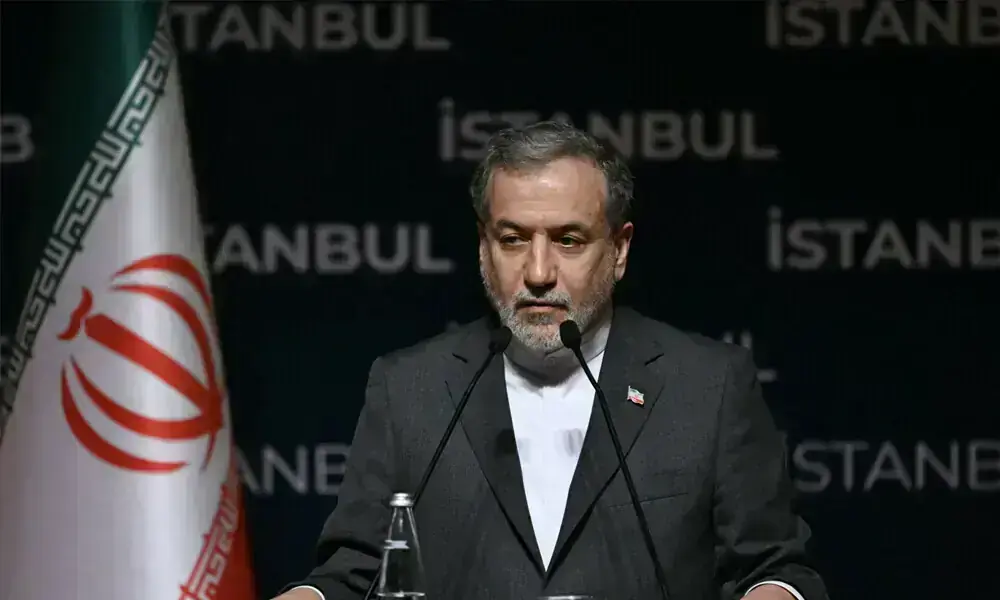
HORMUZ DEAL NEARLY CLOSED
Iran-Oman Strait of Hormuz Deal Nears But Reopening Delayed
AI summaryIran and Oman are closing in on an agreement regarding maritime routes through the Strait of Hormuz, though Tehran insists the waterway will remain restricted without US compensation. Meanwhile, fresh security incidents in the region highlight the lingering volatility threatening global energy supplies.

BLANCHE CONFIRMED AS US AG
Todd Blanche Confirmed as US Attorney General in Tight Vote
AI summaryThe United States Senate has narrowly confirmed Todd Blanche, Donald Trump's former defense lawyer, as the nation's top law enforcement official. The confirmation succeeded despite resistance from a small number of Republican senators.