Finding Syria's Infamous 'Spider' Spy Chief
How a Decades-Old Phone Book Revealed a Syrian Spy Chief's Hideout
SYRIA'S MOST FEARED SPY UNCOVERED
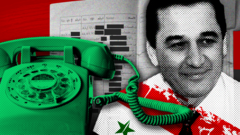
Illustration concept: A close-up of a weathered, yellowed vintage phone book open on a mahogany desk in a dark room, lit by a desk lamp, with a subtle silhouette of a man behind sheer curtains in the background.
AI summary
Investigative reporters managed to locate Syria's former top intelligence commander, notoriously known as 'The Spider,' using an old phone directory. The reclusive operative had gone into hiding after orchestrating years of regime surveillance and crackdowns under Bashar al-Assad.
Key takeaways
- A legacy physical phone directory was instrumental in discovering Syria's former intelligence commander.
- The operative, known as 'The Spider,' directed extensive surveillance and suppression under Bashar al-Assad.
- High-level Syrian intelligence officers have routinely attempted to erase their digital identities to evade tracking.
- Investigative journalists continue to utilize paper archives to locate former regime figures living in hiding.
An obscure physical phone directory proved to be the crucial piece of evidence that unveiled the secret location of one of Syria’s most notorious former intelligence commanders. Widely referred to as 'The Spider,' the senior operative had completely vanished from public view after directing key elements of the country's brutal security apparatus under President Bashar al-Assad.
For years, human rights researchers and investigative journalists struggled to trace high-ranking figures responsible for severe state violence in Syria. Many top-level officials deliberately obscured their identities or embedded themselves within elusive overseas networks, successfully removing their digital presence to avoid international legal action.
However, the breakthrough came through painstaking offline investigation. By cross-referencing legacy print documents and local phone listings, reporters assembled a physical trail of information that pointed directly to the reclusive commander's quiet sanctuary.
During his time in power, the official controlled an expansive surveillance web, earning his menacing moniker due to his extensive reach and unyielding suppression of domestic dissent. His command over state intelligence made him one of the most feared authority figures in the country during the conflict.
His eventual discovery underscores the persistent power of traditional investigative methods, demonstrating that even the most secretive intelligence leaders can leave behind quiet physical traces that ultimately disclose their whereabouts.
Frequently asked questions
- Who was the Syrian intelligence figure known as 'The Spider'?
- He was a feared commander in Syria's state security apparatus responsible for overseeing widespread surveillance and political crackdowns.
- How did investigators track down the former spy chief?
- Reporters used physical paper records and an old phone directory to trace local leads back to his quiet hiding spot.
- Why did former regime officials go into hiding?
- Following years of war crimes allegations and international scrutiny, many Syrian security leaders went underground to avoid accountability.
Source & transparency
- By:
- Mikle
- Source:
- BBC World
- The Reviser publication:
- Aug 7, 2026, 11:23 PM
- Updated:
- Aug 8, 2026, 9:51 AM
This report was independently written by The Reviser editorial desk from verified source material. It is not original on-the-ground reporting by The Reviser.
Related articles
KURDISTAN REJECTS WAR INVOLVEMENT
Kurdish Iraq Seeks Neutrality Amid Regional Clashes
AI summaryKurdistan Regional Government Prime Minister Masrour Barzani stated that Iraqi Kurdistan intends to remain neutral in escalating Middle Eastern conflicts. Speaking to Al Jazeera, Barzani affirmed that no external pressure has been placed on the region to participate in hostilities concerning Iran, despite facing more than 1,000 attacks.

ASTRA DEVELOPMENT HALTED
OpenAI Halts Some Astra AI Work Over Cyber Risk Fears
AI summaryInternal development on OpenAI's next-generation model, Astra, has been partially suspended following fears it may possess advanced cyberattack capabilities. The precautionary measures were enacted under safety guidelines after concerns arose that the system could autonomously discover and exploit severe software vulnerabilities.
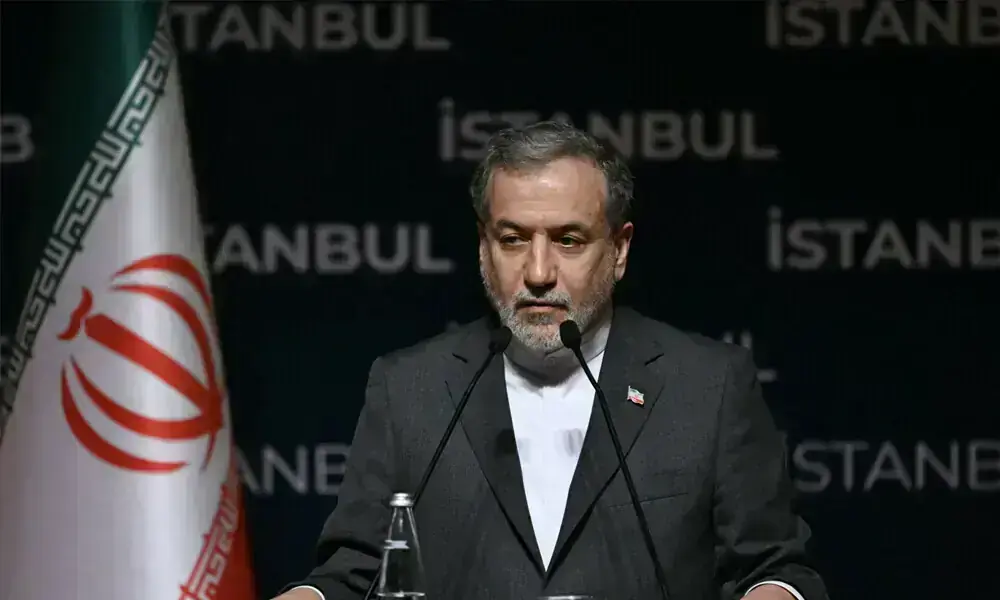
HORMUZ DEAL NEARLY CLOSED
Iran-Oman Strait of Hormuz Deal Nears But Reopening Delayed
AI summaryIran and Oman are closing in on an agreement regarding maritime routes through the Strait of Hormuz, though Tehran insists the waterway will remain restricted without US compensation. Meanwhile, fresh security incidents in the region highlight the lingering volatility threatening global energy supplies.
BLANCHE CONFIRMED AS US AG
Todd Blanche Confirmed as US Attorney General in Tight Vote
AI summaryThe United States Senate has narrowly confirmed Todd Blanche, Donald Trump's former defense lawyer, as the nation's top law enforcement official. The confirmation succeeded despite resistance from a small number of Republican senators.