Black Sea Attacks Drive Down Russian and Ukrainian Grain Exports
Attacks on Black Sea Ports Cause Falling Grain Exports for Russia and Ukraine

GRAIN EXPORTS DROPPING FAST
Illustration concept: A dramatic wide-angle shot of a cargo port in the Black Sea at dusk, featuring industrial grain silos, cargo ships docked near calm waters, and subtle smoke rising in the distance under an overcast sky.
AI summary
Ongoing military strikes targeting port facilities in the Black Sea have disrupted maritime trade routes for Eastern Europe's main agricultural producers. Consequently, grain exports from both Ukraine and Russia are experiencing a marked decline as infrastructure suffers damage.
Why this matters
The Black Sea region serves as a vital corridor for global food supplies, particularly for nations reliant on imported wheat and staple grains. Persistent hostilities targeting shipping infrastructure threaten international market stability and raise concerns over global food security and commodity price volatility.
Key takeaways
- Grain exports from both Russia and Ukraine are dropping due to strikes on maritime logistics.
- Attacks on Black Sea ports and shipping terminals have compromised key agricultural transport corridors.
- A major Russian grain terminal was targeted during recent maritime strikes in the Black Sea.
- Increased security risks at ports continue to disrupt loading operations and international commodity flows.
Maritime trade across the Black Sea faces worsening disruptions as military strikes hit critical port infrastructure and shipping hubs belonging to both Russia and Ukraine. According to reports from BBC World, the mutual targeting of maritime facilities has directly contributed to a downturn in grain exports from both nations.
The ongoing hostilities have increasingly impacted agricultural logistics, with recent actions striking key shipping infrastructure. Among the recent casualties in the region was a major Russian grain export terminal targeted during operations in the Black Sea area.
As both countries continue to strike each other's port infrastructure, logistics operators and shipping companies face growing risks navigating the vital waterway. The persistent strikes have hampered loading operations and created severe bottlenecks for international agricultural trade.
The resulting drop in export volumes highlights how vulnerable agricultural supply lines remain to armed conflict in the Black Sea. Industry observers warn that sustained disruptions could further strain global food supply chains if port attacks continue.
Frequently asked questions
- Why are grain exports declining from Russia and Ukraine?
- Exports are falling because both nations are actively attacking each other's shipping infrastructure and port facilities in the Black Sea region.
- What facilities have been hit in the recent attacks?
- Maritime shipping facilities and port infrastructure on both sides have been targeted, including a major Russian grain export terminal.
- Who reported the drop in grain exports?
- Reports regarding the port strikes and declining agricultural exports were published by BBC World.
Source & transparency
- By:
- The Reviser Desk
- Source:
- BBC World
- Original publication:
- Aug 12, 2026, 5:20 PM
- The Reviser publication:
- Aug 12, 2026, 5:20 PM
- Updated:
- Aug 12, 2026, 5:31 PM
This report was independently written by The Reviser editorial desk from verified source material. It is not original on-the-ground reporting by The Reviser.
Related stories
GRAIN EXPORTS DROP IN ATTACKS
Black Sea Port Attacks Trigger Drop in Grain Exports
AI summaryAgricultural exports from Russia and Ukraine are declining as both nations intensify military strikes on Black Sea shipping facilities. The reciprocal attacks have targeted critical port infrastructure, impacting major grain export terminals.
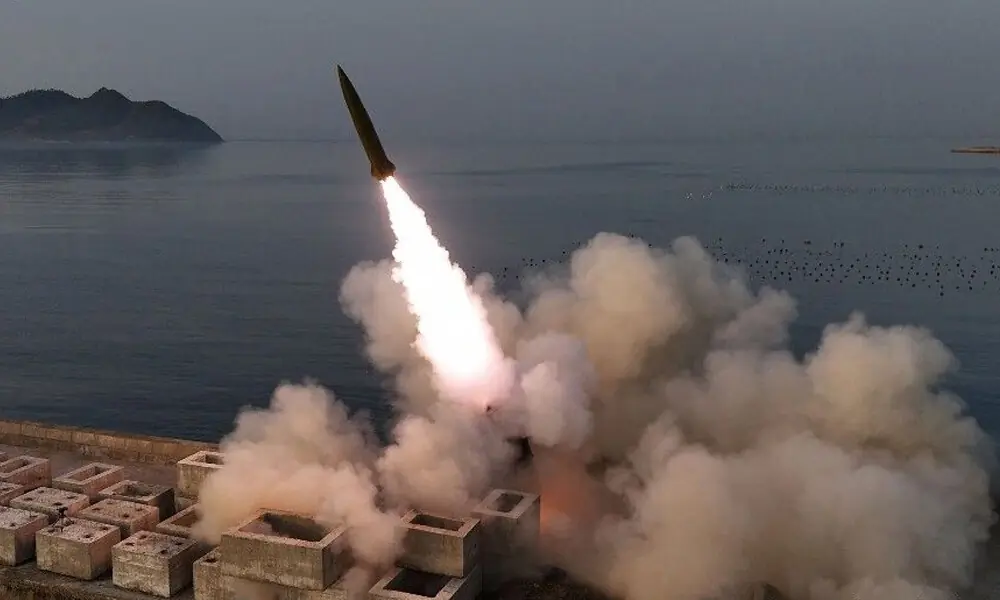
NORTH KOREA FIRES MISSILE
North Korea Launches Ballistic Missile Ahead of US Drill
AI summaryNorth Korea launched a ballistic missile from its eastern coast toward the Sea of Japan early Wednesday, according to military officials in Seoul and Tokyo. The launch comes just days before South Korea and the United States begin their annual 11-day joint military exercises.

ZHU RONGJI DIES AT 97
Former Chinese Premier Zhu Rongji Passes Away at Age 97
AI summaryFormer Chinese Premier Zhu Rongji, a central architect of China's economic transformation, has passed away at the age of 97. During his leadership, he spearheaded major market-oriented reforms and facilitated China's historic accession to the World Trade Organization.

DEADLY RED SEA STRIKE
Six Killed in Houthi Strike on Red Sea Military Cargo Ship
AI summaryYemen's Houthi movement reportedly executed a deadly Red Sea strike that killed six individuals on a vessel carrying Saudi military hardware. The assault represents the first fatal maritime strike by the group since hostilities involving the United States and Iran escalated.