Bitcoin BIP-110 Debate Highlights Market Capitalism Dynamics
How Bitcoin's BIP-110 Dispute Demonstrates Free Market Principles
BITCOIN BIP-110 MARKET DEBATE
Illustration concept: A digital illustration of the Bitcoin logo surrounded by interconnected decentralized network nodes, with glowing code representing BIP-110 against a dark financial chart background.
AI summary
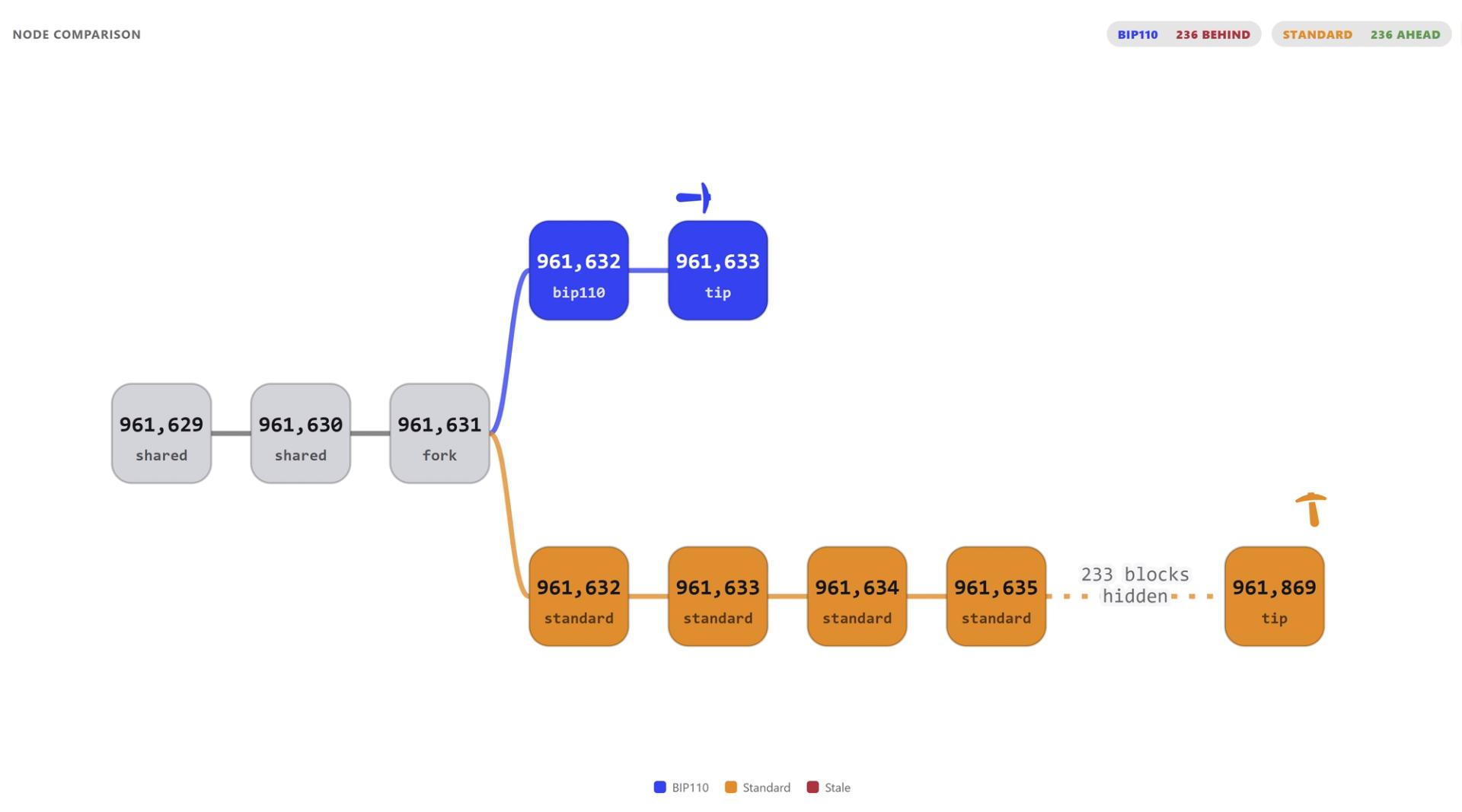
A major debate surrounding Bitcoin Improvement Proposal 110 (BIP-110) has highlighted the core free-market principles governing decentralized networks. According to reports from CoinDesk, the ongoing discussion illustrates how open competition and market consensus shape network governance.
Why this matters
Governance debates in Bitcoin directly influence node operations, miner incentives, and user adoption strategies across the broader cryptocurrency ecosystem. Understanding how economic consensus forms without central intervention provides critical insight into modern decentralized financial systems.
Key takeaways
- Bitcoin Improvement Proposal 110 (BIP-110) has sparked renewed debate over decentralized protocol governance.
- CoinDesk highlights the episode as a real-world demonstration of pure free-market capitalism in cryptocurrency.
- Network decisions depend entirely on voluntary consensus among miners, node operators, and software developers.
- The dispute illustrates how decentralized systems resolve governance challenges without centralized authority.
Debates over network governance continue to test the foundations of decentralized technology, with the controversy surrounding Bitcoin Improvement Proposal 110 (BIP-110) providing a vivid example of market-driven decision making. Reports from CoinDesk on August 10, 2026, frame the situation as a manifestation of unfiltered economic competition within open-source financial networks.
At the heart of the BIP-110 episode lies the ongoing tension between competing factions within the cryptocurrency community over proposed software adjustments. Rather than relying on corporate boards or regulatory authorities to enforce compliance, the proposal relies entirely on voluntary adoption by node operators, developers, and miners.
This dynamic showcases how participants align incentives through direct market participation. Proponents and critics must persuade the broader ecosystem of the technical and economic merits of BIP-110, allowing economic utility and consensus to determine whether the proposal gains traction or gets rejected.
Industry observers note that such governance friction is an inherent feature of decentralized protocols rather than a flaw. By forcing stakeholders to vote with their computational power and capital, the Bitcoin network demonstrates an operational model grounded in unadulterated free-market dynamics.
Frequently asked questions
- What is BIP-110 in the context of Bitcoin?
- BIP-110 refers to a Bitcoin Improvement Proposal designed to introduce specific protocol changes, requiring voluntary consensus across network participants for implementation.
- Why is the BIP-110 episode described as free-market capitalism?
- Because governance decisions on the network occur through voluntary economic incentives and open debate among users, miners, and developers rather than central authority.
- How are Bitcoin Improvement Proposals adopted?
- Proposals require voluntary software updates from node operators and consensus among miners; if consensus is not reached, the proposed changes are not adopted.
Source & transparency
- By:
- The Reviser Desk
- Source:
- CoinDesk
- Original publication:
- Aug 10, 2026, 11:31 AM
- The Reviser publication:
- Aug 10, 2026, 11:31 AM
- Updated:
- Aug 10, 2026, 1:31 PM
This report was independently written by The Reviser editorial desk from verified source material. It is not original on-the-ground reporting by The Reviser.
Related stories

1% BITCOIN CAPITAL SHIFT
Bitwise CIO Forecasts Institutional Bitcoin Surge
AI summaryBitwise Chief Investment Officer Matt Hougan projects significant growth potential for Bitcoin driven by major institutional capital. According to reports from CoinDesk, directing just 1% of the $200 trillion controlled by global funds could unlock massive market expansion.

100+ CRYPTO PROJECTS COLLAPSE
Crypto Market Shakeout Wipes Out Over 100 Projects in 2026
AI summaryOver 100 cryptocurrency projects have collapsed in 2026 amid a severe market correction reminiscent of the early 2000s dot-com crash. According to CoinDesk, the ongoing shakeout is purging speculative ventures and leaving behind protocols supported by genuine user activity and cash flow.

STRATEGY SELLS BITCOIN RESERVE
Strategy Offloads 1,690 Bitcoin to Boost Cash Reserves
AI summaryAccording to reports from CoinDesk, Strategy raised $653 million through equity sales while liquidating 1,690 bitcoin from its treasury. The dual transaction boosted the company's cash holdings to $4.65 billion while bringing its total cryptocurrency reserves to 840,447 BTC.

UK RULES TOKENIZED ASSETS
UK FCA to Progress New Rules for Tokenized Digital Assets
AI summaryThe Financial Conduct Authority is preparing to update the public on its regulatory approach to tokenized digital assets in the coming months. According to CoinDesk, the UK financial watchdog plans to highlight progress on establishing structured guidelines for these blockchain-based financial instruments.