Airbus Analysis Uncovers Hydraulic Failure on Air India A320
Air India A320 Suffered Triple Hydraulic System Failure, Airbus Says
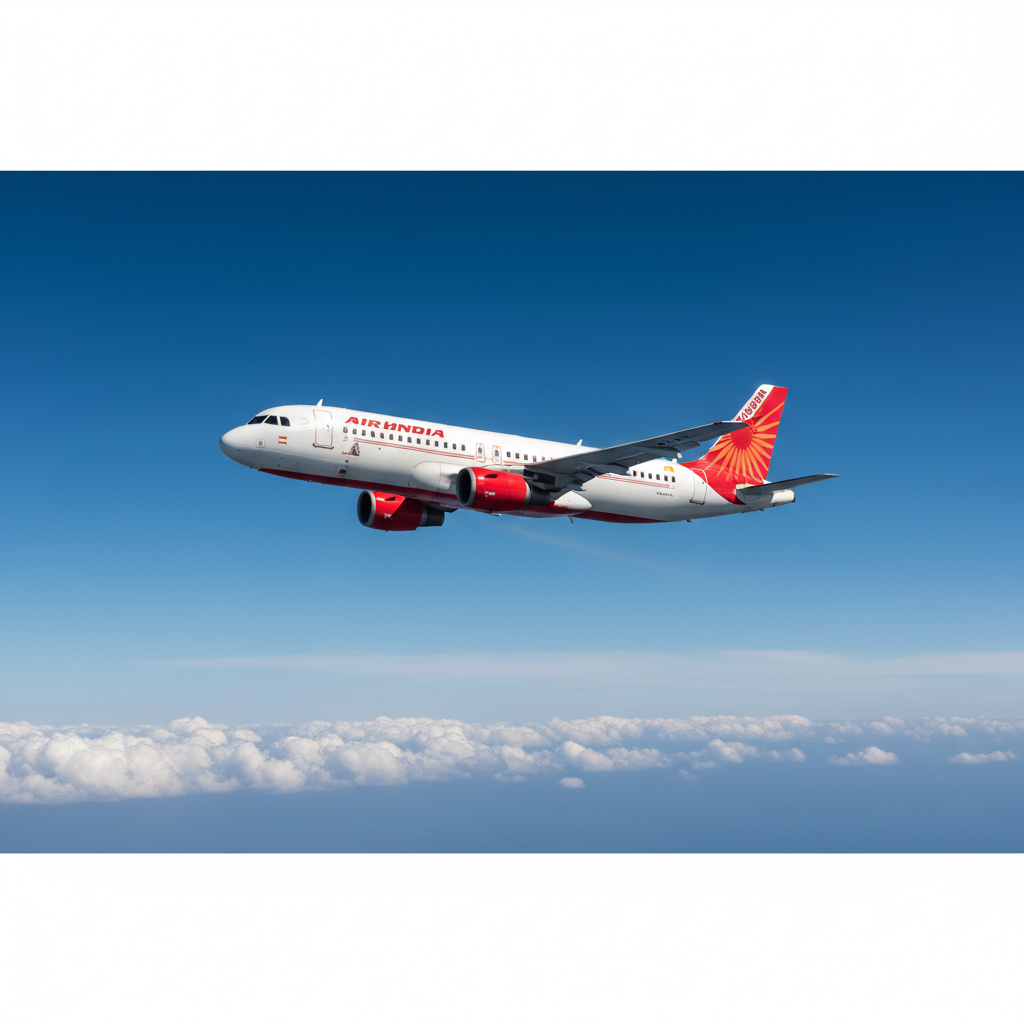
AIR INDIA HYDRAULIC FAILURE
Illustration concept: A modern Air India Airbus A320 commercial jet flying through clear skies, realistic dramatic lighting, high detail aviation photo.
AI summary
An Air India Airbus A320 experienced a temporary loss of vital flight controls during a recent flight, according to manufacturer findings. Technical data evaluated by Airbus revealed that all three onboard hydraulic systems suffered concurrent power losses.
Why this matters
Commercial airliners like the A320 rely on triple-redundant hydraulic systems to ensure pilot commands reach primary control surfaces. A simultaneous failure across all three circuits is an extraordinarily rare safety event that requires immediate technical scrutiny to protect global passenger fleets.
Key takeaways
- An Air India Airbus A320 briefly lost key flight control capabilities during operation.
- Airbus technical analysis revealed that all three independent hydraulic systems failed simultaneously.
- Modern A320 aircraft rely on triple hydraulic redundancy to guarantee flight control safety.
- Safety experts and engineers analyzed flight records to identify the cause of the triple pressure loss.
Technical evaluations conducted by aircraft manufacturer Airbus have confirmed that an Air India A320 jetliner experienced a rare and critical mechanical anomaly, suffering a concurrent loss of power across all three of its onboard hydraulic systems.
The system-wide hydraulic breakdown temporarily severely compromised the crew's ability to operate key flight controls, according to details derived from the manufacturer's technical assessment.
Reports from Express Tribune World indicate that safety engineers uncovered the issue while analyzing flight data recorders and mechanical logs following the incident. The findings highlight a scenario where the aircraft's primary safety redundancies failed to maintain continuous operational pressure.
Modern commercial passenger jets, including the Airbus A320 family, utilize three independent hydraulic circuits—typically designated as green, blue, and yellow—to move control surfaces such as elevators, rudders, and ailerons. The design is intended to prevent total system failure, as a single functional circuit is sufficient to maintain safe maneuvering capabilities.
A simultaneous pressure loss across all three networks represents one of the most serious technical challenges an aircrew can face in flight. Aviation authorities and technical teams routinely investigate such rare failures to determine whether software glitches, fluid leaks, or mechanical component fatigue triggered the concurrent disruption.
Frequently asked questions
- What happened to the Air India A320 aircraft?
- The aircraft experienced a temporary loss of essential flight controls after all three of its hydraulic systems suffered simultaneous failures.
- How did Airbus determine the cause of the flight control issue?
- Airbus conducted a technical analysis of flight data and system logs following the incident to identify the loss of pressure across the hydraulic circuits.
- Why is a triple hydraulic system failure significant?
- Commercial aircraft use three separate hydraulic systems so that if one or two fail, the remaining system can safely control the plane. Losing all three systems simultaneously is an extremely rare aviation safety event.
Source & transparency
- By:
- The Reviser Desk
- Source:
- Express Tribune World
- Original publication:
- Aug 14, 2026, 9:13 AM
- The Reviser publication:
- Aug 14, 2026, 9:13 AM
- Updated:
- Aug 14, 2026, 4:05 PM
This report was independently written by The Reviser editorial desk from verified source material. It is not original on-the-ground reporting by The Reviser.
Related stories
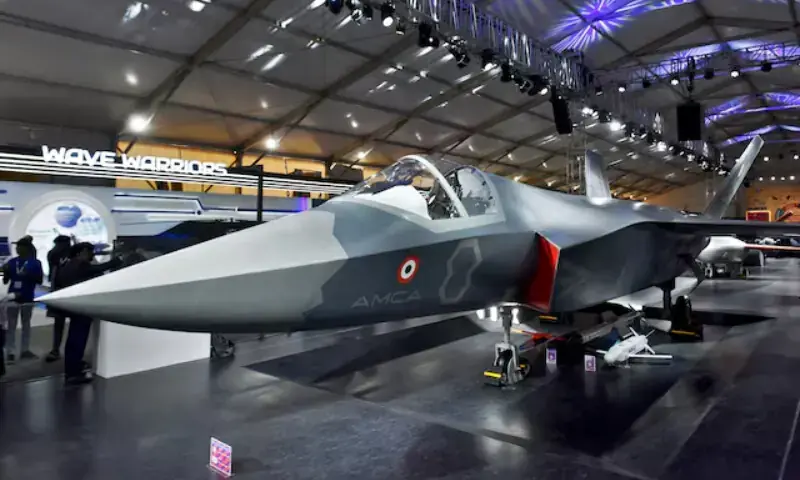
INDIA FIGHTER JET ENGINE DEAL
Rolls-Royce, Reliance Partner on Indian Fighter Jet Engines
AI summaryBritish engine manufacturer Rolls-Royce and Indian conglomerate Reliance Industries have announced a joint plan to design and manufacture engines for India's indigenous fighter jet initiative. The collaboration targets the country's Advanced Medium Combat Aircraft (AMCA) programme, though specific investment details remain undisclosed.

FLORIDA VOTERS LEAN GOP
Florida Cuban Americans Maintain Strong Republican Alignment
AI summaryAccording to recent polling highlighted by Al Jazeera, Cuban American voters in South Florida continue to align firmly with the Republican Party. This enduring political preference persists despite underlying concerns and frustrations regarding current immigration policies.

DRONE STRIKES HIT LOGISTICS HUBS
Kyiv Drones Hit Russian Oil Hub as Russia Strikes Ports
AI summaryUkrainian long-range drones targeted a Baltic oil hub and a warehouse close to Moscow in recent strikes. Simultaneously, Russian military attacks damaged Ukrainian railway networks and port facilities, according to reports from Al Jazeera.

FATAL TUNNEL LANDSLIDE IN INDIA
Landslide Triggers Fatal Tunnel Accident in Uttarakhand
AI summaryA devastating landslide in northern India's Uttarakhand state forced water and mud into a state-administered hydroelectric tunnel, leaving seven people dead. Emergency teams responded to the site after torrential debris inundated the underground facility.