ADI Chain and Shipfinex Partner on Ship Tokenization
Shipfinex and ADI Chain Join Forces to Tokenize Commercial Vessels
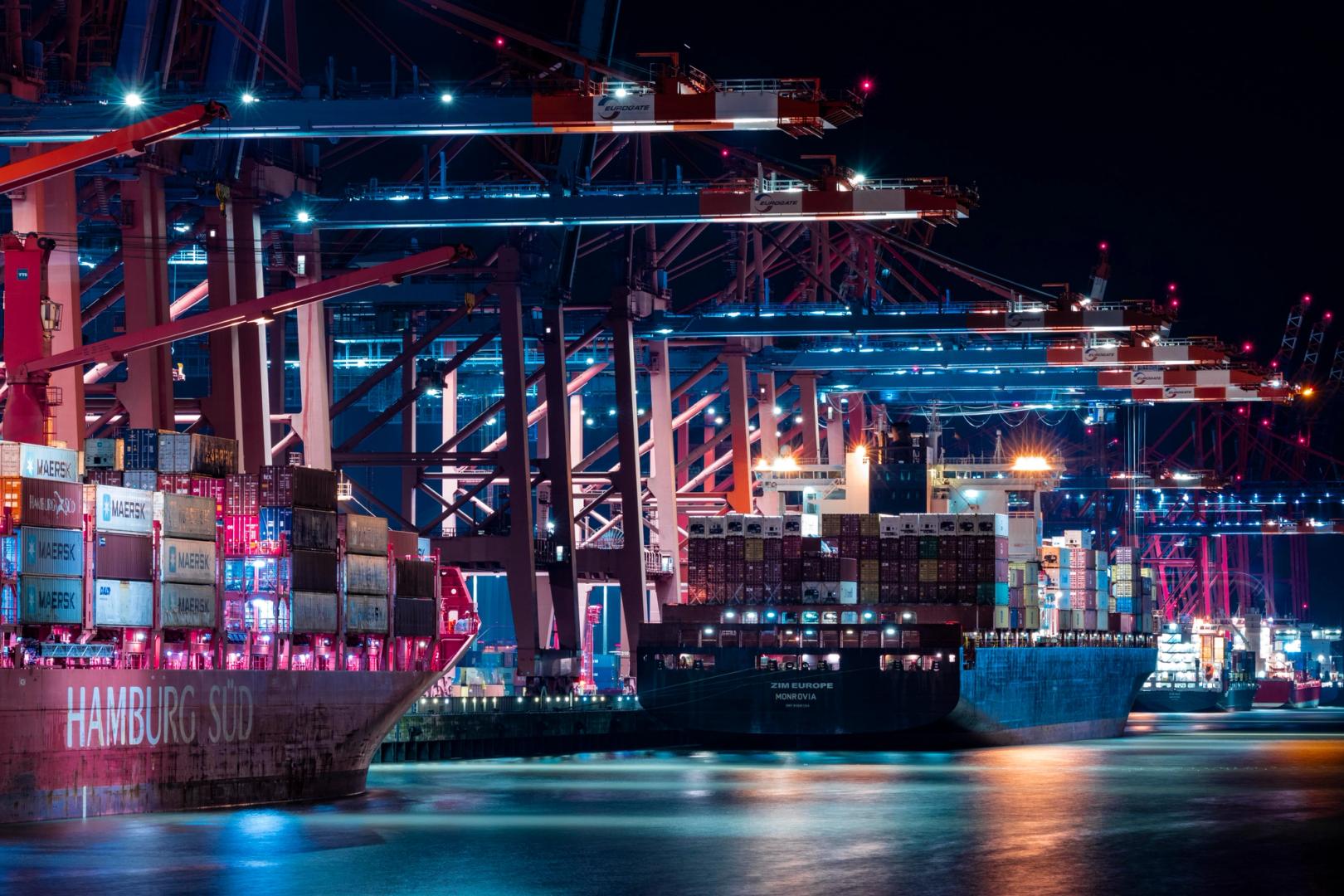
SHIPS ON BLOCKCHAIN
Illustration concept: A futuristic cargo ship sailing through ocean waves at twilight, overlaid with subtle glowing digital blockchain network connections and data nodes, high resolution, cinematic lighting, realistic style.
AI summary
Blockchain network ADI Chain and maritime fintech platform Shipfinex have formed a strategic partnership to tokenize commercial ships. The collaboration aims to democratize access to the $680 billion ship-financing sector by enabling broader investor participation through real-world asset tokenization.
Why this matters
Maritime financing has historically been dominated by large institutional banks and private equity firms, creating high barriers to entry for smaller investors. By converting ownership and financing claims of commercial vessels into digital tokens on a blockchain network, this initiative could inject fresh liquidity into global shipping logistics. Additionally, it highlights the growing trend of bringing real-world assets (RWAs) onto decentralized rails to streamline capital raising in traditional industries.
Key takeaways
- ADI Chain and Shipfinex have partnered to bring commercial ship tokenization to the maritime industry.
- The initiative aims to expand capital access within the $680 billion global ship-financing market.
- Tokenized vessel assets allow fractionalized ownership and alternative funding routes beyond institutional banking.
- The partnership represents a growing integration of real-world assets (RWAs) with blockchain infrastructure.
A new alliance between ADI Chain and maritime platform Shipfinex aims to modernize how commercial shipping operations secure funding by leveraging blockchain technology. According to reports from CoinDesk, the two entities are collaborating to tokenize merchant vessels, targeting the massive ship-financing arena.
By bringing maritime assets on-chain, the partnership seeks to fractionalize vessel ownership and vessel-backed debt. This approach enables a significantly wider range of capital providers to participate in maritime deals that were previously limited to major institutional players.
The global ship-finance sector, estimated at $680 billion, has long relied on traditional banking syndicates and specialized maritime lenders. Tokenization provides an alternative infrastructure that reduces friction, speeds up settlement times, and enhances transparency across capital deployment.
Through ADI Chain's infrastructure and Shipfinex's specialized maritime asset platform, the collaboration plans to offer tokenized financial instruments tied to real-world commercial shipping fleets. This development reflects a broader movement within the cryptocurrency ecosystem toward tokenizing real-world assets to bridge decentralized finance with traditional international trade.
Frequently asked questions
- What is ship tokenization?
- Ship tokenization is the process of representing ownership stakes, revenue shares, or debt obligations of commercial vessels as digital tokens on a blockchain network.
- Which companies are involved in this partnership?
- The partnership involves ADI Chain, a blockchain infrastructure provider, and Shipfinex, a platform specializing in maritime asset tokenization, as reported by CoinDesk.
- How large is the ship-financing market targeted by ADI Chain and Shipfinex?
- The collaboration targets the global ship-finance market, which is valued at approximately $680 billion.
Source & transparency
- By:
- The Reviser Desk
- Source:
- CoinDesk
- Original publication:
- Aug 11, 2026, 7:19 AM
- The Reviser publication:
- Aug 11, 2026, 7:19 AM
- Updated:
- Aug 11, 2026, 7:31 AM
This report was independently written by The Reviser editorial desk from verified source material. It is not original on-the-ground reporting by The Reviser.
Related stories

BIP 110 FORK FAILS
BIP-110 Bitcoin Fork Trails Main Chain by Over 300 Blocks
AI summaryThe newly created BIP-110 hard fork has struggled to gain traction after splitting from Bitcoin on Saturday, mining just two blocks. Meanwhile, the original Bitcoin blockchain has processed over 300 blocks during the same timeframe, highlighting a dramatic gap in network support.
MASTERCARD BUYS BVNK $1.8B
Mastercard to Acquire Stablecoin Firm BVNK for $1.8 Billion
AI summaryEarly venture investor Concentric has revealed details behind stablecoin firm BVNK's path to an acquisition deal with Mastercard. The transaction values the cryptocurrency infrastructure provider at $1.8 billion.
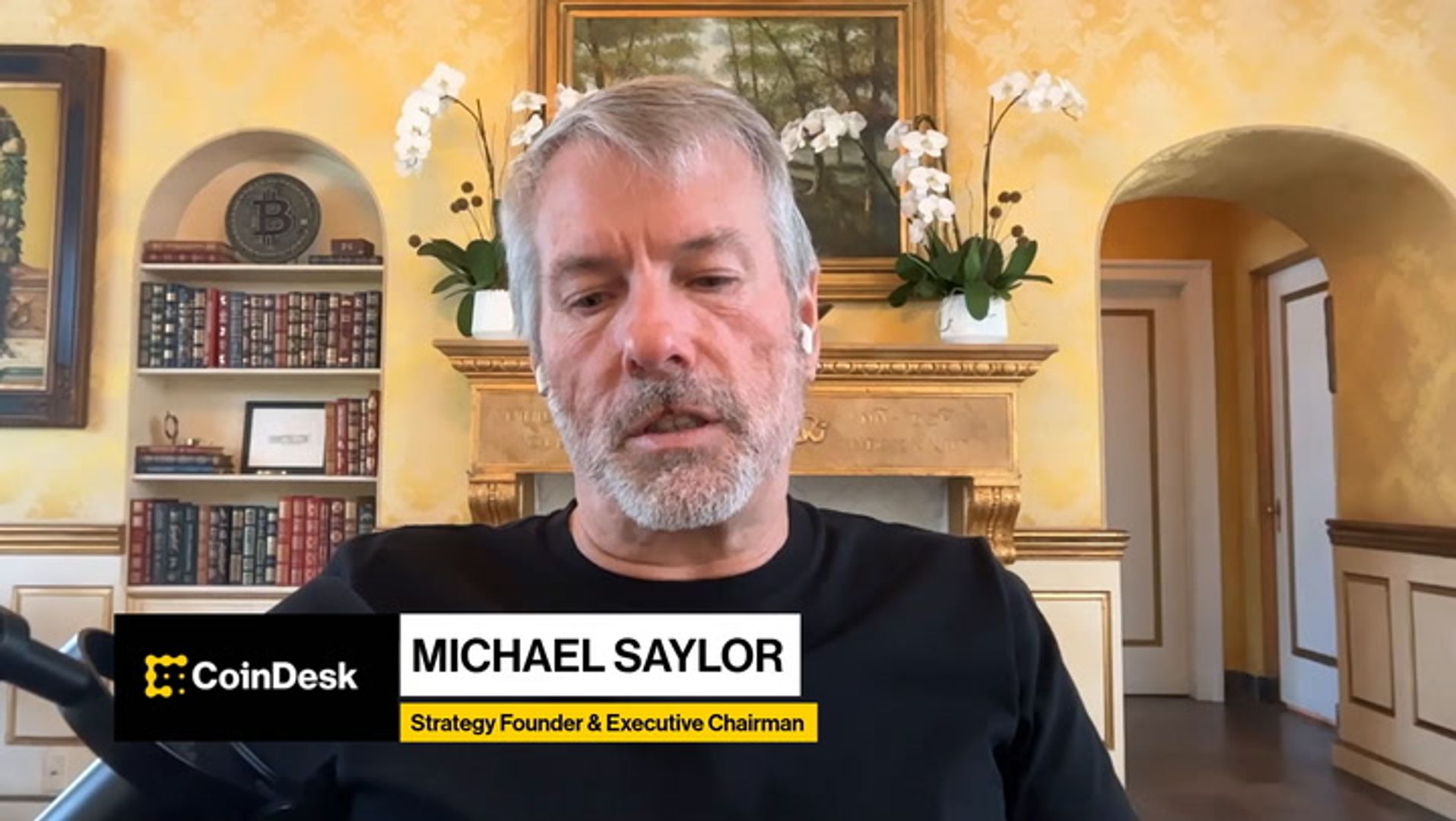
STRATEGY SELLS BITCOIN RESERVE
Strategy Offloads 1,690 Bitcoin to Boost Cash Reserves
AI summaryAccording to reports from CoinDesk, Strategy raised $653 million through equity sales while liquidating 1,690 bitcoin from its treasury. The dual transaction boosted the company's cash holdings to $4.65 billion while bringing its total cryptocurrency reserves to 840,447 BTC.

BTCPAY SERVER HACKED
BTCPay Offers 3 BTC Bounty Following Lightning Server Exploit
AI summaryOpen-source bitcoin payment processor BTCPay Server is offering up to 3 BTC to recover funds lost in a recent security exploit. The breach occurred last week after attackers compromised LND credentials to drain merchants' Lightning Network wallets.